



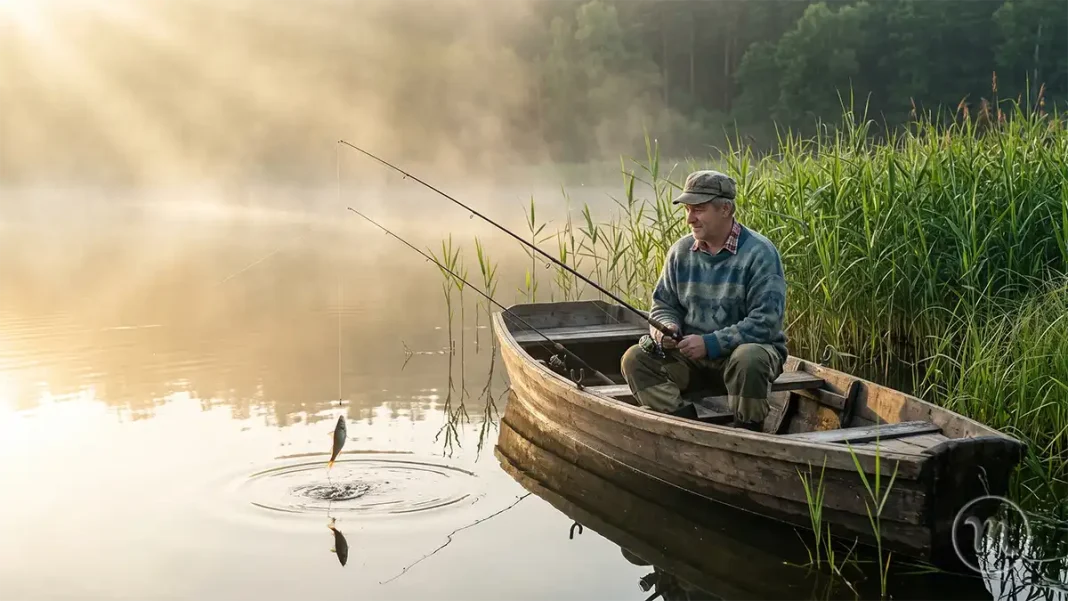
- • How the waning and waxing lunar phases determine the precise activity levels of underwater life.
- • The hidden sweet spots where predators and peaceful fish seek shelter during the sweltering midday lull.
- • Plant-based vs. live bait: the irresistible treats that lure crucian carp, common carp, and catfish on July days.
- • Pro-level hacks to guarantee an ideal catch even when lakes and rivers start to experience heavy algae blooms.
Read in another language:
July is notoriously one of the trickiest months of the year to land a decent catch. The blazing heat, plummeting oxygen levels, and increasingly moody behavior of fish can easily ruin your day on the water. I dived deep into this topic and noticed that an angler’s success during this challenging period relies on a delicate balance between nature’s whims and astronomical energy. When the sun beats down mercilessly, conventional methods often fail, forcing us to rethink our strategy and find smarter, more sophisticated approaches to our favorite hobby, reports MODISTA.
As one of the hottest months of the summer, July directly dictates how fish behave. Thanks to skyrocketing water temperatures, many species pull a disappearing act during the day, meaning the best time to see action is during the cool early morning, evening twilight, or late-night hours. I’ve always been fascinated by how delicately the underwater world reacts to the slightest atmospheric shifts, turning every single trip to the river or lake into a true intellectual chess match.
During this intense stretch, it’s not just the weather conditions you need to watch—lunar phases play a massive role too. That’s exactly why so many seasoned anglers rely heavily on a fishing lunar calendar when mapping out their trips. I’ve analyzed the movements of the night sky to map out a comprehensive fishing calendar for July 2026, pinpointing the most promising and toughest days to hit the water so you never have to come home empty-handed.
for July 2026
Midsummer Lunar Guide: How the Moon’s Phases Control Your Catch
The first two weeks of the month will be dominated by a waning moon, stretching from July 1 to July 13. This phase is going to be a bit of a rollercoaster, serving up a mix of highly productive days alongside some seriously sluggish lulls. Biologists often point out that a waning energy cycle prompts fish to be far more cautious, meaning your tackle needs to be as subtle and delicate as possible to avoid spooking them.
Підписуйтесь, щоб не пропустити нічого цікавого! | Follow us so you don't miss anything interesting! | Subskrybuj, aby nie przegapić niczego ciekawego!
On July 14, the new moon takes over. Historically, this specific day is known as a dead zone for fishing. Logically speaking, the lack of moonlight disrupts the typical nighttime feeding cycles of several species—especially nocturnal predators—rendering them passive and completely indifferent to whatever bait you throw their way.
Right after that, the waxing moon takes center stage from July 15 to July 28. If you’re looking for prime time, this is it, as it holds the highest concentration of good and excellent action days. The daily energy is practically bursting, driving underwater residents to feed aggressively, which means your chances of hooking a trophy-sized specimen skyrocket.
A striking full moon arrives on July 29, before the moon slips back into a waning phase. It’s a magical sight when the water shimmers like silver under the night sky, but don’t let it fool you—the fish can become incredibly unpredictable during this transition.
- Peak Action Days: July 3, 4, 17–22.
- Solid Days: July 5–7, 16, 23, 24.
- Slow Lulls: July 2, 8–11, 25, 26, 31.
- Dead Days: July 1, 12–15, 27–30.
Cracking the Bait Code: What’s on the Menu for July 2026
In the dead of summer, fish desperately avoid overheated, shallow areas, choosing instead to drop into deeper pools, heavily shaded spots, or thick underwater weed beds. Because of this, your ultimate windows for success are dawn, dusk, and the middle of the night. Sounds familiar? If so, you already know there’s nothing quite like watching the summer sun rise over a glassy lake with a rod in hand.
The Double Threat: How Weather and the Moon Align
While the lunar cycles give you a baseline, the immediate weather conditions in July carry just as much weight. For the best odds, plan around:
- Early mornings before the heat spikes;
- Late evenings as temperatures cool down;
- Overnight sessions;
- Overcast, drizzly days.
When the heat gets intense, fish head straight for deep pockets where temperatures remain stable. It actually works! Don’t waste your energy hunting for a monster catch in the shallows at noon.
Having a versatile bait selection is key this month, with both live bait and plant-based options delivering results. Smart anglers lean on classic earthworms, maggots, and insect larvae, alongside sweet corn, pearl barley, dough, mastyrka, and bread. One of the best seasonal secrets? Grasshoppers. They are incredibly easy to catch along the banks right now. Boom! Pop one on your hook, and chub or ide will be hitting your line in no time.
You can count on steady action from grass carp, crucian carp, common carp, and catfish. Bream, perch, roach, and silver carp also show great activity. On the flip side, northern pike tend to get incredibly lethargic in the July heat, usually only striking during the absolute coldest moments of early morning or late evening. Cool-water favorites like trout and whitefish are much harder to trick right now since they absolutely crave chilly depths.
Keep a close eye on water quality, too. The soaring midsummer heat frequently triggers heavy algae blooms, transforming pristine waters into a thick green soup. This drop in water quality can make fish sluggish and completely kill the bite. Here’s the ultimate workaround: when dealing with an algae bloom, switch to baits packed with strong, sharp scents like garlic, dill, or anise to cut through the muck and grab their attention.
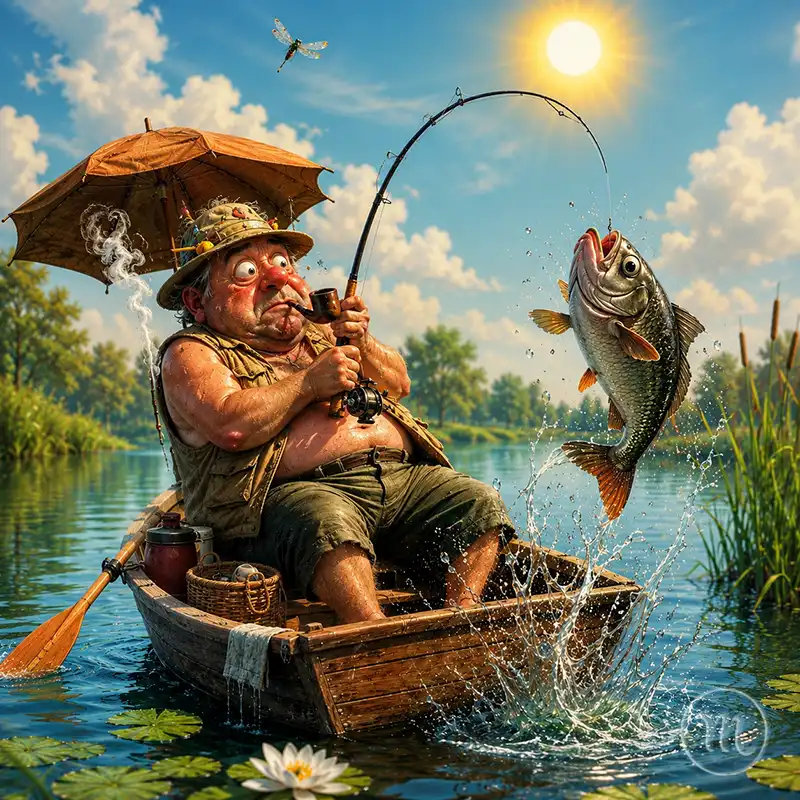
Beat the Heat: Where Fish Seek Shelter from the Sun
When the summer sun gets brutal, fish behavior becomes highly predictable if you think about it logically:
- Predators hug the deepest drop-offs and underwater trenches;
- Crucian carp move into shallower zones, but only if they can find dense shade under heavy reeds;
- Perch suspend in the middle columns, clustering around submerged logs and brush piles;
- Common carp patrol moving current lines where oxygen levels are much higher.
Location will always beat out bait choice. I constantly see rookies sitting on wide-open, sun-baked banks for hours waiting for a miracle. Save your time and move to where the fish actually are.
Expert Tips for a Successful Catch in July
To maximize your chances of a great haul, my top tip is to stick to these simple, time-tested rules:
- Downsize to light, ultra-sensitive tackle; clear summer water means thick lines will spook fish instantly;
- Focus your efforts entirely on dawn or dusk when the water completely comes alive;
- Tailor your bait choices precisely to your target species and don’t be afraid to keep experimenting;
- Steer clear of stagnant, overheated water during midday; hunt out underwater springs or incoming creek mouths instead;
- Play around with your depth settings constantly, raising or dropping your presentation until you find the strike zone.
At the end of the day, remember that a lunar calendar is just a framework. Real-world elements like sudden temperature shifts, barometric pressure, wind direction, rainfall, and the specific quirks of your local body of water will always have the final say. Head out with a positive mindset, pay attention to the water, and a little bit of outdoor magic will eventually give you an unforgettable win!
Advice from MODISTA
- Never hit the water without packing a few different scent attractants—July fish can completely switch up their flavor preferences every two hours.
- Keep a close eye on the wind: northern and eastern breezes in July tend to shut down the bite completely, while a steady western or southern wind brings a welcome burst of activity.
- When night fishing, utilize glow-in-the-dark floats or snap lights, but avoid throwing bright, direct flashlight beams onto the water, which will instantly scatter big fish in the shallows.
Have you noticed a shift in your weekend catches depending on the moon? Bookmark this lunar guide so you always know the absolute best time to head out, or share these hacks with your significant other or favorite fishing buddies!
MODISTA Daily MODISTA Daily MODISTA Daily
ℹ️ REFERENCE
An angler’s lunar calendar is built upon generations of close observations tracking animal biorhythms and how they shift based on the gravitational pull of the moon. For a deeper scientific dive into how lunar cycles alter Earth’s biosphere and wildlife patterns, you can check out the comprehensive breakdowns available on the popular online encyclopedia 🌐, which maps out these celestial cycles in full detail.