



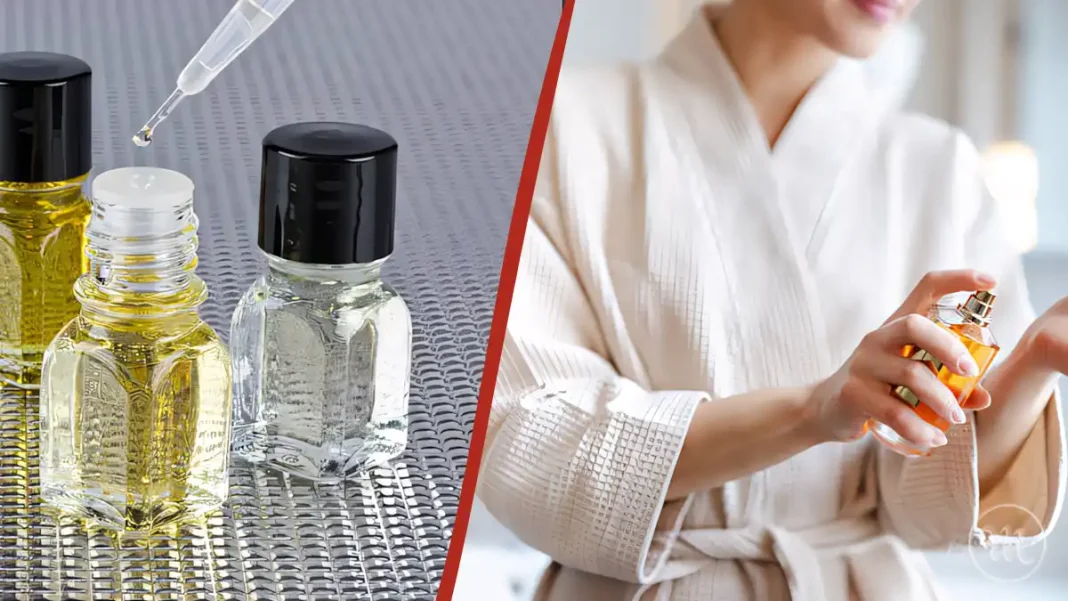
- • The safety secret: why raw concentrates are strictly off-limits and how to pick the perfect gentle base.
- • The botanical scent map: a deep dive into the trendiest oils, from energizing sweet orange to sultry patchouli.
- • Beginner masterclass: a step-by-step guide to blending your own winter signature scent using the classic three-tier pyramid.
Read in another language:
The idea of swapping out your signature glass spray bottles for rich, slow-burning essential oils has crossed every modern woman’s mind at least once. Let’s be real—there’s a gorgeous, primal aesthetic to it, tapping into that craving for absolute purity and a closer connection to nature. But the world of natural perfumery is beautifully complex and not as simple as it looks. It comes with its own strict rules, professional scent vocabulary, and diffusion laws that you need to master before turning your vanity into a chic secret laboratory, reports MODISTA.
Splurging on a high-end, luxury perfume from global design houses is an unmatched joy for true beauty editors and niche fragrance connoisseurs. A complex olfactory masterpiece is usually a delicate blend of dozens of natural extracts or high-tech synthetic aroma chemicals suspended in an alcohol base. The scent itself unfolds through a classic pyramid structure: volatile top notes, defining heart notes, and deep, lingering base notes. Yet, even the most dedicated fans of selective perfumery can’t help but fall for the clean, intoxicating charm of pure plant extracts. Let’s dive deep into whether essential oils can truly replace your go-to perfume, how to avoid common shopping blunders, and how to mix your own unforgettable signature scent.
The Art of Botanical Selection: How to Find Your Ultimate Natural Extract
The aromatic compounds carefully extracted from delicate flower petals, lush leaves, exotic fruits, and tree bark offer way more than just a heavenly scent. They’ve been celebrated for centuries for their powerful mood-boosting and skin-loving benefits. So, it’s no surprise that the urge to cut out complex chemicals and find a clean, plant-based alternative is currently taking over the beauty industry. While it feels like an effortless wellness ritual, going natural requires knowing a few critical steps to prevent your beauty experiment from falling flat.
First, keep in mind that the essential oil market is flooded with cheap, synthetic knockoffs. These counterfeits cost a fraction of the price of authentic, raw extracts. This is especially true for premium ingredients that are naturally pricey due to labor-intensive harvesting and distillation processes—like Damask rose or jasmine. The scent profile of an artificial copycat simply can’t compete with the real deal, which boasts a multi-layered, rich, and sophisticated evolution when warmed by your skin. The safest route is to find a reputable manufacturer with international organic certifications and stick to trusted wellness brands.
Підписуйтесь, щоб не пропустити нічого цікавого! | Follow us so you don't miss anything interesting! | Subskrybuj, aby nie przegapić niczego ciekawego!
Second, every plant essence carries its own unique botanical properties and can trigger a noticeable physical response in your body. Picking an oil solely because you love the smell without researching its effects is a major rookie mistake. Third, because these natural oils are incredibly concentrated, applying them raw and undiluted directly onto your pulse points can trigger instant skin reactions, redness, and severe irritation. That’s why you always need to dissolve them in a lightweight carrier oil. Liquid textures like grape seed, sweet almond, or apricot kernel oil work beautifully. And don’t forget to run a quick patch test on your inner elbow first. One last thing to keep in mind: oil stains. Rich, heavy textures can ruin delicate fabrics, so precise, minimalist application is key.
Olfactory Solo vs. Complex Blends: The Best Botanical Notes to Know Now
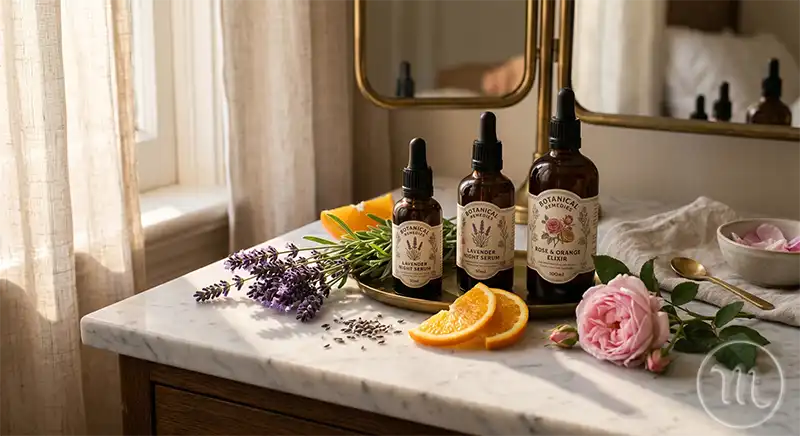
If you’re ready to embrace the process and want to use a single, distinct botanical note as your daily signature scent, let’s break down the ultimate mono-options. This curated list is just the tip of the iceberg, as the world of natural perfumery is an endless playground worth exploring.
- Sweet Orange Oil. A vibrant burst of juicy, sparkling citrus. It instantly lifts your mood, beats afternoon brain fog, and is even known to help soothe tension headaches.
- Jasmine Absolute. An incredibly romantic, sultry floral. This heavy hitter melts away the stress of a long day, invites total relaxation, and acts as an absolute magnet for compliments.
- Lavender Oil. A rich, deep, and beautifully familiar herbaceous note. Known for its intense calming properties, it helps you unwind, wraps you in comfort, and works like a charm for a moody evening vibe.
- Damask Rose Oil. The epitome of timeless femininity and old-school beauty. It delivers excellent longevity and a majestic, royal sillage that tones the skin and restores inner harmony.
- Ylang-Ylang Oil. A deeply sweet, exotic floral nectar that captures the sun-drenched warmth of distant tropics. It’s a famous natural aphrodisiac that grounds the nervous system beautifully.
- Cinnamon Bark Oil. A warm, cozy, spicy-sweet aroma with a comforting, gourmand edge. It sparks inner energy, boosts confidence, and adds a playful, magnetic allure.
- Lemon Verbena Oil. A super crisp, cooling, lemony infusion. It’s fantastic for sharpening focus, tuning into your intuition, and getting your creative juices flowing.
- Patchouli Oil. A spicy, deep, earthy-woody fragrance with a rich, velvety undertone. It offers phenomenal staying power and shines as a classic unisex favorite, smelling equally captivating on anyone. It instantly centers your thoughts.
The easiest way to use your custom blend is to pour it into a chic glass rollerball bottle. That said, nothing stops you from using a vintage apothecary vial with a glass stopper, dabbing the elixir gently onto your skin with your fingertips. To elevate the whole experience, design some minimalist, high-end labels for your bottles inspired by your favorite luxury fragrance houses.
Secrets of the Home Fragrance Lab: How to Blend a Bespoke Essential Oil Perfume
For anyone eager to step into the shoes of a master perfumer and move past single-note scents, this DIY experiment is for you. You can try our foolproof, cozy winter-spiced blend or trust your intuition and build a custom elixir that is entirely your own.
Ingredients for Your Signature Scent:
- Light carrier oil (sweet almond or grape seed) — 10-15 ml;
- Cinnamon essential oil (base note) — 15 drops;
- Lavender essential oil (heart note) — 15 drops;
- Sweet orange essential oil (top note) — 15 drops;
- Vitamin E oil (natural preservative) — 1 capsule.
Step-by-Step Blending Guide:
- Start with a completely clean, bone-dry glass bottle and measure out your carrier oil. Keep this golden rule in mind: the higher the ratio of your carrier base, the more sheer and delicate your final perfume will be.
- Next, drop in your heavy, grounded base note—this anchors the fragrance and determines how long it stays on your skin. We’re using cozy cinnamon, but for future creations, cedarwood, rich jasmine, opulent rose, sweet vanilla, or clove make fantastic foundational anchors.
- Now, add your heart note (the middle layer). This will bloom on your skin about 15 to 20 minutes after application, tying the whole scent story together. We’re using calming lavender, but sophisticated geranium, crisp juniper, herbaceous rosemary, or warm nutmeg are gorgeous alternatives.
- Time for the effervescent top note—this is the initial burst of fragrance that greets you in the first few seconds. Our pick is sunny sweet orange. Bright eucalyptus, bitter grapefruit, zesty lemon, crisp peppermint, or clary sage also fit this slot beautifully.
- To preserve your masterpiece, add a natural stabilizer. Carefully pierce a vitamin E capsule, squeeze the contents into the blend, and give the bottle a thorough, gentle shake.
- Store your finished elixir in a cool, dark corner. Remember, real oil-based perfumes need time to “cure.” The true depth, complexity, and beauty of your blend will fully develop after a few days once the molecules have perfectly melded together.
Advice from MODISTA
- Always opt for dark amber or opaque glass containers to store your creations, as UV light quickly degrades delicate natural compounds.
- Never rub your wrists together after applying an oil-based perfume—it’s a major faux pas that “bruises” the volatile top notes and ruins the planned fragrance evolution.
- For maximum longevity, apply your custom oil blends onto damp skin straight out of the shower, focusing on your pulse points: behind the ears, the collarbones, and the inner elbows.
Have you ever experimented with making your own custom scents at home, or do you have a holy grail essential oil that completely replaces your luxury perfume? Share this guide and our cozy winter recipe with your style-conscious bestie who needs a little creative inspiration today!
MODISTA Daily MODISTA Daily MODISTA Daily
ℹ️ REFERENCE
Essential oils are highly concentrated, volatile aromatic compounds extracted from plant materials using steam distillation, cold-pressing, or solvent extraction. Unlike heavy, fatty vegetable oils, they completely evaporate at room temperature without leaving a greasy residue when properly diluted. They play a vital role in fine perfumery, high-end cosmetics, and professional aromatherapy. To discover more about the chemical makeup and history of botanical extraction, explore the free encyclopedia. 🌐