



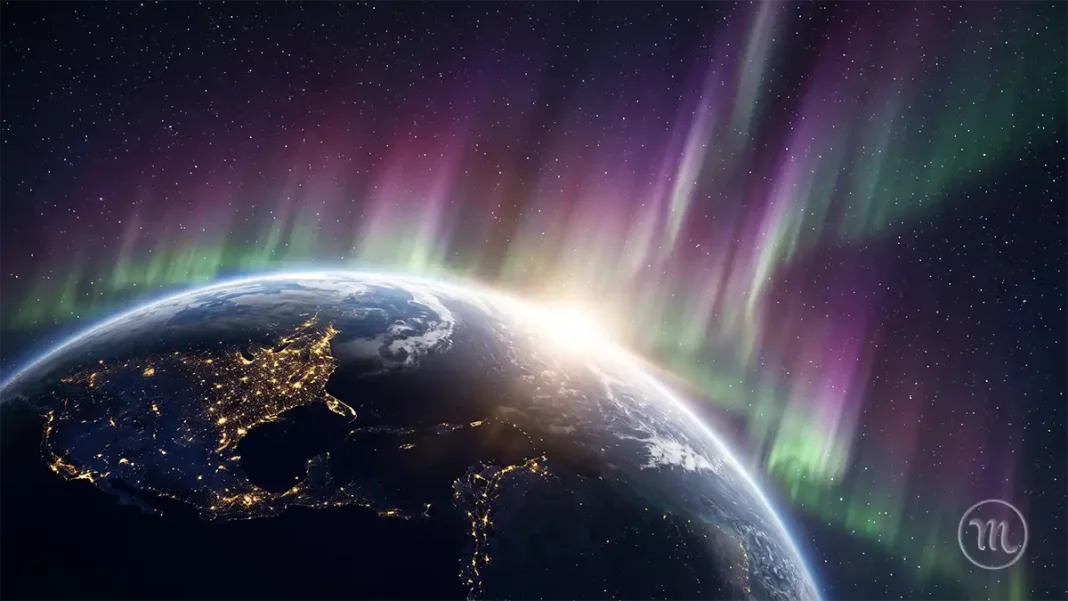
- • Late-summer space weather: August 2026 brings a series of intense solar flares lasting several consecutive days.
- • Cardiovascular risks: Your vascular system takes the hardest hit, making sudden blood pressure spikes and severe headaches top warning signs.
- • Lunar impact: Beyond solar activity, wellness levels will shift around the New Moon (Aug 12) and Full Moon (Aug 28).
- • Simple prevention steps: Plain water, lighter meals, and essential minerals offer far better relief than popping endless painkillers.
Read in another language:
When I first started diving deep into weather sensitivity, the rigid skepticism from some doctors really surprised me. They argued that because it isn’t listed as an official disease in medical handbooks, there’s nothing to complain about. But ask anyone dealing with hypertension who feels their temples throbbing 24 hours before a major solar flare hits. The numbers don’t lie: emergency calls for heart rhythm issues jump by nearly a third during solar disturbances, reports MODISTA.
August 2026 is shaping up to be quite intense in terms of space weather. Astrophysicists warn that the end of summer traditionally triggers heightened solar activity. The solar wind doesn’t just breach Earth’s magnetosphere—it pushes our bodies to their absolute limits. Let’s skip the panic, look at the science, and figure out how to protect your blood vessels over the coming weeks.
What Really Happens During a Geomagnetic Storm
Geomagnetic disturbances are essentially massive space reactions triggered when solar flares release plasma that destabilizes Earth’s electromagnetic field. Sensitive electronics react first with GPS glitches and radio static, but the human body—also a complex electrochemical system—feels the shift too as blood viscosity increases, capillary flow slows down, and tissues experience temporary oxygen deprivation.
It’s true that standard medical manuals don’t recognize weather sensitivity as a standalone disease. However, top cardiologists agree that the body responds to how quickly external conditions shift. While some people have super flexible blood vessels that adjust in seconds, others face a really tough transition.
Підписуйтесь, щоб не пропустити нічого цікавого! | Follow us so you don't miss anything interesting! | Subskrybuj, aby nie przegapić niczego ciekawego!
Symptoms You Shouldn’t Ignore:
- Throbbing or tight headaches that regular pain relievers can’t seem to touch;
- Sudden blood pressure spikes and a racing heartbeat;
- Unexplained anxiety, irritability, sudden mood swings, or brain fog;
- Heavy daytime fatigue paired with frustrating night insomnia;
- Aching joints or discomfort around old injuries and surgical scars;
- Overall physical exhaustion, where basic walking feels like hard labor.
If you notice at least three of these signs whenever forecasters announce space weather alerts, don’t just wait it out on the couch. It’s a great reason to schedule a quick check-in with your doctor.
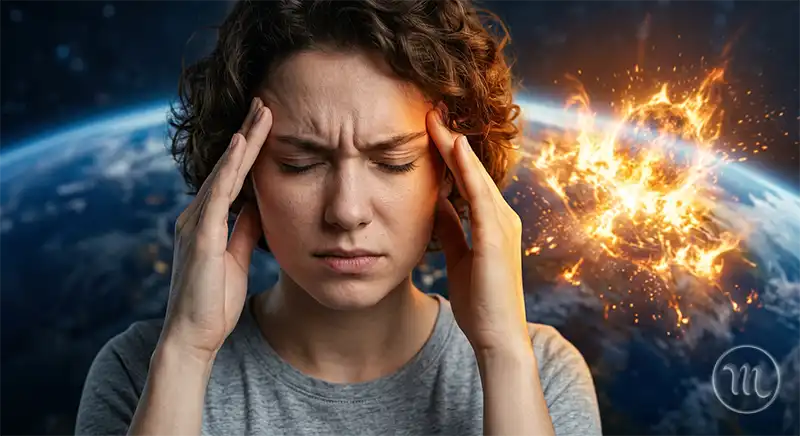
Magnetic Storm Calendar for August 2026
Long-term space weather predictions are always based on probabilities because solar flares are unpredictable and storm dates can shift by a day or two. Still, the overall forecast for August 2026 is clear: cosmic conditions won’t be giving us a total free pass this month.
| Days of the Month | Storm Intensity | Recommendations & Health Impact |
|---|---|---|
| August 3–4, 9, 12 & 31 | 🟡 Moderate | Geomagnetic shifts will be noticeable for sensitive individuals. Expect potential headaches, blood pressure changes, and cold-like fatigue. Keep doctor-prescribed meds handy. Healthy individuals face minimal health risks during these windows. |
| August 18–19, 25–28 | 🔴 Severe | These represent the most high-risk days of the month. Intense solar spikes can affect anyone, even without prior weather sensitivity. Experts suggest skipping crowded spaces and cutting back on heavy physical or emotional exertion. |
The real issue with August is how long these solar disturbances stretch out. When space weather stays erratic for several consecutive days, your body’s reserves drain, leaving even resilient people feeling exhausted by month’s end.
Survival Guide: How to Prep Your Body for Solar Flares
We can’t stop cosmic events—who knows what wild surprises the Sun has lined up next! But we can definitely prep our bodies to glide through these rough patches without major health setbacks.
Now that we’ve covered the astrophysics, let’s get straight to practical steps so you don’t spend the week nursing a pounding head.
1. Adjust Your Diet 24 Hours Before
During geomagnetic disturbances, your digestive system gets reduced blood flow. Skip heavy, greasy meals, smoked meats, and salty foods. Excess sodium causes fluid retention, straining blood vessels and driving up blood pressure. Instead, load up on magnesium and potassium-rich options like bananas, nuts, baked potatoes, and fresh summer greens.
2. Drink Water, Not Extra Coffee
Chugging espresso when your head feels heavy is a total trap. Caffeine narrows blood vessels even more, sending your pulse into overdrive. Swap coffee for plain water, herbal peppermint or lemon balm tea, and natural fruit infusions. Staying hydrated thins the blood and takes pressure off your heart.
3. Scale Back Intense Workouts
Heavy lifting, intense HIIT workouts, or running in the summer heat during a solar storm is a fast track to a hypertensive flare-up. Swap heavy weights for a relaxing evening walk in the park or light stretching indoors.
4. Fix Your Sleep Routine
Sleeping from 10 PM to 6 AM is the best free medicine for your vascular health. Put your smartphone away an hour before bed—blue screen light blocks melatonin production, which is already disrupted during solar swings.

Additional Unfavorable Days: Lunar Influences
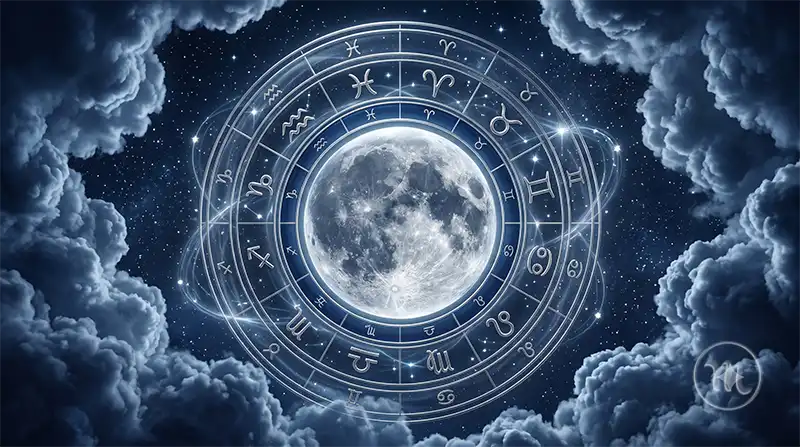
The Sun isn’t the only cosmic force affecting wellness; the Moon exerts powerful gravitational and biological influences on body fluids. When key moon phases line up with solar flare activity, it creates a double whammy for your system.
Keep an eye on these specific dates:
- New Moon (August 12): A point of low energy reserves. Blood circulation slows down, apathy sets in, and blood pressure can drop significantly. Avoid scheduling major deals or heavy labor today.
- Full Moon (August 28): High energy that’s tough to manage. Insomnia spikes, tempers flare, and everyday conflicts or minor accidents become more common. Keep things calm and low-key.
- First & Third Quarters (August 6 & 20): Days marked by emotional friction. You might feel internal tension where minor annoyances easily trigger frustration.
- Low Energy Days (August 6, 12, 20, 21, and 27): Times when your natural adaptation systems dip. The best approach is to minimize stress and avoid overworking.
The Bottom Line
August 2026 brings geomagnetic disturbances of varying lengths and intensities that can affect overall health. Following expert recommendations will help cushion the impact, protect your cardiovascular system, and keep wellness levels steady.
MY OPINION:
Testing out different routines during late-summer geomagnetic events taught me one clear lesson: there’s no magic pill for weather sensitivity. Simply trading coffee for mint tea and taking a quiet evening walk actually knocks out up to 80% of discomfort without needing extra meds. Trust me, staying calm and slowing down on high-risk days lets your body coast through solar events completely pain-free.
Advice from MODISTA
- Keep a daily symptom log to track headaches against solar flare alerts—this helps pinpoint your personal sensitivity threshold over time.
- Keep only doctor-prescribed medications in your first-aid kit, and never start taking sedatives or vascular drugs based on casual advice.
- Avoid prolonged direct sun exposure during peak solar activity windows, as sharp temperature contrasts worsen vascular spasms.
How do you handle space weather changes late in the summer? Do you feel solar flares coming in advance, or do you think weather sensitivity is mostly mental? Share this guide with friends and family who deal with blood pressure swings—these quick tips might save them from a rough afternoon!
MODISTA Daily MODISTA Daily MODISTA Daily
ℹ️ REFERENCE
A geomagnetic storm is a rapid disturbance in Earth’s magnetic field caused by interactions between solar wind and our planet’s magnetosphere. Scientists measure storm intensity using the K-index scale (ranging from 1 to 9). Research shows that people with underlying cardiovascular conditions experience the strongest impact during geomagnetic activity. Learn more about solar physics and astrophysical observations on Wikipedia 🌐.