
- •Secret technique: How strategically placed clips create lifting without heat damage.
- •Tool selection: Why metal is better for fine strands, while plastic works for heavy curls.
- •Anatomy of volume: How your face shape affects the clip placement pattern.
- •Warnings: Who should avoid this technique to prevent ruining their natural texture.
Every curly girl knows the struggle: getting volume at the roots is a major challenge. Often, curls become flat on top under their own weight, losing that coveted bounce. Today, I’m revealing the secret technique that’s blown up on TikTok and become a go-to for professional stylists.
Adding volume to your hair isn’t exactly rocket science, but for many of us, the process is trickier than it looks. That’s where TikTok comes in—the app where hair experts and beauty enthusiasts offer a goldmine of knowledge, hacks, and solutions for every hair woe, packed into short, snappy videos. The latest viral trend, known as root clipping, is a clever and easy way to help wavy and curly-haired girls boost volume without damaging their strands or overhauling their routine.
Today, with the help of leading celebrity stylists, we’re breaking down this trend. We’ll look at what it is, how to start practicing the technique, and who should probably skip it to avoid messing with their natural texture.
What Is Root Clipping?
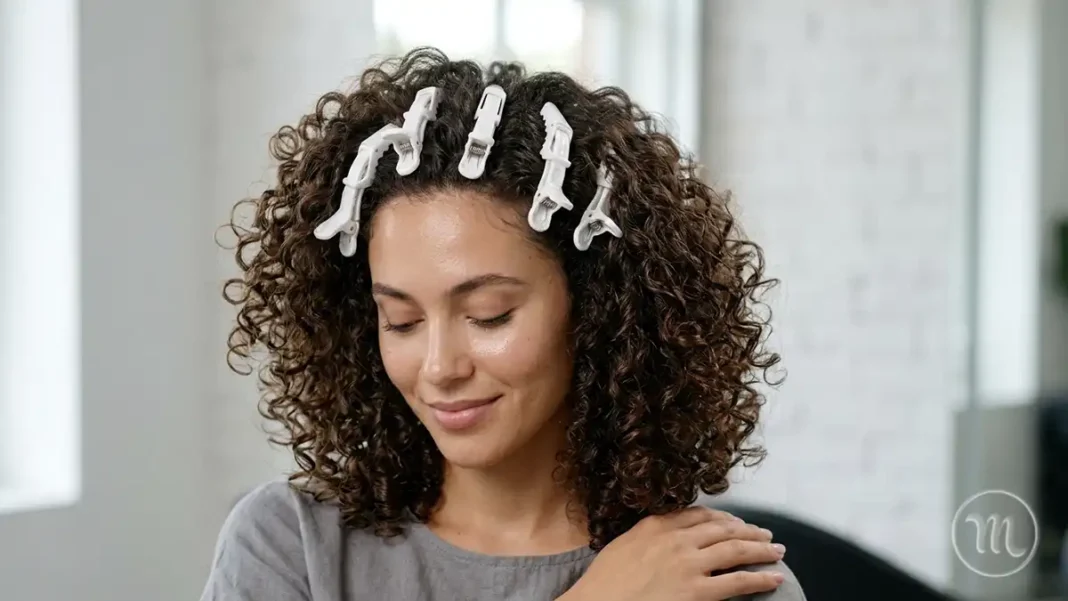
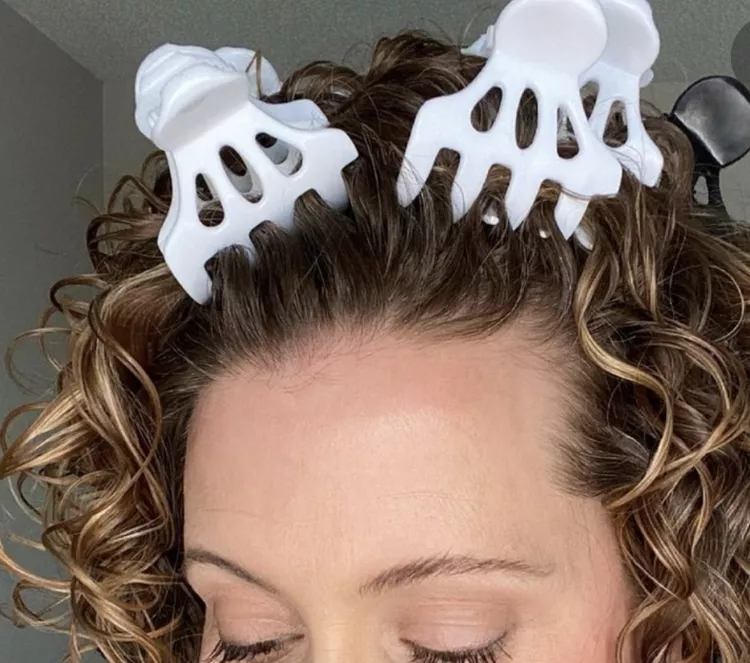
Root clipping is a simple technique that involves using strategically placed clips to create long-lasting volume directly at the scalp on wavy and curly hair. As Amy Abramite, creative director and stylist at Maxine salon in Chicago, explains, clips are secured at the crown where you want to see fullness and left until the hair is completely air-dried. This allows the roots to lift while keeping the texture and length of the curls intact—and most importantly, without heat damage.
Choosing your tool depends on your hair type. Tiny metal clips are better suited for fine hair because they pull less and have a more delicate grip. On the other hand, plastic accessories work perfectly with thick hair since they’re sturdier and can hold heavier textures better.
Підписуйтесь, щоб не пропустити нічого цікавого! | Follow us so you don't miss anything interesting! | Subskrybuj, aby nie przegapić niczego ciekawego!
The Benefits of Root Clipping
According to Cedric, celebrity stylist and owner of Cédric Salon at the Lotte New York Palace hotel, this technique is a safe and easy way to achieve movement, lift, and volume that lasts significantly longer than a standard blowout. The mechanism is simple: when clips are placed on damp hair, the cuticle is pliable and open. As it dries, the cuticle closes, the hair becomes less flexible, and it “memorizes” the volumized shape until your next wash.
How to Master the Technique Step-by-Step
Before grabbing your clips, it’s worth deciding exactly where you need volume to harmonize your look. Roger Azadganian, founder of ӓz Craft Luxury Haircare, emphasizes the importance of balance: square and pear-shaped faces need volume on top, while heart and diamond shapes need fullness on the sides to balance their features.
- Preparation: Start when your hair is about 70% dry.
- Fixation: Separate small sections in the zones where you want to add fullness. Insert the clip with an upward motion, then secure it right against the scalp.
- Quantity: Repeat as many times as needed. Remember: the more rows of clips, the more intense the volume.
- Styling: Apply a small amount of volumizing spray.
- Finishing: Let your hair air-dry completely, then gently remove the clips. It’s important not to snag the ends to avoid frizz or breakage.
When choosing products, avoid heavy creams and oils that can weigh down your curls. Opt for products that support shape and provide moisture without stripping the hair of its natural lightness.
Who Should Skip This Method?
While root clipping can technically be tried on any hair, it works best on types 2B and up (wavy and curly). This specific texture is capable of taking shape during air-drying and looking bouncy rather than flat.
Girls with perfectly straight hair should know: while you can try this technique, it’s unlikely to give you the height you want. Without a natural bend, clips can leave awkward kinks or cause static electricity. Erinn Courtney, StyleSeat stylist, suggests sticking to a classic blowout with a round brush in this case.
Also, the technique isn’t ideal for very coarse hair that naturally “stands up” from the roots when dry—clips might just disrupt your natural texture.
A Key Warning
If you have a sensitive or inflamed scalp, put this experiment on hold. Clips create a certain amount of pressure that can worsen irritation. When in doubt, it’s always best to consult your hairstylist or a trichologist to see if this method is safe for your scalp condition and if it will deliver the aesthetic results you’re after.
MY OPINION:
I think root clipping is a true manifesto of love for your natural curls. It’s that rare case where cheap clips work better than expensive stylers—the key is having the patience to let your hair dry completely.
Advice from MODISTA
- Use metal clips for fine strands to avoid excess tension, and plastic ones for thick curls.
- Always wait for 100% dryness before removing accessories to lock the cuticle in a lifted position.
- Apply a lightweight texturizing spray instead of heavy mousses to keep the hairstyle moving naturally.
How do you fight for volume in your curls? Have you tried root clipping yet, or do you still swear by your diffuser? Share this helpful article with a friend who’s dreaming of a voluminous look without the hair damage!
ℹ️ REFERENCE
Real Simple is a popular American publication specializing in life tips, beauty, and hacks that simplify daily living. This article is based on expert opinions from leading US stylists. 🌐
Наші стандарти: | Our standards: | Nasze standardy: Редакційна політика сайту MODISTA | Editorial policy of the MODISTA website | Polityka redakcyjna serwisu MODISTA
За матеріалами Modistaua.com | Based on materials from Modistaua.com | Na podstawie materiałów Modistaua.com
Підписуйтесь на новини | Subscribe to news | Subskrybuj wiadomości MODISTA в Telegram