



- •Why shade is lavender’s worst enemy and how it stunts stem growth.
- •The danger of excess moisture: how drainage and sprinklers can cause root rot.
- •Soil secrets: why fertilizers and acidic environments hurt the plant instead of helping.
- •Space and ventilation: why keeping your distance between bushes is non-negotiable.
Lavender is a tried-and-true favorite in countless gardens and landscapes. It’s drought-tolerant, attracts pollinators, and gifts us with stunning, fragrant blooms throughout the spring and summer. But if you’ve ever watched a lavender bush wither away, you know these hardy plants aren’t invincible. Choosing the right spot is the first step toward filling your garden with Mediterranean vibes—and there are several locations you should strictly avoid.
According to gardening pros, specific conditions can literally kill this crop. I’ve analyzed expert recommendations and put together a detailed guide on exactly where you shouldn’t place your seedling if you want to see lush blooms instead of dry sticks.
Shady Spots and Lack of Light
Lavender is a sun-worshipper that needs several hours of direct sunlight every single day to thrive. That’s why it’s vital to avoid shaded corners for this perennial. If you plant it in the shade—under dense tree canopies or on the north side of a building—it won’t get the energy it needs to grow and flower. In low-light conditions, lavender becomes “leggy” (stems stretch out too much), blooms significantly less, and becomes a magnet for disease.
Instead, make sure you pick a location that gets six to eight hours of direct sun daily. Also, try not to plant your bushes too close to large trees or shrubs that might eventually grow and block their access to the rays.
Areas With Poor Drainage
If there are two things you need to know about lavender, it’s that it loves the sun and bone-dry conditions. The roots are incredibly sensitive to waterlogging, making high-quality drainage critical for its longevity. Steer clear of spots where water tends to pool, such as low-lying areas or patches with heavy clay soil.
Підписуйтесь, щоб не пропустити нічого цікавого! | Follow us so you don't miss anything interesting! | Subskrybuj, aby nie przegapić niczego ciekawego!
This kind of environment can trigger root rot and lead to dangerous fungal diseases like phytophthora. Opt for sandy soils on elevated spots where there’s zero risk of flooding. Planting lavender in raised beds or specific containers is also a brilliant solution if your landscape is naturally too damp.
Near Sprinklers and Downspouts
By the same token, you should avoid planting lavender near automatic irrigation systems, sprinklers, or drainage pipes. In these spots, plants don’t just suffer from soggy roots; they also face a higher risk of fungal infections because water is constantly splashing onto the leaves. Persistent moisture also attracts pests like fungus gnats and spider mites, which can take down a bush surprisingly fast.
Overcrowded Flowerbeds and Gardens
Air circulation is a make-or-break factor for lavender health, which is why you shouldn’t “cramp” it into dense plantings. Overcrowding leads to stagnant air and moisture buildup around the foliage. This opens the door for powdery mildew and gray mold (Botrytis). Ideally, each bush should have 18 to 24 inches of free space on all sides to avoid competition for light and nutrients.
Acidic Soil
Acidic soil is another big no-no. Before planting, definitely run a pH test. Lavender needs to grow in neutral to slightly alkaline soil. If the pH level drops below 6.0, the plant won’t be able to properly absorb nutrients, leading to yellowing, stunted growth, and even death.
Acidic soil is usually found in rainy regions, areas with organic buildup, woodlands, or near pine trees. To fix the situation, you can add lime or wood ash to the ground before planting to bring the acidity down.
Rich and Heavily Fertilized Ground
Fertilizers aren’t always a good thing! While many garden crops love soil packed with nutrients and organic matter, lavender isn’t one of them. Too much “rich” soil can actually harm the plant in the long run. It performs best in poor, lean soils. An excess of compost or fertilizer triggers explosive green growth, but you’ll get fewer flowers and a shorter overall lifespan for the bush.
Beds With Organic Mulch
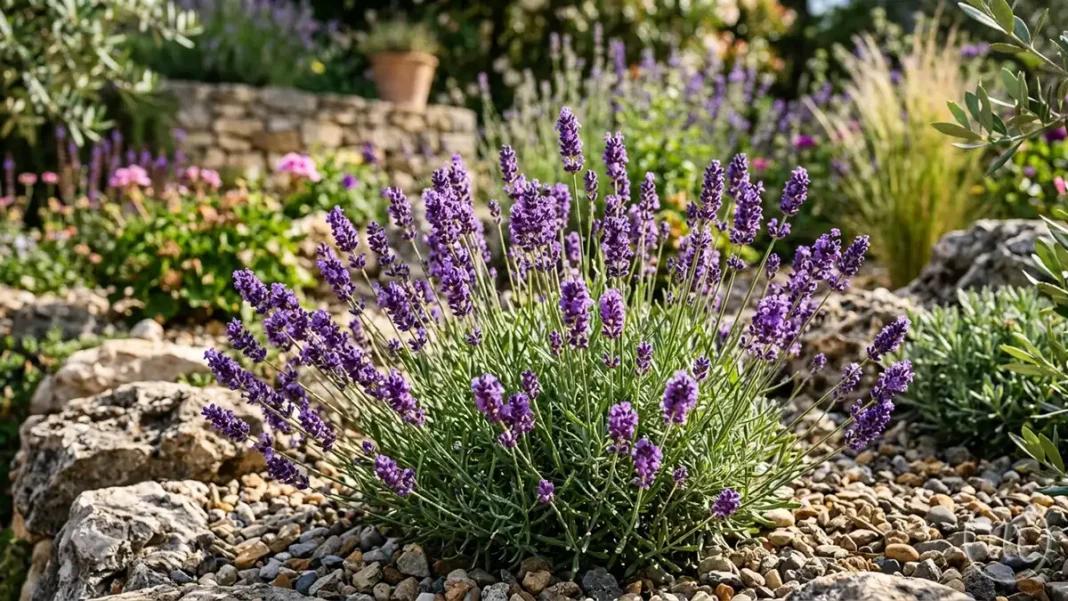
Mulching is great for retaining heat and fighting weeds, but not all mulch types are lavender-friendly. Dense organics like wood bark, chips, or compost hold too much moisture right at the plant’s base. Pine bark and needles are particularly dangerous because they stay wet and acidify the soil. Lavender is the perfect candidate for rock gardens or alpine hills where organic mulch isn’t used at all or is replaced with gravel.
Cold and Windy Locations
Finally, experts advise against planting lavender in wide-open spaces whipped by cold winds. While some varieties, like English lavender (Lavandula angustifolia), handle low temps fairly well, most cultivars suffer from freezing winds. When the ground freezes and roots can’t take up water, the wind simply dries out the leaves. If you live in a cooler climate, choose a sunny spot near a south-facing wall or behind a protective fence to shield the plant from drafts.
I’ve often noticed gardeners trying to “over-love” their lavender by giving it the best soil and tons of water, only to wonder why it dies. Remember: lavender is a child of the sun and stones. Sometimes the best care you can give it is to simply leave it alone in a sunny, dry spot.
Advice from MODISTA
- Instead of wood bark, use fine gravel or pebbles for mulch—this helps reflect light up onto the leaves and keeps the root crown dry.
- If you have heavy soil, add a generous amount of coarse sand or small grit to the planting hole to create artificial drainage.
- Always check the forecast before planting: young plants settle in best during mild weather, not during extreme heat or unexpected frosts.
Have you found the perfect “happy place” for your lavender yet, or is it still being finicky? Share this article with your fellow green thumbs so their flowerbeds can smell like a true slice of Provence!
ℹ️ REFERENCE
This material is based on expert advice from botanists and professional gardeners published on the popular home and garden resource, The Spruce. The publication specializes in verified practical recommendations for plant care and creating cozy landscapes. 🌐