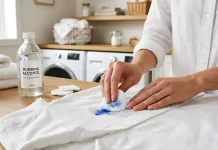
- • The hidden reason mirrors lose their brilliant shine due to daily wiping and harsh chemical sprays.
- • Why your favorite area rug actually starts to darken and attract grime three times faster after wet cleaning.
- • The delicate approach to hardwood furniture: how to protect its natural grain from a sticky, dull buildup.
- • A fresh perspective on daily chores that will save you time, effort, and money on unnecessary cleaning products.
Read in another language:
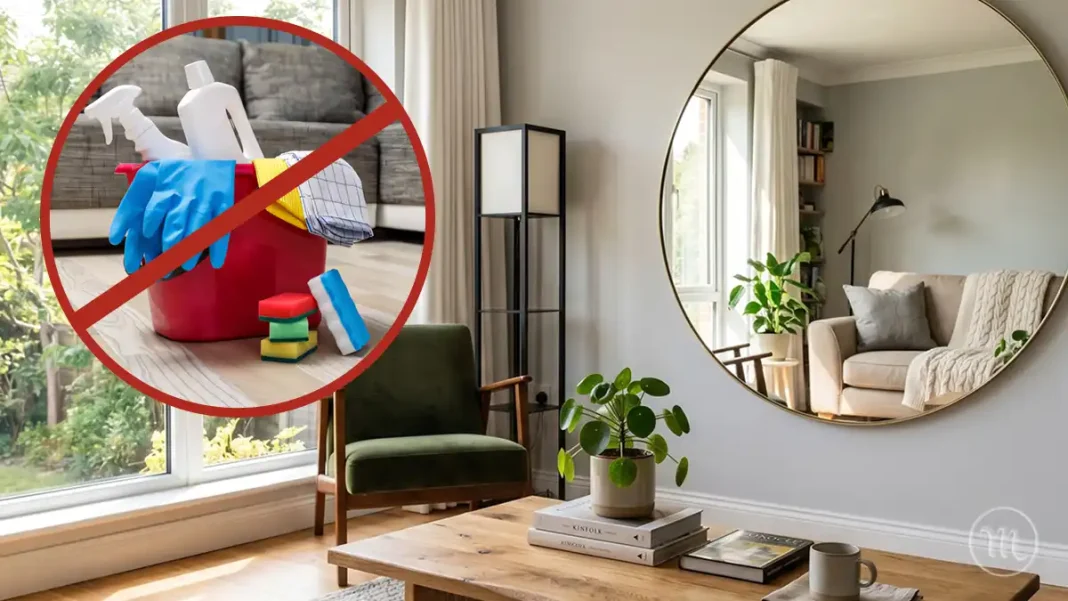
Keeping every room in the house pristine and sparkling is a natural goal for many of us. We grab a microfiber cloth, arm ourselves with a massive arsenal of sprays, powders, and foams, and wage a daily war on dust and grime. However, professional cleaning experts and home organizers are issuing a warning: it is incredibly easy to cross the line. Over-the-top perfectionism and excessive cleaning won’t just wear you out—it can actually deliver the exact opposite result, turning your favorite belongings into absolute dust magnets, reports MODISTA.
The truth is, your home is full of items and surfaces that absolutely hate being disturbed on a daily or even weekly basis. Using heavy-duty cleaning agents when they aren’t actually needed does more harm than good. Instead of that dreamy, high-gloss shine, you risk damaging the material’s texture, creating micro-scratches, and leaving a weird film that forces surfaces to collect new stains at twice the speed. Let’s break down the three most common household items currently suffering from too much love.
The Mirror Illusion: Why Glass Surfaces Hate Daily Spritzing
Many of us have a habit of wiping down the bathroom or entryway mirror almost every single time we wash our hands, brush our teeth, or complete our morning skincare routine. The second we spot a tiny water droplet, we instinctively reach for the glass cleaner. It feels like an instant fix that keeps the room looking flawless while stopping grime in its tracks. Sounds familiar? In reality, you’re kickstarting the deterioration of a very delicate household item.
I’ve noticed a major pattern here: using heavy chemical glass formulas to blast away minor smudges. A mirror isn’t just a basic sheet of clear glass; it features an incredibly thin backing that creates that reflective finish. Constant exposure to liquid and aggressive cleaning ingredients slowly eats away at this sensitive layer. Over time, you’ll start noticing dark spots around the edges, cloudy streaks, or permanent damage that no amount of scrubbing can fix. If a few drops of clean water splash onto the surface, simply blot them away with a dry microfiber cloth without adding any product. It actually works, and it keeps your mirrors looking brand new for years.
Підписуйтесь, щоб не пропустити нічого цікавого! | Follow us so you don't miss anything interesting! | Subskrybuj, aby nie przegapić niczego ciekawego!
The Fiber Trap: How Over-Washing Destroys Cozy Rugs
Area rugs bring an unmatched sense of warmth and texture to any space, but they require a lot of restraint when it comes to maintenance. Of course, running the vacuum regularly to pull up surface dust is a golden rule for a healthy home. However, putting your textiles through constant wet cleanings with foams, liquid shampoos, and harsh spot treatments is a massive tactical error.
Here’s the thing. When you scrub a liquid cleaner into the fibers, it’s practically impossible to rinse it out fully at home without professional extraction equipment. The chemical residues sit deep inside the pile, drying into an invisible, sticky film. At first, the rug looks refreshed and clean. But within just a few days, you’ll notice the fabric beginning to darken and get dirty at warp speed. That leftover soapy film acts like a literal magnet, attracting every speck of dust, pet hair, and lint that floats by. Instead of a fresh rug, you end up with stiff, chemical-laden fibers that demand to be cleaned over and over again.
Natural Wood: The Hidden Danger of Frequent Polishing
Fine wood furniture is a timeless investment that adds instant character to an interior. Seeing a layer of dust on a dark, lacquered tabletop can be incredibly frustrating, so it’s easy to reach for a shiny can of wood polish or an all-purpose spray. But natural materials and premium veneers need serious boundaries when you’re tidying up.
My top tip: save the specialized chemical formulas for rare occasions. If you treat your tables, dressers, and cabinets with polish every single week, a thick layer of wax or silicone starts building up on the wood. Over time, this buildup turns into a dull, tacky coating that traps every tiny particle moving through the air. The furniture starts looking cloudy and old, completely losing its natural warmth and texture. To keep things clean, all you really need is a soft cloth slightly dampened with plain water and wrung out completely. Experts suggest using specialized wood care products no more than once a month—that’s more than enough to keep your furniture in pristine condition for decades.
My Opinion:
Cleaning should be smart and efficient, not a source of extra chores. Let your home breathe a little, and you’ll find that keeping things looking fresh is actually much easier than you think!
Advice from MODISTA
- For daily dusting, stick strictly to dry or barely damp microfiber towels, which lock in dirt using physical structure rather than chemicals.
- If you get a stain on your rug, spot-clean it immediately, making sure to rinse out any soapy solution with fresh water and blot it dry with paper towels.
- Cut back on wood polishes to an absolute minimum—let the natural material show off its true beauty without unnecessary layers of silicone.
Have you ever noticed that after using certain high-tech household sprays, a fresh layer of dust settles on your tables by the very next morning? Share this tip with a friend who deserves to take a break today instead of doing another exhausting deep clean!
MODISTA Daily MODISTA Daily MODISTA Daily
ℹ️ REFERENCE
Modern guidelines for eco-friendly and safe home maintenance emphasize minimizing the use of surfactants. Excessive reliance on household chemicals within enclosed living spaces doesn’t just degrade delicate finishes; it can also compromise indoor air quality. To learn more about proper methods for creating a healthy home environment and sustainable housekeeping routines, visit this educational platform. 🌐
Наші стандарти: | Our standards: | Nasze standardy: Редакційна політика сайту MODISTA | Editorial policy of the MODISTA website | Polityka redakcyjna serwisu MODISTA
За матеріалами Modistaua.com | Based on materials from Modistaua.com | Na podstawie materiałów Modistaua.com
Підписуйтесь на новини | Subscribe to news | Subskrybuj wiadomości MODISTA в Telegram