- • Why high temperatures trigger irreversible chemical reactions inside the bottle.
- • Which wine varieties lose their unique flavor profile the fastest under the sun.
- • The main visual warning sign that instantly gives away heat-damaged alcohol.
- • Simple, expert-approved hacks to keep your drinks perfectly chilled outdoors.
Read in another language:
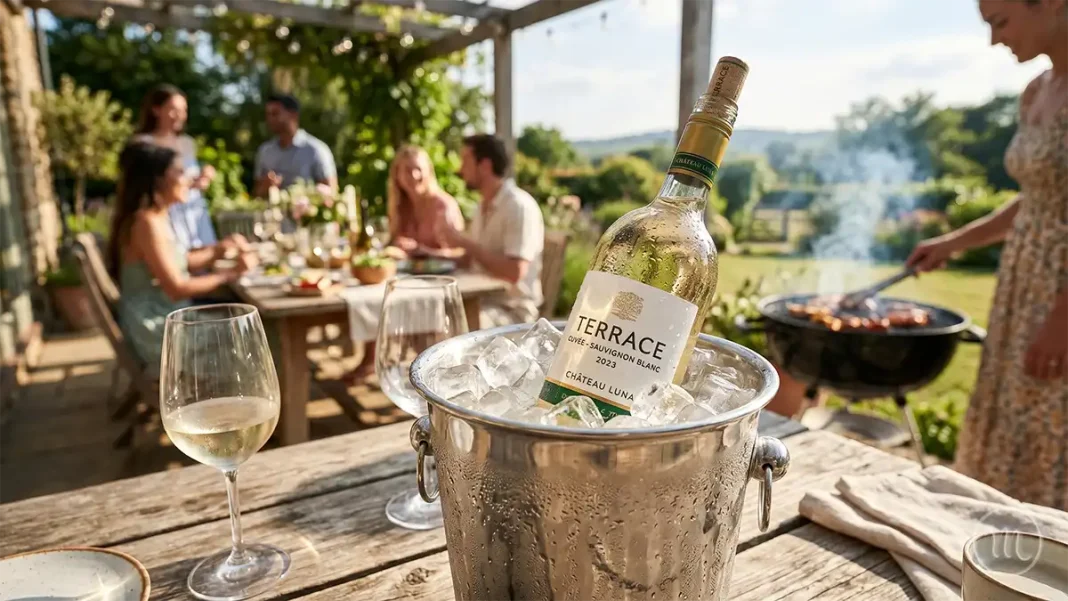
Summer is the ultimate season for backyard barbecues, park picnics, and long, breezy evenings on the terrace with friends. Hosts usually spend days planning the perfect menu: juicy ribs, grilled steaks, charred corn, and fresh berry pies. But during outdoor gatherings, even the most meticulous hosts often make one critical mistake that can instantly ruin a high-end dinner experience. I am talking about leaving wine out in direct sunlight without proper chilling, reports MODISTA.
Instead of the crisp, refreshing pour you are anticipating—packed with vibrant citrus or herbal notes—your guests might end up with something completely different. When wine gets hot, it takes on an unpleasant, stewed quality reminiscent of overcooked apples, turning flat, flabby, and bitterly harsh. Luckily, avoiding this ultimate hosting fail is incredibly easy once you understand how this delicate product reacts to the elements.
Chemical Threat: What Happens Inside the Bottle Under the Heat
Wine is a complex, “living” product that continuously evolves while trapped in its glass enclosure. Extreme summer heat acts as a massive catalyst, aggressively speeding up all internal chemical reactions. When the ambient temperature shoots up, those delicate flavor profiles break down in mere minutes.
First to go are the subtle fruit aromas and fragile floral notes. The structural balance shifts permanently, causing the alcohol to lose its signature brightness. Throw direct UV rays into the mix, and the breakdown happens even faster. This thermal shock warps the liquid, making the palate feel heavy, jammy, and lifeless. While drinking heat-struck wine is perfectly safe and won’t harm your health, it certainly won’t bring any joy to your glass.
Підписуйтесь, щоб не пропустити нічого цікавого! | Follow us so you don't miss anything interesting! | Subskrybuj, aby nie przegapić niczego ciekawego!
There is no universal countdown for when a bottle completely spoils in the sun. It actually depends on a combination of factors:
- Glass color (dark bottles offer significantly better defense against aggressive light than clear glass).
- How thoroughly chilled the liquid was before going outside.
- The overall humidity levels in the air.
Vulnerability Ranking: Which Varieties Are Least Heat-Resistant
Just like human skin reacts differently to sun exposure, different wine styles have unique sensitivities to heat, driven by their chemical composition, acidity levels, and tannins.
- The Most Fragile: Bubbly. Effervescence and crispness are the entire point here. Heat immediately kills high acidity and structural bite, turning a gorgeous Champagne or Prosecco into a flat, warm, sugary liquid.
- Handle with Care: Whites. Most white varieties rely on delicate, light aromas and fresh fruit accents. Under high temperatures, these features fade first.
- Not Built for the Sun: Rosé. These chic summer sippers are loved for their bright berry profiles. However, sunlight causes those fragile floral and strawberry notes to wither at a catastrophic pace.
- Surprisingly Sensitive: Light Reds. Elegant varieties like Pinot Noir or Grenache balance on a tightrope of complex, layered notes. Warming them up instantly smothers this fine texture, leaving you with nothing but aggressive alcohol heat.
- The Most Resilient: Full-Bodied Reds. Bold Cabernet Sauvignon, Zinfandel, and other rich reds handle summer weather swings much better. Their robust structure, high concentration, and heavy tannins offer great defense. They aren’t immune to heat stroke, but they fight off degradation much longer than the rest.
The Ultimate Red Flag: How to Spot Heat Damage
The most obvious visual giveaway that your drink has suffered from heat exposure is the state of its cork. As liquid warms up, it naturally expands, creating intense pressure inside the glass bottle. If you notice the cork sticking out slightly from the neck or see sticky residue lines around the capsule, the bottle has severely overheated.
But keep in mind, a perfectly flat cork doesn’t mean you are in the clear. Moving a hot bottle into a cool wine cellar or kitchen fridge won’t reverse the destructive oxidation that has already triggered. The damage will show during tasting: your glass will be dominated by stewed fruit aromas, the palate will feel entirely flat, and the liquid itself might take on an unappealing, dull brownish tint.
Sommelier Secrets: Three Simple Rules for Outdoor Gatherings
Managing temperatures at a summer party comes down to three essentials: ice, water, and smart shading.
- The Power of an Ice Bath. For whites and rosés, always use dedicated ice buckets. Here is my top tip: never just use ice cubes alone—always add water. Pure ice creates uneven contact with the glass, while an ice-water slush completely wraps the bottle, chilling it down rapidly and evenly. If you are serving reds with dinner, set up a separate bucket with just a small splash of ice and water to maintain a cool cellar temperature so the tannins don’t turn harsh from the ambient heat.
- Strict Shade Enforcement. Never let your bottles sit under open skies. Stash your coolers beneath patio umbrellas, place them on covered verandas, or simply tuck them under the table out of the sun’s reach.
- Small Pours and Smart Rotation. Pour small amounts at a time. Fill a glass to the brim, and it will turn warm before your guest can even finish it. Also, don’t bring your entire alcohol stash outside at once. Keep the main supply indoors and swap bottles out only as needed.
My Opinion:
Paying close attention to serving temperatures preserves every beautiful note the winemaker intended, ensuring your summer gathering stays memorable for all the right reasons.
Advice from MODISTA
- Always throw a handful of coarse salt into your ice bucket—it lowers the freezing point, chilling your bottles twice as fast.
- For outdoor events, choose wines in dark green or amber bottles, which block up to 90% of damaging UV rays.
- If a bottle accidentally gets hot, don’t try to save it by blasting it in the freezer—extreme temperature shocks will completely destroy its internal balance.
How do you keep your favorite drinks perfectly chilled during summer picnics? Bookmark these handy tips so your outdoor hosting is always flawless, or share this link in our Telegram channel with your bestie who is currently planning a weekend getaway!
MODISTA Daily MODISTA Daily MODISTA Daily
ℹ️ REFERENCE
Good Housekeeping is one of the oldest and most trusted women’s lifestyle publications in the world, founded back in 1885. The outlet is renowned for its deep product testing, culinary expertise, health insights, and home advice, all backed by the state-of-the-art laboratory at the Good Housekeeping Institute. To check out more expert guidance on food and drink care, visit their official platform. 🌐
Наші стандарти: | Our standards: | Nasze standardy: Редакційна політика сайту MODISTA | Editorial policy of the MODISTA website | Polityka redakcyjna serwisu MODISTA
За матеріалами Modistaua.com | Based on materials from Modistaua.com | Na podstawie materiałów Modistaua.com
Підписуйтесь на новини | Subscribe to news | Subskrybuj wiadomości MODISTA в Telegram