



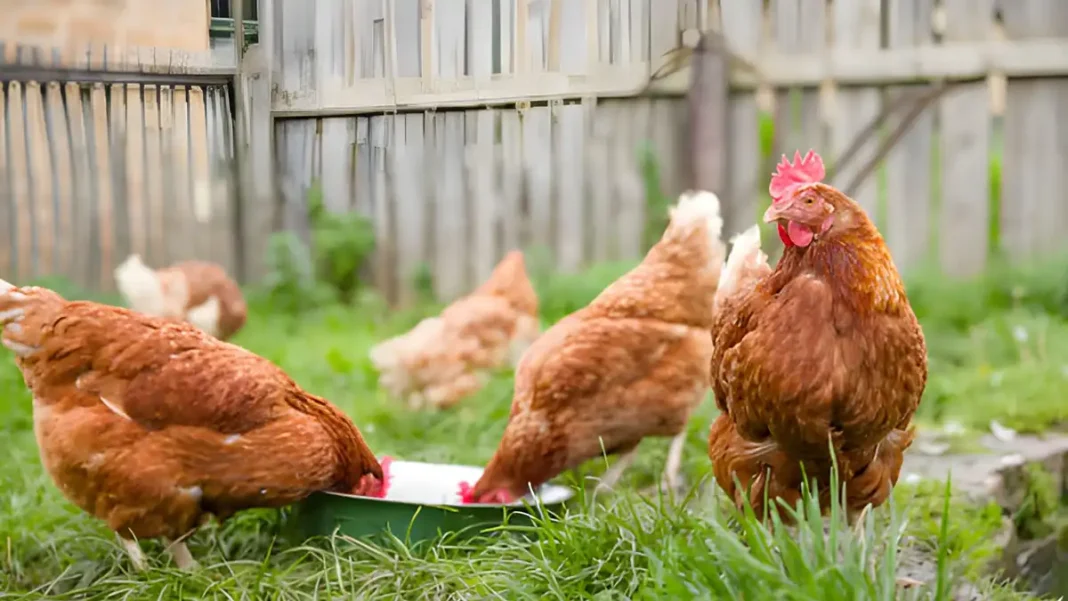
Forget about winter slumps and summer “laziness”—experienced poultry farmers reveal what you need to feed and how to keep your laying hens so they reward you with a fresh egg every day.
Article Navigation ⬇️
In my experience, as with most homesteaders, the onset of cold weather or, conversely, unbearable summer heat has always been a challenge. Usually, when the daylight hours shorten, chickens seem to take a “vacation,” reacting to natural signals. This is a normal winter pause.
However, not only cold and short daylight can be the reason for reduced egg production. Sometimes owners face this problem even during the warmer months. The fact is that laying ability is the result of an ideal balance between housing conditions, nutritional diet, and the psychological comfort of the poultry. If you aim to get more eggs, you need to adjust all three components.
Ideal Conditions for Layers: Comfort is Key to Productivity
For your birds to feel good and lay eggs consistently, you should take care of their “home” and their routine.
Optimizing the Environment and Heat Protection
- Summer Diet and Greens. In spring and summer, birds need the most diverse diet possible. Be sure to include fresh grasses, crushed fruit scraps, vegetables, and root vegetables in their menu.
- Sun in Moderation. Sunlight is important for health, but excessive heat (temperatures above +28°C) can sharply reduce laying. Protect the birds: in the walking areas, set up canopies or create shade so the chickens can hide from direct rays.
Lighting Schedule and Nests
- Nest Coziness. For chickens to readily sit on nests and lay there, create a semi-dark environment. I often advise setting up the egg-laying spot with a 25W light bulb that provides soft, subdued lighting.
- Freedom to Roam. If possible, allow the bird to roam freely in the yard. This is not only beneficial for their health but also allows them to naturally find useful “supplements”: worms, insects, and small pebbles, which are essential for digestion.
- Fresh Water and the Heat “Savior.” Water must be accessible constantly, clean, and fresh. Especially in the heat, I recommend adding sour milk (buttermilk or curds) to their drink. It not only stimulates laying but also provides excellent relief from high temperatures.
What to Feed Chickens So They Lay Golden Eggs
Diet is the alpha and omega of egg production. The bird must receive all the necessary vitamins, microelements, and energy, so feeding them only “what’s left over” is not an option.
Підписуйтесь, щоб не пропустити нічого цікавого! | Follow us so you don't miss anything interesting! | Subskrybuj, aby nie przegapić niczego ciekawego!
Composition and Feeding Schedule
- Diet Foundation. Add a variety of products to the daily menu, as well as high-quality ready-made compound feed. Grains, root vegetables, green feeds, and grasses should make up the lion’s share of the nutrition.
- Feeding Schedule. Stick to the exact same time. Adult chickens are usually fed twice a day. In the morning, it is best to give a wet mash, and in the evening—a mixture of whole grain. Young chickens need 3–4 feedings per day. Remember: both overeating and undereating equally negatively affect laying.
- Types of Feed:
- Dry feed: grains and mixed grain feed.
- Wet feed (mashes): boiled potatoes, vegetables, bran, groats, crushed grass.
- Mineral supplements: chalk, salt, meal, oil cake, etc.
- The Mash Rule. Prepare the wet mash immediately before serving and only as much as the chickens can eat at once. This feed spoils quickly, especially in the summer.
- Feeder. Fill the feeder only to two-thirds of its volume. This way, the birds won’t be able to scratch out and trample the food, which minimizes feed loss.
Grain Balance: What to Give the Laying Hen from Staple Food?
Grain mixtures should make up about 60% of the daily diet. They are what provide the bird with carbohydrates, vitamins, and fiber.
Best Grains for Layers
| Grain | Benefits and Feeding Tips |
| Wheat | The primary dietary unit. Rich in proteins, B and E vitamins. |
| Oats | Rich in fiber, B, PP, and K vitamins. Better to give it steamed. |
| Barley | Ideal ratio of various microelements. It must be given crushed. |
| Corn (Maize) | An indispensable source of carbohydrates and energy. Also needs to be crushed before feeding. |
| Millet and Rye | Contain a lot of protein, no less useful for variety. |
Important Additions
- Protein. For complete protein nutrition, add legumes, sunflower oil cake, and meal to the diet.
- Green Feeds. Be sure to include clover, alfalfa, peas, lettuce leaves, and nettle in the menu.
- Summer Menu. In summer, birds are also fed grated zucchini, pumpkin, and pattypan squash, as well as cabbage leaves.
The Laying Stimulant: Yeast
Experienced farmers will confirm: ordinary baker’s yeast is a time-tested stimulant for laying.
Yeast Mixture Recipe
- Dissolve the contents of a yeast packet in 300–350 ml of warm water.
- Stir thoroughly and let it steep for one hour.
- Add another 2 liters of warm tap water to the solution.
- Soak 3 kg of grain in this mixture and cook it into a mash.
- Let the mash stand for a while.
- Feed this yeast mash to the chickens for four days. This will provide a powerful boost of B vitamins and protein.
What You Absolutely Cannot Feed Chickens
There are foods that can seriously harm the health of the poultry or even lead to its death.
- Fresh Bread. It swells and clumps in the bird’s stomach, which can cause obstruction. Replace it with rusks or dried bread.
- Mold and Rot. Products with mold, rotten, or moldy grain. It infects the bird, blocks the crop, and is dangerous.
- Fermented Products. Feeds that have begun to ferment or sour are prohibited.
- Poisonous Plants. Field horsetail, wormwood, celandine grass.
- Potatoes. Green or sprouted potatoes contain solanine, which is poisonous.
- Sweet and Salty. Products high in sugar or salt.
Preventing Egg Eating: The Problem and the Solution
If chickens start pecking at and eating their own eggs, it is often a signal of a calcium and mineral deficiency.
To prevent this unpleasant habit, add chalk (or ground eggshells) to their feed twice a week. This compensates for the mineral deficiency and keeps your eggs intact.
By establishing a routine, ensuring a balanced diet, and creating comfortable conditions, you will very soon see a significant increase in the number of eggs. Sometimes the success of poultry farming is just a matter of attention to detail!