



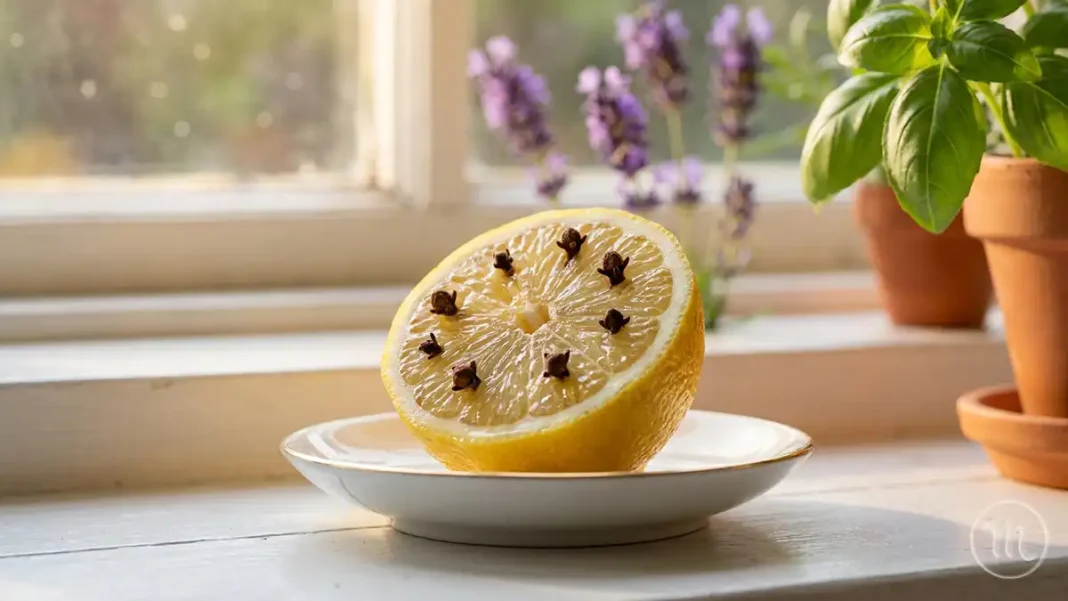
- • The secret summer fragrance: why this popular kitchen spice makes flies instantly turn around.
- • The power duo: how to combine a simple citrus fruit and spice for maximum windowsill protection.
- • Green protectors: the stylish houseplants that double as a natural shield against unwanted bugs.
- • The golden rule: why even the best natural tricks won’t work without one basic kitchen habit.
Read in another language:
Flies have a flair for the dramatic. They always seem to stage their grand entrance at the worst possible moment—right when your table is perfectly set, your fresh summer fruit is beautifully sliced, and your window is cracked open “just for a minute to catch a breeze.” Seconds later, the dreaded summer dance begins around your glass, your plate, and your sanity. They move in without an invitation, without a shred of shame, and with total confidence that they own the place, reports MODISTA.
But here’s the good news: you don’t have to tackle these winged intruders with heavy, harsh chemical sprays or hang up those unsightly sticky strips that instantly turn a chic kitchen into a scene from a horror movie. Nature actually figured out some pretty elegant solutions a long time ago. The trick is knowing exactly which scents disrupt their radar. There’s an incredibly simple, natural hack that keeps these uninvited guests at bay, and I’ve found it works wonders. The star of the show? Whole aromatic cloves. While we usually associate this spice with cozy winter mulled wine and holiday baking, it transforms into your personal, wonderfully scented windowsill bodyguard during the warmer months.
Why cloves are a natural shield against persistent pests
Whole cloves contain a unique aromatic compound called eugenol, which gives the spice its distinct, rich, and long-lasting scent. These sharp, intense aromas are exactly why flies tend to steer clear of certain plants, spices, and essential oils. Scientific research into plant-based repellents has shown time and again that many essential oils and their active components have great repelling properties. For the sake of transparency, though, I should note that the concentrated punch of a lab-tested oil and the subtle throw of a sliced lemon on your counter are two different things.
Even so, this eco-friendly household trick has plenty of practical value. It’s not that flies spot the cloves, get scared, and pack their tiny bags forever. Here’s the thing: the deep, spicy fragrance trail creates a hostile environment around your window tracks, dining areas, and kitchen countertops, gently nudging the insects to fly elsewhere.
Підписуйтесь, щоб не пропустити нічого цікавого! | Follow us so you don't miss anything interesting! | Subskrybuj, aby nie przegapić niczego ciekawego!
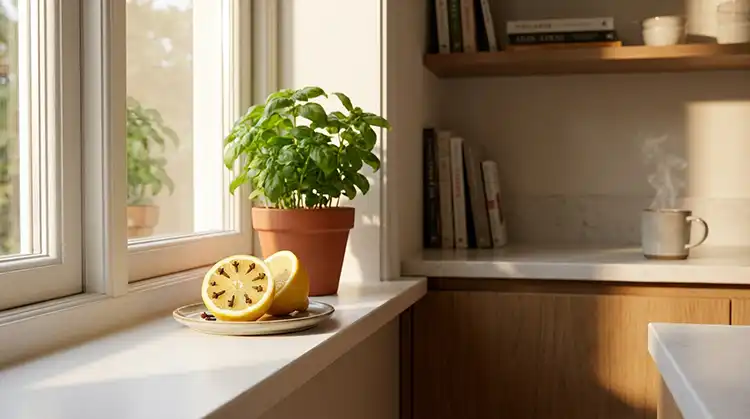
The ultimate summer duo: the citrus method
To whip up this stylish, completely natural repellent, you only need two items that are likely already sitting in your pantry or available at the nearest grocery store: a fresh lemon and whole dried cloves.
How to build your fragrant barrier:
- Take a ripe lemon and carefully slice it right down the middle with a sharp knife.
- Press about 10 to 15 whole cloves firmly into the flesh of each lemon half.
- Place your newly minted citrus protectors on your windowsills, directly on the dinner table, or by the patio doors.
The natural fragrance is most potent during the first few days. My top tip is to refresh your lemons every three to four days, or as soon as the pulp starts looking dry and the spicy, cozy aroma begins to fade.
If you prefer a more minimalist look for your home decor, there’s an even more discreet version of this hack. You can simply toss a handful of whole cloves into a small, elegant ceramic bowl or ramekin and leave it near the window. Just don’t use ground cloves. Trust me on this—ground spices lose their scent way too fast and can leave stubborn dark stains on light wood or marble windowsills, turning into a fine dust you’ll end up scrubbing away later.
Basil, lavender, and mint: gorgeous greenery with a purpose
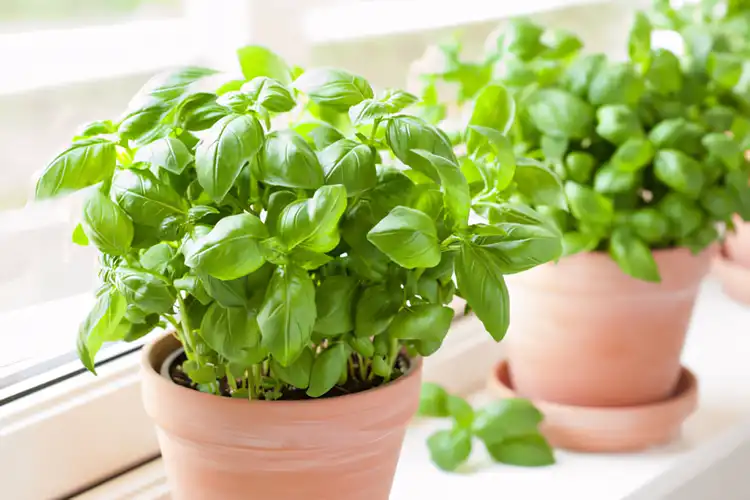
If you want to step up your home’s defense system, bring in some live plant power. A lush pot of green or purple basil sitting on your kitchen windowsill is a gorgeous addition to any space. It smells incredibly fresh, channels effortless Mediterranean vibes, and comes in handy when you’re whipping up a late-night pasta, a crisp summer salad, or that refreshing cocktail you promised yourself you’d enjoy every evening.
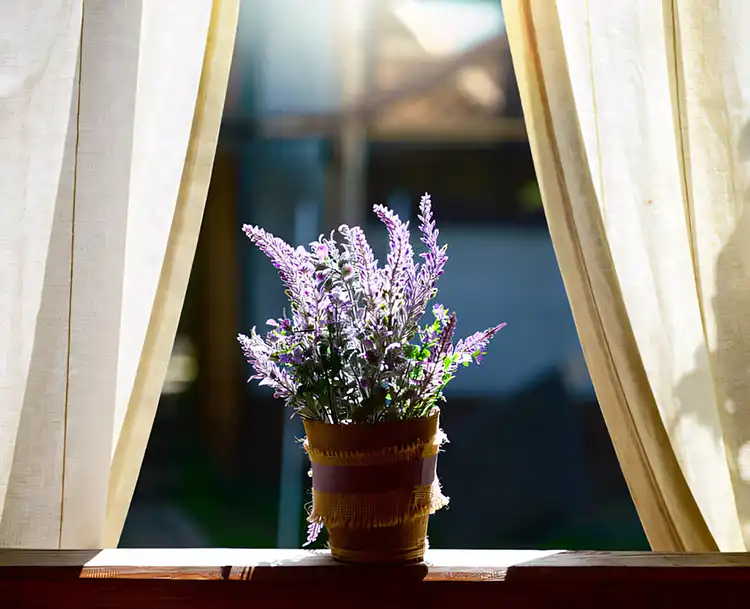
Peppermint and elegant lavender are also top-tier aromatic plants that most insects naturally avoid. Placing a vibrant mint plant near your balcony door or hanging a dried bundle of lavender by the entryway acts as a wonderful secondary shield. Of course, a few potted plants won’t create a hermetically sealed laboratory, but they absolutely lower the chances of your living room becoming a busy transit airport for bugs.
When it comes to using pure essential oils around the house, a little caution goes a long way. Oils like lavender, eucalyptus, mint, and clove are highly concentrated. Never apply them undiluted to sensitive skin, and avoid spraying them anywhere your pets might accidentally lick them. Keep it simple: a couple of drops in a diffuser or on a ceramic oil burner is all you need.
The vinegar jar trick: banishing smaller kitchen pests
Sometimes the kitchen faces a different kind of invader—those tiny, incredibly annoying fruit flies and gnats. If you’re dealing with these little pests, a time-tested, budget-friendly apple cider vinegar trap is exactly what you need.
How to build an effective trap:
- Grab a small glass or jar and pour a bit of raw apple cider vinegar into the bottom.
- Add just one single drop of liquid dish soap.
- Give it a gentle stir without making too many bubbles, and leave the jar right where the bugs like to gather.
Let’s be real here: this isn’t a gentle deterrent. The vinegar trap relies on a clever bit of science. The sweet, fermented scent lures the gnats in, while the dish soap breaks the surface tension of the liquid. Once they land, they can’t stay afloat. It works like magic for tiny fruit flies hanging around overripe summer peaches or trash cans, but don’t expect it to do much against large houseflies.
The golden rule of a bug-free kitchen
Studding lemons with cloves looks incredibly photogenic on social media, and fresh basil adds a beautiful, meditative touch to a countertop. But let’s look at things realistically: if overripe fruit is sitting out for hours, the trash can is wide open, dirty dishes are piling up in the sink, and a damp sponge is left on the counter, you’ve basically opened up a five-star luxury resort for flies.
The most reliable, generation-tested defense is always rooted in daily habits. Empty the kitchen trash regularly, cover leftovers immediately, keep fresh fruit in the fridge or airtight containers, and wipe up spilled juice or sweet tea the second it happens. Flies are drawn to food aromas, natural fermentation, and humidity. When you minimize those factors, their interest in your space drops on its own.
Smart defense without the illusions
The clove and lemon trick is an incredibly easy, budget-friendly, and eco-friendly way to cut down on seasonal pests while filling your home with a lovely aroma. It works best not as a standalone miracle, but as part of a thoughtful home routine. Combine it with clean counters, solid window screens, and fresh windowsill herbs, and you’re set for a peaceful season.
MY OPINION:
This might not banish every single fly from your life forever, but it sends a very clear message that your home isn’t an open buffet. In the middle of summer, even a small victory like that keeps the kitchen feeling like a sanctuary.
Advice from MODISTA
- Always choose plump, unbroken whole cloves for your setup, since they hold the highest concentration of aromatic essential oils and eugenol.
- Pair your studded lemons with a pot of fresh kitchen basil on the same sill; the combined scent profile does a much better job of throwing off incoming insects.
- If you spot tiny fruit gnats near your food prep areas, swap out your apple cider vinegar traps daily to stay ahead of their breeding cycle.
Have you ever tried mixing citrus and spices to keep your kitchen pest-free, or do you swear by heavy-duty screens and plug-in bug zappers? Bookmark this quick tutorial so you don’t lose the steps, and make sure to share it with a friend who’s tired of that endless summer buzzing around her dining table!
MODISTA Daily MODISTA Daily MODISTA Daily
ℹ️ REFERENCE
Plant-based home remedies and essential oils rely on natural phytoncides to deter insects. Eugenol, the active organic compound found in cloves, is frequently studied in entomology as a safe bio-pesticide option. To dive deeper into the history, properties, and science of this fragrant spice, visit the free encyclopedia pages. 🌐