




- • Why acknowledging emotions prevents panic: how simply speaking your fear out loud blocks adrenaline release and restores self-control.
- • The magic of breath grounding: a unique breathing algorithm that calms the nervous system in 60 seconds.
- • Shifting focus in practice: which simple household tasks help the brain break out of a frozen state.
- • Therapist’s advice: a clear expert action plan to stabilize your internal state during intense stress.
Read in another language:
When a wave of panic hits you over the head and your heart starts pounding wildly, it feels like the ground is slipping out from under your feet. Especially in times when chronic stress has become a constant companion in our daily lives, learning how to quickly restore your balance is not just a useful skill, but a necessity for maintaining your health. A sudden anxiety attack can catch you anywhere: at your workplace, on public transit, or home alone, reports MODISTA.
However, you shouldn’t despair or let destructive emotions completely paralyze your will. Well-known psychotherapist Olesya Shevchuk notes that a feeling of fear can be triggered by both recently experienced severe stress and a very real threat to life. That’s why the first and most critical step is a quick analysis of the current situation — you need to clearly realize whether there’s an immediate danger to your safety right here and now, or if it’s just an echo of internal worries. If there are no real reasons to panic at this exact second, lowering the “temperature” of your anxiety and returning to that long-awaited calm can be achieved with three simple yet highly effective psychological techniques.
Step 1. Emotional Validation Through Verbalization
The first thing you need to do when internal dread starts completely controlling your thoughts is to stop fighting it and trying to suppress it. Psychologists often notice this mistake when people try to distract themselves or deny their state, which only intensifies the internal tension.
If you clearly understand that danger isn’t directly in front of you, but your body is still reacting with panic, try using the emotional validation method. To do this, you need to speak a simple phrase out loud in a calm but confident voice:
Підписуйтесь, щоб не пропустити нічого цікавого! | Follow us so you don't miss anything interesting! | Subskrybuj, aby nie przegapić niczego ciekawego!
“I’m scared. I feel very anxious.”
After that, be sure to remind yourself of a foundational truth that we so often forget during emotional swings: the past is gone for good, and the future hasn’t arrived yet. A person is physically incapable of controlling the global decisions of other people, massive events, or the actions of entire nations. However, you always have full power to give yourself a little help in the present moment by shifting the focus of attention back into your own body.
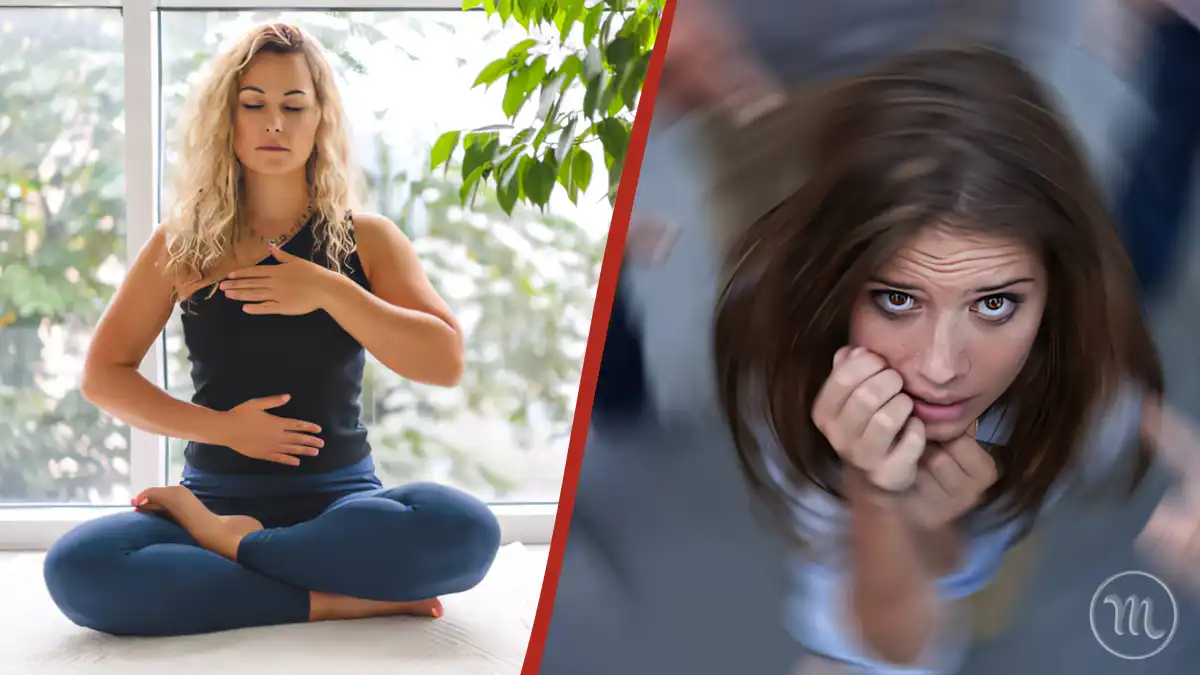
Step 2. Mental Mantra and Deep Breathing
The next stage in restoring balance is working with breathwork, because these practices directly influence the parasympathetic nervous system, signaling to the brain that it’s safe. Deep, conscious inhales and exhales can work real miracles: they instantly lower blood pressure, slow down your pulse, and help you effectively reduce anxiety.
For maximum impact, combine the breathing cycle with a verbal affirmation:
- Take a slow, as deep as possible inhale through your nose, focusing on the movement of your chest, and at the same time say to yourself or in a whisper the word: “I”.
- Then make a smooth, prolonged exhale through your mouth and just as clearly say: “Can handle this”.
This short but powerful psychological phrase can and should be used as your personal anti-stress mantra. Repeat it cyclically in any critical or difficult life situations when you feel that the overall anxiety level is getting too high and preventing you from thinking rationally.
Step 3. Physical Grounding Through Routine
As soon as you feel the first signs of relief and the emotional peak of panic begins to gradually fade, it’s incredibly important to lock in this result. Our brain needs a clear signal that the crisis has passed, and the best solution here is switching to any available physical activity.
Get busy with something completely mundane, simple, and manageable for you at that moment to fully shift your focus of thinking to the real world:
- Brew a cup of your favorite herbal tea, concentrating deeply on its aroma.
- Open an interesting fiction book and read a few pages.
- Throw a pile of accumulated clothes into the washing machine.
- Tidy up your workspace or simply wash the dishes.
Such a simple everyday routine restores a sense of control over your own life, helps you finally overcome fear, and prevents panic-driven thoughts from capturing your mind all over again.
My Opinion:
I tested these grounding techniques during a period of intense stress over deadlines, and at first, I was pretty skeptical about speaking fear out loud. But I learned from experience — as soon as you honestly tell yourself “I’m scared,” the brain stops panicking in search of an unknown threat and begins to cool down. Breathing with the mantra “I can handle this” really brings you back to reality in a matter of minutes; the main thing is not to drop the practice after the first three breaths.
Advice from MODISTA
- During breathing exercises, try to make your exhale longer than your inhale — this activates the inhibitory processes in the nervous system.
- Get into the habit of keeping a list of simple, small tasks nearby (like cleaning your desk) that you can do automatically for a quick grounding boost.
- Limit your caffeine intake during periods of high emotional strain, as it can artificially stimulate an anxiety attack or panic episode.
What personal methods help you bring back internal peace during overwhelming moments? Share this tip with a friend who might also need some calm and support during these challenging times!
MODISTA Daily MODISTA Daily MODISTA Daily
ℹ️ REFERENCE
Olesya Shevchuk is a practicing Ukrainian psychotherapist and mental health expert who actively helps people overcome the consequences of traumatic events and chronic stress. Expert advice and more detailed self-help recommendations during panic attacks can be found on the official platforms of professional psychological communities. 🌐