




- • The thirtysomething crisis: Why muscle loss turns every sweet treat into instant belly fat, and how to fight back with strength training.
- • The hormonal shift after 40: How crashing female hormones tank your daily calorie burn, and the specific foods that save your body.
- • The menopause era at 50-60: A rock-solid blueprint to protect your bones and muscle tissue using clean protein and simple dumbbells.
Read in another language:
Ever feel like staying in shape gets harder every single year, even when you’re barely eating anything at all? It all comes down to your body’s shifting biochemical blueprint, which rewires itself with every passing decade and turns the fight for a toned waistline into an absolute battle, reports MODISTA.
Back in your twenties, your body forgave pretty much every single culinary sin, late-night party, and total lack of a sleep schedule. But the moment you edge closer to 30, the free ride officially ends. You suddenly notice that your favorite dessert—the one that used to burn off without a trace—now settles directly onto your hips. It’s no reason to panic, but it is a massive wake-up call that your internal engine is shifting into a completely different gear.
Let’s be completely real about what actually happens to our bodies as we grow older. Your system simply starts conserving energy, quietly dialing down your basal metabolic rate. Here’s the thing: this doesn’t happen overnight. It’s a slow, stealthy, and incredibly sneaky process. As the years roll by, your hormones fluctuate, muscle tissue starts to melt away, and stubborn fat eagerly swoops in to take its place. If you keep eating exactly like you did in your youth and pray for a miracle, you can say hello to unwanted pounds. But if you shift your approach in time and sync up with your new biological clock, staying in gorgeous shape at 40 or even 60 is totally doable.
Metabolism in Your 20s and 30s: The Golden Era We Totally Take for Granted

During this stage of life, your body is an absolute calorie-burning furnace. Your system runs at maximum velocity, even when you’re just lounging on the couch binge-watching your favorite shows. Many of us fondly remember college days when we could comfortably devour midnight snacks without gaining a single ounce. Absolute magic, right?
Підписуйтесь, щоб не пропустити нічого цікавого! | Follow us so you don't miss anything interesting! | Subskrybuj, aby nie przegapić niczego ciekawego!
We all know the youthful magic is great, but let’s take a look at what actually ruins this perfect balance in the real world.
The ultimate enemy of a young metabolism is a sedentary desk job or spending hours glued to a computer screen. Inactivity can completely wreck even the speediest metabolic rate. When you sit for hours on end, your body decides you simply don’t need that energy anymore and starts slowing down every single internal process. Think about it: it’s scary how fast you can lose your muscle tone without regular movement. But the great news is that at 25, reversing this damage is incredibly easy. All it takes is adding regular walks, a basic morning workout, and cutting processed junk out of your daily routine.
Metabolism in Your 30s and 40s: The Onset of Silent Sabotage

Welcome to the era where your muscles start losing their ground. The moment you cross the threshold into your thirties, an unpleasant natural process kicks off: sarcopenia. Without consistent physical challenge, the body loses roughly one percent of its muscle mass every single year, quietly swapping it out for soft, stubborn fat.
Muscle tissue is the primary driver of calorie expenditure in your body. Less muscle means a naturally slower metabolism. Honestly, it’s wild that so many women are still terrified of lifting weights, thinking they’ll suddenly look overly bulky. That is a total myth! You absolutely need dedicated strength training with weights to force that muscle tissue to grow, which is the ultimate secret to boosting your metabolic rate naturally.
Also, please stop falling for extreme crash diets—at this age, they will completely wreck your system. When you starve yourself, your stress hormone cortisol skyrockets, forcing your body to hold onto every single ounce of fat as a survival mechanism. Drink plenty of clean water, stop drinking liters of coffee, and finally start prioritizing your sleep.
Metabolism in Your 40s and 50s: When Your Hormones Play Dirty

As fifty approaches, so many women experience that deeply frustrating feeling that they’re gaining weight just by looking at a salad. Sounds familiar? This isn’t about being lazy; it’s a massive hormonal shift. Your estrogen levels begin to plunge rapidly, which directly slams the brakes on your body’s lipid metabolism.
To stop your body from piling on stubborn fat, you have to completely overhaul your daily nutrition. We need nature’s secret weapons: phytoestrogens. These plant-based compounds gently help balance your shifting hormones from within.
- Toss ground flaxseeds into your daily meals.
- Don’t be afraid to enjoy fresh garlic (assuming you don’t have a romantic date night lined up right after lunch).
- Introduce high-quality tofu and fiber-rich legumes into your weekly menu.
And whatever you do, do not quit working out. Consistent movement combined with moderate weight training is the only real way to keep your metabolism afloat and burn off what’s trying to settle around your midsection.
Metabolism in Your 50s and 60s: The Ultimate Menopause Reset
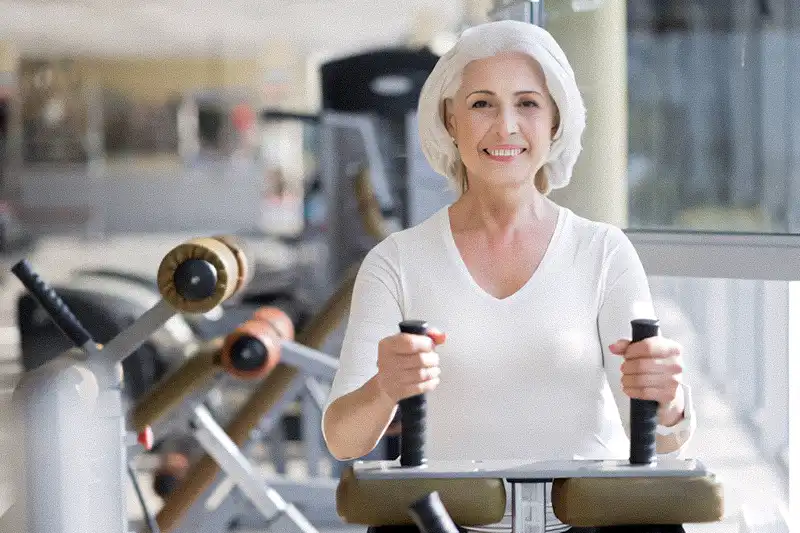
The menopause transition is exactly when most women give up and let age-related weight gain take over by default. They think you can’t fight Mother Nature. But that is a major mistake! Sure, managing your appetite gets tougher, and your body wants to store every single calorie. But there is a straightforward solution that actually works.
First, it is absolutely vital to up your daily protein intake, focusing on clean plant-based sources. You need it to keep your hard-earned muscle mass from melting away. Second, lifting light weights or hitting the gym isn’t just about looking good anymore—it is a non-negotiable requirement to protect your bone density. Strength training preserves your skeleton, wards off osteoporosis, and keeps chronic aches at bay.
The bottom line is: stop hunting for miracle weight loss pills. Take firm control of your daily plate, keep your body moving, and stop stressing over the number on your birth certificate.
My Opinion:
When I was diving deep into the science of age-related body changes and testing different fitness methods on myself in my thirties, it became crystal clear—standard cardio workouts and low-calorie diets just don’t cut it anymore. In my experience, without consistent strength training and a serious focus on dietary protein, the body simply refuses to stay lean, turning every minor carb indulgence into extra inches.
Advice from MODISTA
- Never drop your daily calorie intake below your basal metabolic rate, or your body will enter emergency starvation mode and completely halt weight loss.
- Swap those exhausting, sweaty treadmill sessions for targeted strength training with dumbbells or resistance bands to build fat-burning muscle tissue.
- Prioritize drinking plenty of clean water and getting rich dietary fiber with every single meal to support your gut and crush sudden hunger pangs.
How has your own metabolic rate shifted over the years? Have you noticed that maintaining your weight became a lot more challenging after a milestone birthday? Share this guide with your closest friends on social media or save these helpful wellness tips to your bookmarks to keep your fitness motivation alive!
ℹ️ REFERENCE
This guide on the physiological mechanics of human metabolism and age-related muscle tissue decline (sarcopenia) is built upon long-term clinical data and verified medical consensus documented in the global open encyclopedia. To explore the deeper biochemical processes of the aging human body further, check out the official Wikipedia page 🌐.
Age-Related Metabolism Blueprint:
Important for our readers
All materials on the MODISTA website regarding health and medical topics are for informational purposes only. We strive to share useful information, but it does not constitute medical advice. Any recommendations, especially regarding treatment or medication use, must be provided solely by a qualified specialist. If you feel unwell, please be sure to consult a doctor.