



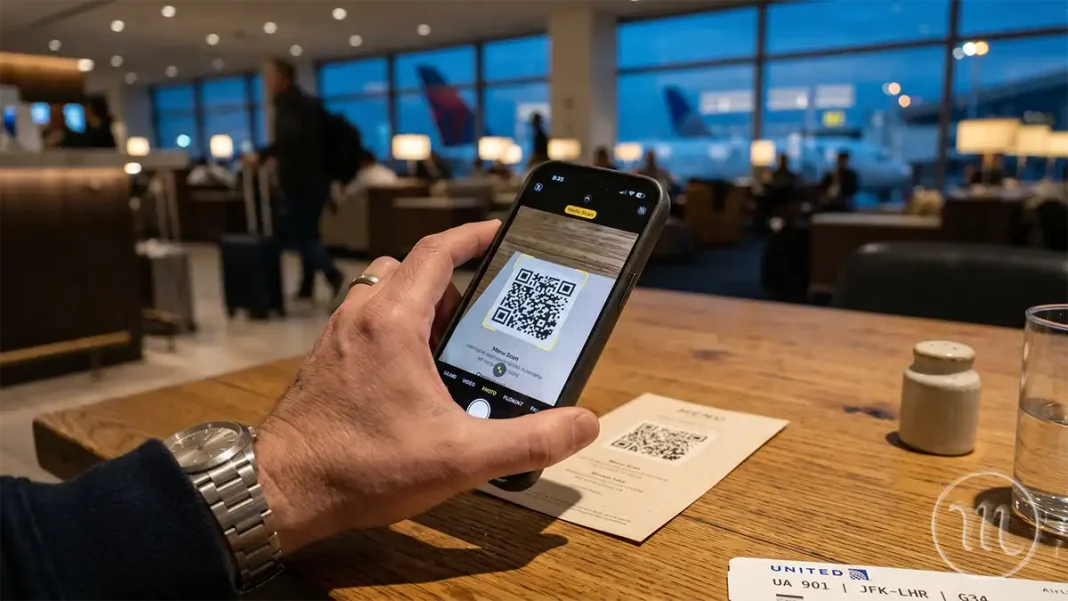
- • The everyday digital habit that has become a major vulnerability for millions of tourists.
- • Why scanning a simple restaurant menu could instantly drain your bank account through a new scam.
- • A breakdown of the top digital security blunders vacationers make at airports and hotels.
- • Actionable, expert-backed steps to keep your hard-earned money safe while away.
Read in another language:
With summer vacation season just around the corner, millions of eager travelers are gearing up for well-deserved getaways, booking flights, and mapping out dream itineraries. However, a startling new report from cybersecurity giant McAfee reveals that travelers are exposing themselves to severe, completely avoidable risks the moment they step out the front door. Experts are sounding the alarm: as rising vacation costs pinch wallets, travelers are dropping their guard—and digital scammers are taking full advantage, reports MODISTA.
Skyrocketing prices for accommodations and transit are pushing tourists to hunt down the best possible deals, flash sales, and discounts. That’s exactly where the traps come in—think sophisticated booking confirmations and incredibly alluring, yet totally fake, promo codes. Fraudsters are masterfully disguising their messages as top-tier travel brands, leveraging advanced artificial intelligence to launch these deceptive schemes instantly, on a massive scale, and with terrifying precision.
The Ultimate Vacation Traps to Watch Out For
Abhishek Karnik, Head of Threat Research at McAfee, officially noted that travel costs are surging year after year, fundamentally shifting consumer behavior and decision-making. When prices sting and hotel availability evaporates, panic sets in, and people act impulsively. Scam artists feast on this psychological pressure, mimicking notifications from household brands that consumers trust implicitly. Thanks to AI, these digital traps look entirely flawless, causing even the most tech-savvy individuals to lose their footing.
A massive survey of 6,000 travelers shed light on just how easily people are opening the door for cybercriminals. The most widespread blunder turned out to be incredibly common—a whopping 63% of respondents admitted to regularly logging onto free public Wi-Fi networks while traveling. Because these open networks generally lack encryption, any sensitive information—including email passwords, social media credentials, and even your credit card details—becomes incredibly easy for hackers to intercept.
Підписуйтесь, щоб не пропустити нічого цікавого! | Follow us so you don't miss anything interesting! | Subskrybuj, aby nie przegapić niczego ciekawego!
The next major threat is hot on its heels. Around 62% of vacationers don’t hesitate to scan random QR codes while exploring. Experts are warning against the explosive rise of “quishing”—a dangerous twist on traditional phishing. Criminals are swapping out legitimate QR codes at restaurants, bus stops, and hotel front desks, instantly redirecting unsuspecting users to copycat websites engineered to harvest data.
To make matters worse, analysts mapped out a detailed anti-ranking of other risky behaviors threatening digital security on vacation:
- Logging onto free Wi-Fi inside airport terminals — 49%;
- Blindly trusting text alerts allegedly sent by airlines or hotels without double-checking — 41%;
- Accessing mobile banking apps and financial services over open public networks — 22%;
- Clicking sketchy, travel-related links without verifying the original source — 20%;
- Posting travel plans, live locations, and photos of boarding passes to social media in real-time — 22%;
- Accessing personal profiles using shared or public hotel computers — 15%.
To safeguard your savings and ensure complete peace of mind during your long-awaited relaxation, security pros strongly urge making all bookings and transactions strictly through official carrier websites and established hotel chains. It’s vital to stay skeptical of offers that look impossibly cheap or intentionally manufacture a false sense of urgency.
MY OPINION:
Using a verified, secure VPN service whenever you travel is an absolute must-have shield for your digital life.
Advice from MODISTA
- Always rely on cellular data instead of public Wi-Fi whenever you’re checking your bank accounts or typing in sensitive passwords.
- Before scanning any QR code in public, inspect the physical sticker to ensure it hasn’t been tampered with or pasted over a malicious link.
- Download and set up a reliable VPN app on your smartphone before leaving home so your web traffic is encrypted from day one.
Do you connect to open airport Wi-Fi while waiting for your flight, or do you stick strictly to cellular data? Share this eye-opening guide with a girlfriend who is busy packing her bags for summer vacation!
MODISTA Daily MODISTA Daily MODISTA Daily
ℹ️ REFERENCE
McAfee is a world-renowned American cybersecurity software company specializing in data protection and digital security solutions. Founded in 1987, it remains a global leader in antivirus protection and proactive threat analysis, keeping millions of digital consumers safe worldwide. 🌐