



- • The hidden trick to rescue cucumber vines from early yellowing.
- • A potent homemade brew recipe to banish potato beetles and aphids.
- • How to safeguard seedlings and root crops directly in the planting holes.
- • An unexpected hack for keeping apples, pears, and root vegetables fresh all winter.
Read in another language:
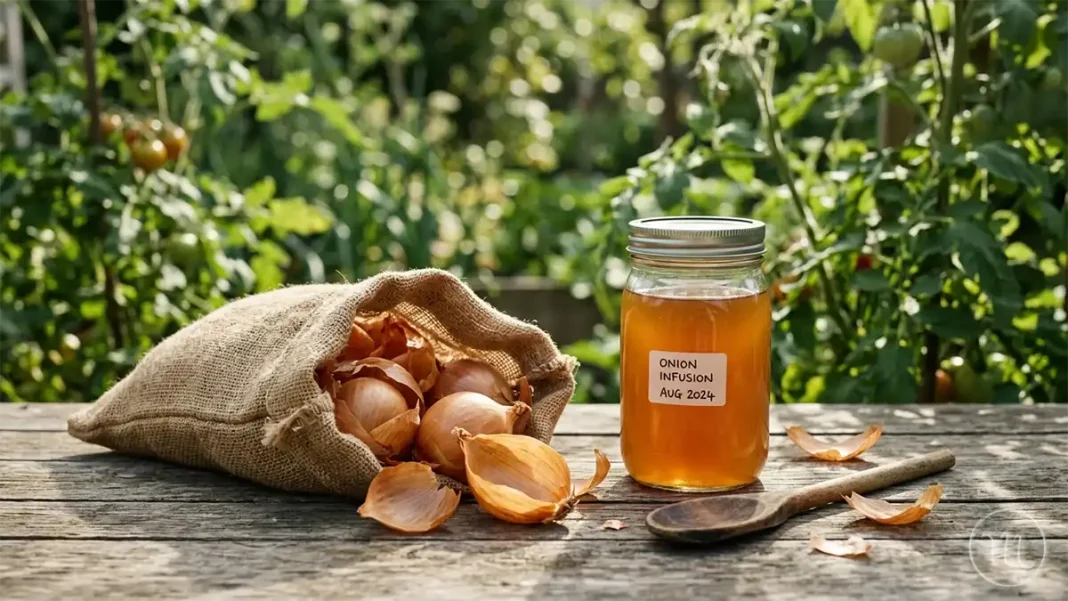
Over the long winter months, every household goes through quite a bit of onions. After all, it’s hard to imagine juicy meatballs, aromatic soups, fresh salads, or comforting homemade pies without them. Typically, the golden papery skins of this vegetable are mindlessly tossed straight into the trash can. However, seasoned gardeners know that this free product can easily replace a whole bunch of expensive, store-bought chemicals. Those golden skins are actually a powerhouse of vitamins, phytonutrients, and essential minerals that work miracles to boost your garden harvest, shield your plants from dangerous diseases, and banish stubborn pests, reports MODISTA.
The golden rule for successfully tapping into this natural treasure trove is proper harvesting. The skins must be completely dry, clean, and free from any signs of rot or mold. It is best to store them in cardboard boxes, paper bags, glass jars, or classic breathable cloth sacks. Stashing them away all winter long will save you serious money when spring and summer roll around and the busy gardening season kicks into high gear.
Many people have absolutely no clue just how versatile this natural element is when it comes to yard care. The phytonutrients packed inside the onion layers effectively fight off harmful soil pathogens without harming beneficial insects or the surrounding ecosystem. Even better, this eco-friendly approach allows you to grow a completely clean garden harvest without chemical buildup in your produce. Let’s dive into the time-tested gardening hacks that will take your plant care game to a whole new level.
Effective Hacks For Using Onion Skins In The Garden And Orchard
1. Emergency revival for cucumber beds
When cucumber leaves start turning yellow en masse, it is a glaring distress signal pointing to a lack of nutrients or a microbial attack. To bring those vibrant, healthy green hues back to your garden plants, whip up a simple decoction. Grab two generous handfuls of the dry material, submerge them in 10 liters of clean water, and boil for about 5 minutes. Once the liquid cools down completely, strain it thoroughly. Spritz this nutrient-rich tonic heavily onto both sides of the leaves. Don’t throw away the leftover boiled mush either—it makes a fantastic antiseptic mulch for the root zone.
Підписуйтесь, щоб не пропустити нічого цікавого! | Follow us so you don't miss anything interesting! | Subskrybuj, aby nie przegapić niczego ciekawego!
2. Total pest control
To take down entire colonies of aphids, thrips, spider mites, and caterpillars, a concentrated infusion is your absolute best bet. Pack a standard bucket halfway with dry skins, then fill it to the brim with hot water. Let the mixture steep under a lid for exactly 24 hours. Once strained, dilute the potent solution with clean water at a 1:1 ratio. This homemade remedy is also incredibly effective at keeping Colorado potato beetles off your eggplants and potatoes.
3. Knocking out the stealthy codling moth
The codling moth can easily ruin a massive chunk of your fruit harvest. Luckily, a warm onion infusion comes to the rescue once again. Treat your fruit trees right after the blooming phase wraps up. Make sure to pick a calm, clear evening when temperatures stay consistently above 15°C. Since moth flight lasts for quite a while, you’ll want to repeat this canopy-spraying routine every week throughout the high-risk season.
4. Natural disinfection during planting
To shield your future potato crop from wireworms and destructive nematodes, toss a handful of crushed or finely crumbled skins directly into each hole during spring planting. This clever gardening hack also works wonders when transplanting tomato seedlings, peppers, or ornamental flowers into open soil. The onion compounds sanitize the earth around tender young roots, forming a protective barrier against underground pests and root rot.
5. Potent feeding for maximum growth
To stimulate overall plant development, amp up their immunity, and elevate the flavor profile of your crops, use this all-purpose plant food. It takes a little longer to brew: place about 20 grams of the dry golden material into a 10-liter bucket, fill with warm water, and close the lid tightly. Let it sit in a dark spot for 4 to 5 days. After straining, you are left with a micronutrient-packed elixir perfect for root watering or standard foliar feeding with a garden sprayer.
6. The secret to long-term harvest storage
When autumn arrives, the dried material becomes your absolute best friend in the cellar or pantry. Grind or crush the dry mass finely. If you plan to store apples or pears in plastic bags, simply dust the fruit with this aromatic powder to keep them from shriveling. For carrots, beets, and other root crops, this method is a literal lifesaver against fungal diseases, gray rot, and mold all winter long.
Advice from MODISTA
- To help the onion infusion stick better to sleek plant leaves when spraying, always mix 20–30 grams of liquid or grated castile soap into the strained liquid.
- Always water and spray your garden crops exclusively in the early morning or late evening hours to avoid nasty sunburns on wet foliage from intense UV rays.
- Never use skins from bulbs that show obvious signs of thrip damage or disease, unless you want to accidentally spread an infection across your pristine garden beds.
Did you know about these incredible benefits of basic kitchen scraps, or are you still tossing them straight into the garbage? Save this handy article to your bookmarks or share it with your fellow plant-loving friends who definitely need these green gardening hacks for a spectacular harvest!
MODISTA Daily MODISTA Daily MODISTA Daily
ℹ️ REFERENCE
Onion skins are widely utilized in traditional wellness, beauty rituals, and agriculture due to their exceptionally high concentrations of quercetin, carotene, vitamins B, C, and E, as well as crucial minerals and phytonutrients. You can explore more detailed insights into the biological properties and benefits of this botanical crop for living organisms on the free encyclopedia pages. 🌐