




- • The unexpected biological reason why female bugs target human blood.
- • Three powerhouse plant ingredients that outperform store-bought aerosols.
- • Your step-by-step blueprint for mixing an all-natural protective mist at home.
- • Genius eco-friendly backyard tricks to keep flying pests away from your windows.
Read in another language:
As summer warmth rolls in, it brings along long, breezy evenings, outdoor hangs, and—unfortunately—those annoying mosquitoes whose relentless buzzing can instantly ruin a perfectly chic patio vibe. Most of us instinctively reach for standard store-bought bug sprays without a second thought about what’s actually inside the bottle. But here’s the thing: the aggressive synthetic chemicals packed into commercial repellents frequently trigger sudden skin allergies, irritate your lungs, and take a serious toll on the environment. Luckily, you can reclaim your summer sanctuary and keep your family totally safe using clean, plant-based alternatives that work like an absolute charm while remaining completely body-friendly, reports MODISTA.
Nature has already done the heavy lifting for us, creating potent botanical extracts that act as an invisible, foolproof shield against pests. In this guide, we’re breaking down exactly how to whip up a highly effective DIY repellent using simple, accessible ingredients you probably already have in your cabinets. You’ll discover the incredible hidden powers of everyday plants, the styling benefits of essential oils, and the easy steps needed to build a flawless line of defense against winged intruders. Say goodbye to constant scratching and breathing in toxic fumes—it’s time to switch to a clean, eco-chic, and incredibly fragrant way to protect your skin.
The Real Reason Bugs Are Targeting You
Despite their microscopic size and irritating hum, these insects are more than just a backyard nuisance—they can also be sneaky carriers of unwanted infections. But why do humans seem to be their absolute favorite target? According to renowned biologist Dr. Janez Novak, it all comes down to basic reproductive instincts. Only female mosquitoes bite, as they critically require specific proteins and iron found in mammalian blood to develop and lay viable eggs. Without this nutrient-rich cocktail, their lifecycle simply halts.
For the insects, it’s strictly a matter of survival, even if their bite leaves us dealing with days of relentless itching. While these creatures play an important role in the broader ecosystem by feeding birds and frogs, protecting your body from their attacks is still a wellness priority. Setting up a timely barrier doesn’t just guarantee a peaceful evening outdoors—it also safeguards your skin from hyper-reactive allergic flares and microscopic irritation.
Підписуйтесь, щоб не пропустити нічого цікавого! | Follow us so you don't miss anything interesting! | Subskrybuj, aby nie przegapić niczego ciekawego!
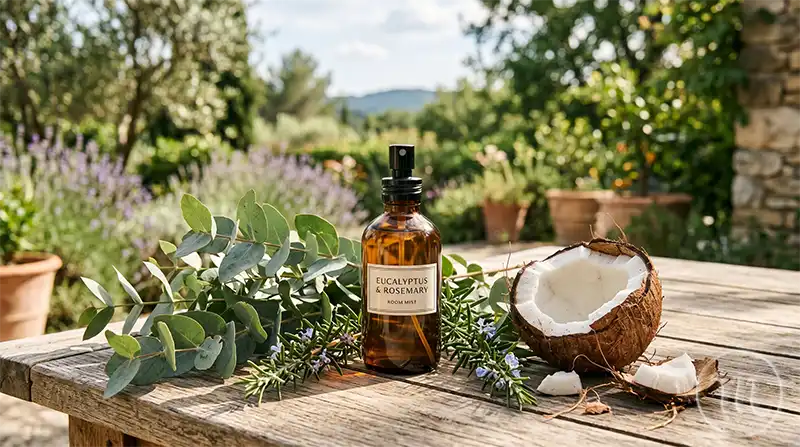
How to Craft Your Own Botanical Defense Mist
Eucalyptus: The Ultra-Fresh Invisible Shield
This botanical favorite is famous for its crisp wellness benefits, but it also happens to be a mortal enemy to flying insects. The secret lies in a powerhouse organic compound called cineole hidden within the leaves. This component boasts a sharp, distinct aroma that completely confuses mosquitoes, effectively jamming the olfactory receptors they use to track you down.
Mixing up a protective mist with this ingredient is incredibly easy to do at home:
- Grab a small, clean fine-mist spray bottle.
- Pour in about 100 ml of distilled or boiled water.
- Add 10–15 drops of pure eucalyptus essential oil.
- Give it a vigorous shake before every single use.
You can safely spritz this aromatic blend around your living room, mist it onto curtains and linens, or spray a light cloud directly onto exposed skin before heading out for a sunset stroll.
Rosemary: A Herbal Shield for Cozy Nights
A classic culinary staple we love tossing with roasted veggies can also double as a serious weapon against persistent buzzing. Rosemary is packed with highly concentrated essential oils that force pests to keep their distance. Trust me on this—it’s the perfect alternative if you prefer warm, earthy, and slightly woodsy scents over sweet florals.
To brew this rich herbal infusion, just follow these simple steps:
- Steep a few fresh sprigs (or two tablespoons of dried rosemary) in a cup of boiling water.
- Cover and let it cool completely, then strain the liquid through cheesecloth.
- To level up its power, stir in 5 drops of pure rosemary essential oil.
Press this natural toner onto your skin using a cotton round, or spritz it across your balcony or terrace while lounging outside.
Coconut: Deep Nourishment Meets Barrier Protection
If you’re hunting for a remedy that wards off bugs while giving your skin a gorgeous, hydrated glow, pure coconut oil makes the ultimate base. It naturally contains unique fatty acids that form an ultra-thin, unnoticeable film over your body. This botanical barrier makes it tough for insects to bite while deeply soothing skin that’s been out in the sun all day.
How to blend your own cream repellent:
- Gently melt 2–3 tablespoons of unrefined coconut oil until it’s completely liquid.
- Mix in a few drops of lavender or citronella essential oil to supercharge the blend.
- Stir well and let the mixture solidify slightly into a smooth balm.
Massage this luxurious, scented oil blend into your arms and legs before stepping outside. It’s high-end skin care and dependable protection rolled into one chic jar.
Pro Tricks to Keep Your Entire Home Pest-Free
Aside from applying your homemade mists, it’s smart to tackle the bug population around your living space at the source. The absolute number one rule is securing proper drainage and hunting down any standing water. Mosquitoes are obsessed with moisture; an overlooked bucket of rainwater, a small puddle by the hose, or an old planter can quickly become a prime breeding ground. Check your yard regularly and dump those containers out.
You can also create a series of “living shields” by styling your windowsills, balconies, and garden paths with natural pest-repelling plants. Try adding these chic varieties to your collection:
- Citronella (features a bright, punchy citrus scent that masks human aromas flawlessly).
- Basil (its sharp, fresh compounds keep bugs several feet away).
- Sage (works beautifully as a potted plant, or you can toss dried bundles into a fire pit during evening gatherings).
Combining these effortless, eco-friendly strategies lets you fully enjoy sweet summer days and fresh air with zero discomfort.
Switching to botanical remedies isn’t just a green trend—it’s a genuine upgrade for your personal wellness. Homemade sprays crafted from eucalyptus or rosemary work beautifully without exposing your body to synthetic toxins. Give this method a shot just once, and you’ll never want to go back to chemical aerosols again.
My Opinion:
I truly believe that opting for botanical repellents is the ultimate way to care for your family’s well-being. Why inhale harsh chemical sprays when basic eucalyptus and lavender essential oils can build an absolute shield against pests while smelling completely luxurious? It’s simple, affordable, and incredibly kind to your skin!
Advice from MODISTA
- Always patch-test your homemade blends on a small spot (like your inner elbow) before full application to make sure your skin doesn’t react to the concentrated essential oils.
- Invest in 100% pure, premium essential oils—cheap synthetic fragrance oils lack the actual chemical properties needed to repel bugs and can trigger a headache.
- Reapply your botanical mist every two hours, because natural ingredients and plant vapors evaporate much quicker than heavy synthetic chemicals.
Have you already traded chemical sprays for pure plant oils during your summer hangouts? Bookmark this recipe so you don’t lose the perfect eucalyptus spray ratios, or share this link with your friends in our Telegram channel who are completely over dealing with midnight mosquito battles!
MODISTA Daily MODISTA Daily MODISTA Daily
ℹ️ REFERENCE
The primary insights regarding insect biology and green defense methods are derived from environmental studies and practical home-care guidelines from European lifestyle publications. To learn more about how botanical extracts interact with pest receptors, explore the official resources dedicated to sustainable household management and natural wellness solutions 🌐.