



In this article, you’ll learn:
- How to turn coffee-waiting time into a perfectly clean kitchen.
- Why psychologists think habit stacking is great for your mental health.
- Which household cycles are best for quick tidying.
- How to avoid turning your life into a non-stop cleaning marathon and keep your balance.
Most of us don’t have trouble figuring out how to clean — the real struggle is finding the motivation to actually start the process. Luckily, there are plenty of hacks designed to give us that extra push. You might’ve heard of the “one song” method or the daily ten-minute home reset. But today, the spotlight is on a new strategy that’s quickly gaining popularity and promises to be your reliable household sidekick.
The Idle Cleaning method is a genius concept based on pairing ongoing tasks with short waiting gaps. I’ve noticed that this approach doesn’t just save time; it helps maintain momentum when you’re already in an active state. Experts unanimously agree that it’s one of the smartest ways to structure your day without feeling the pressure of a massive deep clean. I’ve explored exactly how this method works in practice and why it’s considered highly sustainable for the long run.
What Is the Idle Cleaning Method and How Does It Work?
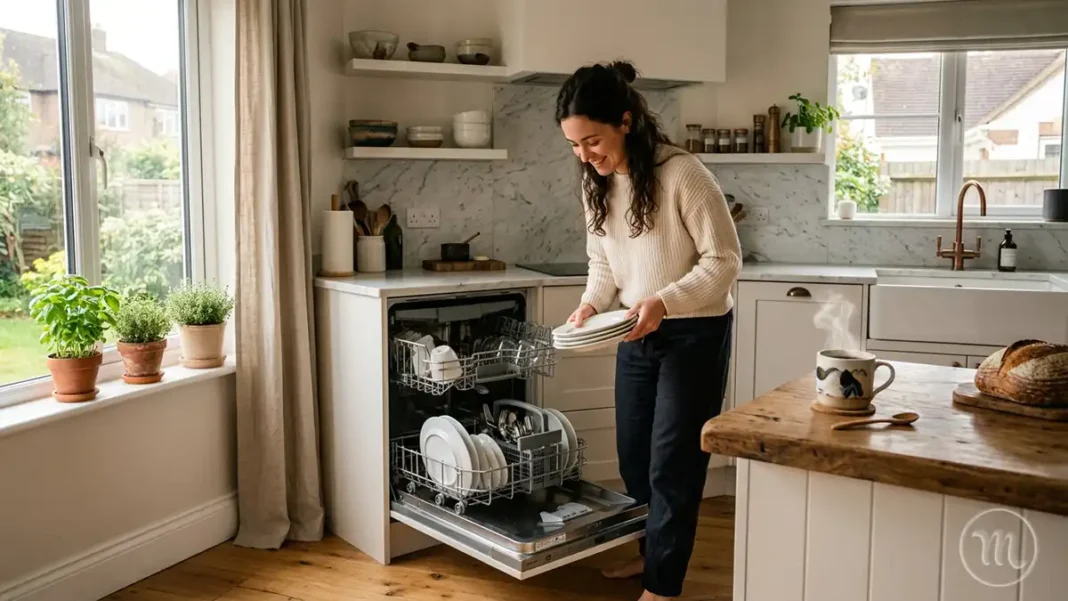
The core of the method is maximizing your time by tackling small tasks while you wait for another process to finish. For example, you could start unloading the dishwasher while your morning coffee brews, or fold some clean laundry while you’re on hold waiting for a customer service rep. This doesn’t mean you should be cleaning every single second of your free time — sometimes you just need to relax, and that’s totally fair. But if you’ve got the energy, why not use that moment instead of aimlessly scrolling through your phone?
As Angelia York, a professional organizer and VP at Saint Louis Closet Co., points out, this method is one of the most viable because it works with your routine, not against it. She emphasizes that most people don’t struggle with knowing how to organize a space, but they fight for the time and energy to maintain that order every day. Idle Cleaning solves exactly that by integrating tiny actions into your usual schedule.
Підписуйтесь, щоб не пропустити нічого цікавого! | Follow us so you don't miss anything interesting! | Subskrybuj, aby nie przegapić niczego ciekawego!
The Best Opportunities for a Quick Clean
The most unobvious opportunities for “idle cleaning” pop up when you’re already standing around waiting. I’ve broken down a few ideas from Angelia York to help you get oriented:
- In the kitchen: while the microwave, oven, or coffee maker is running, or while you’re just waiting for the kettle to boil.
- In the bathroom: while your hair stylers are heating up or while the shower water is getting warm.
- Laundry: when the wash cycle is winding down, especially in the last few minutes of the machine’s run.
- Phone time: while waiting on hold or listening to info on speakerphone.
This multitasking approach removes barriers and uses your own impulse. It’s a simple way to include mini “resets” in your day, which Ashley Murphy, co-founder of NEAT Method and author of The NEAT Method Organizing Recipe Book, says is the best way to keep a home clean. Nobody wants to spend hours on end doing exhausting cleaning; it’s much easier to tidy up here and there in small doses.
The Psychological Effect and Mood Impact
From a habit-forming perspective, linking two behaviors together can be incredibly beneficial. Licensed psychologist Ann Josephson explains that this allows you to complete tasks you might never otherwise get to. It helps us feel more organized and calm. Plus, taking care of your space naturally reduces anxiety and stress. When there’s order around us, we feel a sense of accomplishment, and a peaceful environment fosters internal harmony.
However, it’s important to keep the risks in mind. The main danger of Idle Cleaning is that you might never allow yourself to stop and slow down. Dr. Josephson advises not to push yourself too hard so that cleaning doesn’t turn into a second full-time job. Everyone has responsibilities, but it’s important not to turn them into a cult.
So, if you’re not feeling inspired and just want to “tune out” for a few minutes — that’s perfectly fine. But if you have the urge to get your hands busy, Idle Cleaning will be your perfect tool for creating coziness without the extra effort.
MY OPINION:
I often notice that it’s not the cleaning itself that exhausts us, but the thought of it. The Idle Cleaning method is a real find for those who value their time and want to see their home tidy without grueling mop-marathons. My tip: try starting in the kitchen during your morning coffee, and you’ll be surprised how much easier it becomes to keep things in order throughout the day.
Advice from MODISTA
- Start with the smallest tasks that take no more than 2–3 minutes.
- Don’t force it — if you’re feeling tired, it’s better to just rest.
- Use the timer on kitchen appliances as a signal to wrap up your micro-clean.
Do you have your own secret quick-cleaning methods that save you during the week? Share this article with a friend who could also use a bit more free time and fewer household worries!
ℹ️ REFERENCE
Real Simple is a well-known American publication and lifestyle brand specializing in practical advice on home organization, health, cooking, and emotional well-being. This article is based on materials from Real Simple, where home organization experts and psychologists share their experience in implementing effective household habits. 🌐