



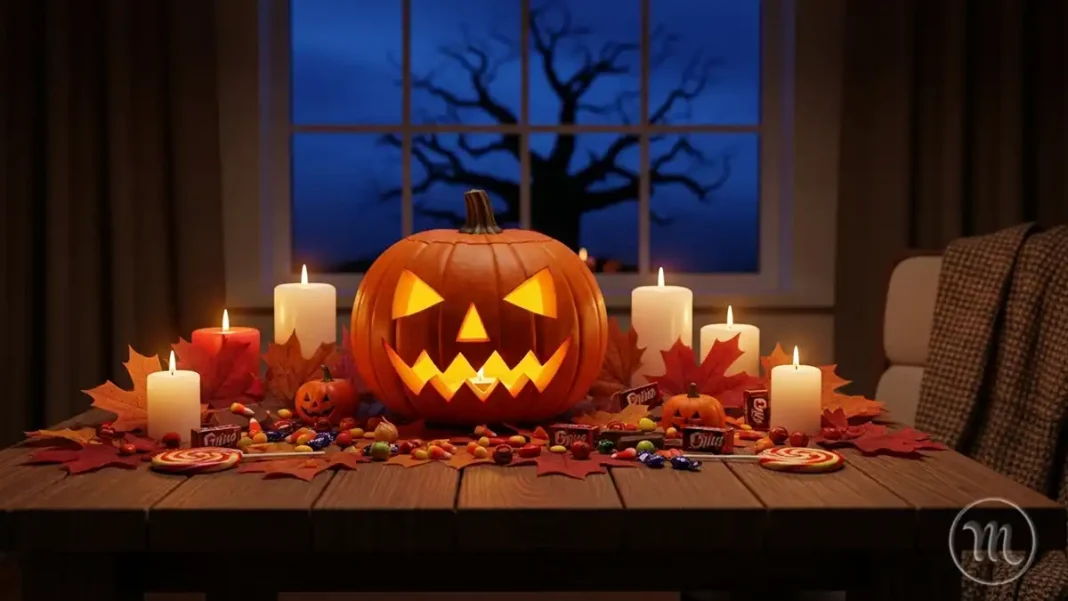
Autumn is traditionally associated with harvesting, coziness, and preparation for winter sleep. However, in recent decades, one bright, slightly eerie element has been increasingly added to this picture — Halloween. What was once an exclusive attribute of the English-speaking world has now captured Ukraine, turning from a youth diversion into an event for all generations.
In 2025, the holiday date, October 31st, falls on a Friday. This is the perfect time to dress up in something unusual, carve an ominous pumpkin lantern, and, ultimately, just have fun. But do we know what lies behind this carnival? And should we, as Ukrainians, participate in it, especially in the current realities?
Halloween: From the Depths of Celtic History to Our Days
We often perceive Halloween as a “foreign,” purely American holiday. But its roots go much deeper — all the way back to the ancient Celts. They had their New Year, called Samhain. This day marked not only the end of the harvest but also the symbolic transition from the light, warm part of the year to the dark one.
The Celts believed that it was on the night of November 1st, when the world paused before winter, that the veil between the world of the living and the dead became thinnest. This was the night when spirits, evil forces, or just ghosts could freely roam among people. To protect themselves from uninvited guests or to throw them off track, people lit huge bonfires and dressed up in masks and bizarre costumes. This was a kind of talisman and disguise. Later, when Christianity arrived, this pagan Samhain overlapped with the Christian All Hallows’ Eve — and that is how the name Halloween originated.
A Set of Traditions: From the Lantern to “Trick or Treat”
Today, Halloween has significantly transformed. It has become a fun, mass event where mystical fear gives way to creativity and humour. What traditions have become its permanent attributes?
Підписуйтесь, щоб не пропустити нічого цікавого! | Follow us so you don't miss anything interesting! | Subskrybuj, aby nie przegapić niczego ciekawego!
The Main Symbols of the Holiday That Have Captured Our Cities
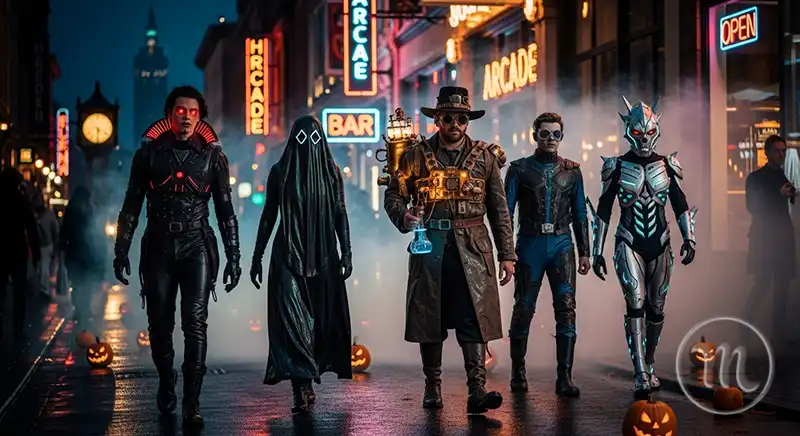
- Costumes and makeup. This is the brightest part. We see a whole palette of images: from classic eerie vampires and zombies to modern superheroes, memes, and pop culture characters. The more creative, the better!
- Jack-o’-lanterns. A carved pumpkin with an eerie or funny face and a candle inside is an unconditional symbol of the holiday. I personally believe that carving such a lantern is pure meditation and a great way to spend time with family.
- Trick or treat. Children (and sometimes adults!) go around houses with this cheerful exclamation, asking for sweets. This is probably the most favorite part for the little ones.
- Decorations. Spiderwebs, bats, skeletons, mysterious lighting — all this creates that same mysterious, slightly frightening atmosphere.
In Ukraine, this tradition has taken root wonderfully. More and more shopping centers, restaurants, schools, and even ordinary residential complexes organize themed parties, flash mobs, and design stylized photo zones. It has become a great reason to take a break from the routine.
Halloween and the Ukrainian Context: The Question of Appropriateness
Should a Ukrainian celebrate Halloween? This question causes a lot of controversy every year.
The Position of the Church and Orthodox Tradition
Representatives of the Orthodox Church of Ukraine (OCU) clearly explain: Halloween is not a church holiday, and the Orthodox tradition does not recognize it. At the same time, the Church does not issue a direct ban, leaving the decision to participate in the celebration to the discretion of each person. In fact, the Christian All Saints’ Day in Orthodoxy is celebrated in the summer — on the first Sunday after Pentecost, and in 2025 it fell on June 15th.
What About the Realities of Wartime?
This is perhaps the most sensitive moment. Today, Ukraine lives in conditions of full-scale war, and the celebration of any “eerie” themes should be approached with maximum caution and respect.
I think each of us must realize: the images of “horror” in costumes or decor can cause deep pain in those who have experienced real trauma — wounded defenders, families of the fallen, internally displaced persons. For them, these “toy” horrors can be an unacceptable reminder of the real war. Therefore, if you plan to celebrate, do so as delicately as possible, choosing neutral or humorous images, and avoiding excessive “eeriness,” especially in public spaces.
Is there anything similar in our culture?
It is fair to note that Halloween is not a complete “stranger” from a cultural perspective. Many nations around the world have days associated with mysticism, dressing up, and flirting with the “dark” side of beliefs.
Remember our own Ukrainian tradition of Malanka (Generous Evening, the night of December 31st)! This is a real theatrical performance with mummers, where people dressed up as various characters, including “evil forces” (devils, witches, death). It was a carnival full of humor, rituals, and folk satire. So, perhaps modern Halloween is simply a new, bright reinterpretation of our own, ancient carnival spirit.
Halloween is, without a doubt, one of the brightest holidays of autumn, bringing an element of play, creativity, and entertainment. We have every right to participate in this cultural tradition if it does not contradict our moral guidelines. But as a professional copywriter and simply a person, I believe that it should be celebrated wisely. If you decide to dress up in a costume and carve a lantern, do not forget the context in which we live. Let it be a holiday of light play and creativity, and not a deepening of trauma.