



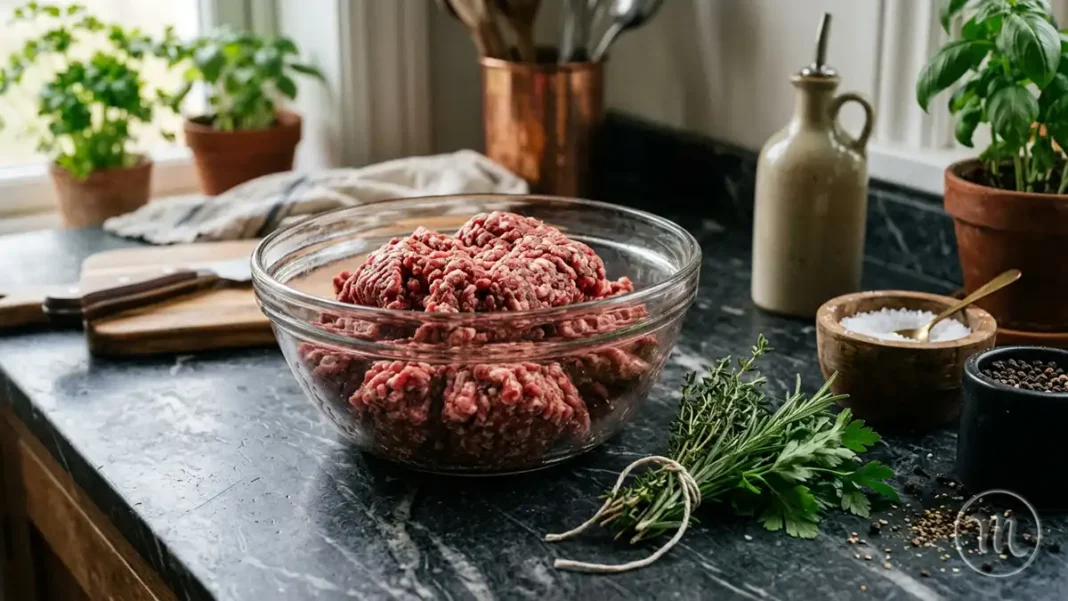
- •Why ground meat spoils significantly faster than a whole steak and the hidden dangers involved.
- •Three red flags that signal it’s time to toss your beef in the trash immediately.
- •The secret to perfect freezing: how to prep your product so it thaws in just minutes.
When you bought that appetizing package of ground beef at the start of the week, you were probably already dreaming of juicy burgers or a rich Bolognese sauce. But life happened: a late night at the office, a last-minute pizza order, or just zero energy for culinary exploits. Now, that beef has been languishing in the depths of your fridge for a few days, and you’re eyeing it with suspicion—cook it or trash it? I totally get it. Today, with quality meat prices being what they are, every wasted package feels like a hit to the wallet. But your family’s safety always comes first. Before you decide the fate of tonight’s dinner, I’m sharing everything I’ve learned from leading food safety experts, reports MODISTA.
How Long Ground Beef Actually Stays Safe
Usually, you have a very narrow “window of opportunity”—just one to two days from the moment of purchase. If the ground beef has sat in your fridge longer than that, experts strongly advise saying goodbye, even if it looks and smells decent. The USDA backs this up: ground beef should be stored at 40°F (about 4°C) or below for no more than two days. And when it comes time to cook, make sure you hit an internal temperature of 160°F (71°C)—that’s the critical threshold that guarantees kills off harmful bacteria.
Why the Shelf Life Is So Short
It all comes down to the production process. When beef is ground, any bacteria that were on the surface of the whole cut get mixed right into the entire mass. As Jorge Thomas, experienced butcher and founder of Swaledale Butchers explains, grinding dramatically increases the surface area of the product, creating the perfect playground for microorganisms to multiply. That’s why a juicy steak can be served medium-rare, but ground beef simply can’t—it requires full thermal processing. Darin Detwiler, a professor of food safety, emphasizes that ground beef should be treated as a high-risk, highly perishable item that needs to be used as quickly as possible.
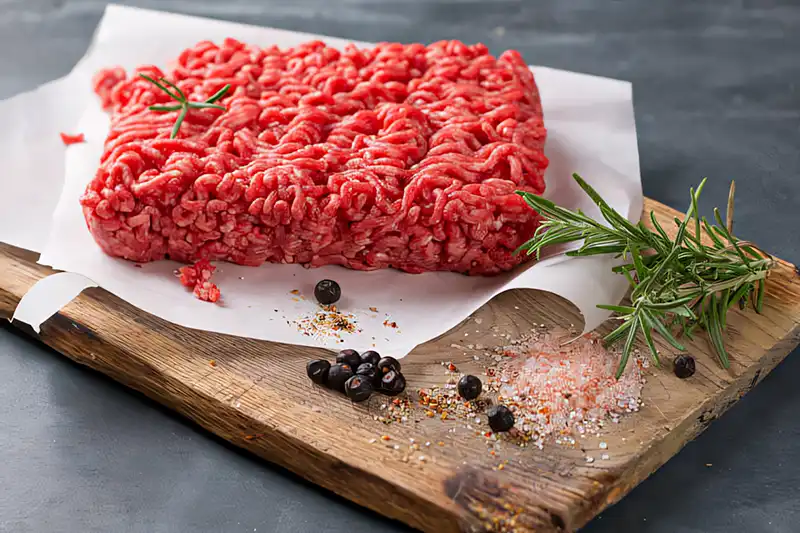
How to Spot Spoiled Meat
There are a few telltale signs that’ll let you know something is off. As Maria Dymka, I always rely on these three factors:
- An unpleasant or sour odor.
- A sticky or slimy texture (this is a sure sign of bacterial growth).
- A color change to gray or brown throughout the entire mass (though there are nuances here).
However, color isn’t always a dealbreaker. Jessica Lancaster, a meat quality expert, notes that ground beef is more sensitive to color shifts than steaks. Packaging, air contact, and temperature all affect the visuals. Meat color is complex and dynamic, so it’s not always a 100% indicator of spoilage. But remember: the biggest issue is that you can’t always see the enemy. Dangerous bacteria like E. coli can be present without any visible signs. Time and temperature are your best guides. If in doubt—throw it out.
Підписуйтесь, щоб не пропустити нічого цікавого! | Follow us so you don't miss anything interesting! | Subskrybuj, aby nie przegapić niczego ciekawego!
The Secrets to Perfect Storage and Shopping
To ensure your meat lasts as long as possible, keep it on the bottom shelf of the fridge, where it’s coldest. I always place the package on an extra plate or tray—this prevents any accidental meat juice leaks from contaminating other foods.
Your job starts at the store. Choose packaging that feels cold to the touch and isn’t damaged. Check the pack date and the expiration date. And a quick tip from me: if your drive home from the supermarket takes more than 30 minutes, definitely use an insulated bag, especially during the summer heat.
The Magic of Freezing and Thawing
If you realize you won’t get around to cooking that beef within 24–48 hours, the freezer is your best friend. In a frozen state, ground beef quality holds up for about 3–4 months. But don’t just toss the store pack in! Wrap it tightly in plastic wrap, put it in a heavy-duty freezer bag, or use a vacuum sealer. And always label it with the date.
MY OPINION:
My favorite chef-approved hack: before you put the bag in the freezer, flatten the meat out. Not only does it take up less space, but it thaws incredibly fast! And remember once and for all: only thaw in the fridge or in cold water. Never leave meat on the kitchen counter at room temperature—that’s a shortcut to a culinary disaster.
Advice from MODISTA
- Always use a meat thermometer: for ground beef, the target temperature is 160°F (71°C) in the center of the dish.
- If you’re making burgers, insert the thermometer through the side so the tip reaches the very center of the patty.
- Don’t buy ground beef in damaged packaging or with excessive liquid in the tray—that’s a sign of poor handling.
«How do you usually check if your meat is fresh—do you trust the date or your own nose? Share this article with a friend who always forgets what’s in their fridge!»
ℹ️ REFERENCE
The USDA (United States Department of Agriculture) is the federal agency responsible for developing and executing policy on farming, agriculture, and food. Their safety standards are considered among the strictest in the world. You can learn more about their food storage recommendations on their official website 🌐