



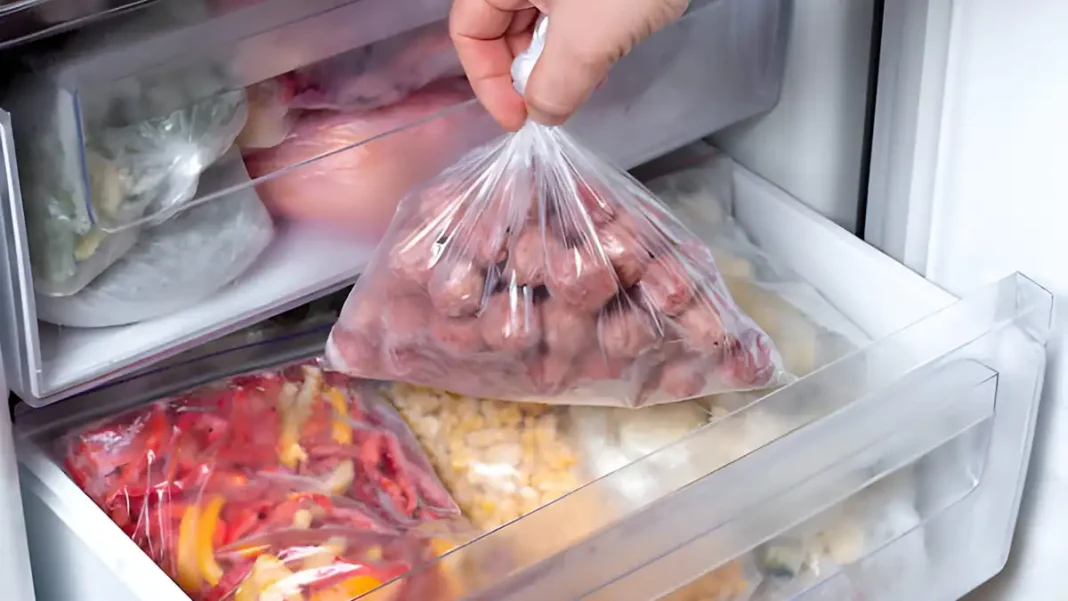
Indeed, there is no more convenient invention in the kitchen than the freezer. It is our faithful ally in the fight against food waste and an opportunity to stock up on favorite foods for a long time. It would seem that you just need to put the leftovers in the low-temperature compartment, and the problem is forgotten. However, my many years of experience working with texts about cooking and everyday life clearly confirmed: we often make the same mistake – we freeze what is strictly forbidden to freeze.
These products, after thawing, do not just become “not the same.” They lose their cellular structure, turn into a watery, layered mass, and sometimes even become potentially dangerous. We save time and money, but at the same time, we knowingly reduce the quality of the food we are then going to serve. Today, I suggest you figure out once and for all what exactly should not end up in your freezer, even if it seems like the ideal way to store it.
List of Prohibited Foods: What Not to Freeze to Avoid Ruining the Quality
Switching to “freezing” mode must be conscious. If you don’t want to be unpleasantly surprised when opening the container, check out the list of the most common mistakes made by hostesses.
Raw Eggs in the Shell
This is probably the most popular and most reckless mistake. We are used to eggs lasting a long time, but trying to place them in the shell in the freezer will result in trouble. The liquid inside, as is known, expands when frozen. The result? The shell cracks, and you get a non-sterile, damaged product. After thawing, the egg white becomes watery and absolutely unsuitable for use in usual recipes.
Our life hack: If there is an urgent need to freeze eggs, do it correctly: crack them, lightly beat them (or separate the yolks from the whites), and place them in an airtight container or ice cube tray.
Підписуйтесь, щоб не пропустити нічого цікавого! | Follow us so you don't miss anything interesting! | Subskrybuj, aby nie przegapić niczego ciekawego!
Soft and Delicate Cheeses
I know how tempting it is to buy a large piece of Brie, Camembert, Feta, Mozzarella, or Ricotta and send the excess to the freezer “for better times.” But don’t! These cheeses have a very delicate, soft structure and high moisture or fat content. Low temperatures destroy this delicate cellular network. After thawing, they become grainy, separate, lose their creaminess, and sometimes their signature aroma.
My advice: Buy soft cheeses in small portions that you can consume within a few days. Freshness is the key to quality for them.
Fruits and Vegetables with Excess Water
This includes our favorite seasonal products: cucumbers, watermelons, melons, apples (if frozen whole), and grapes. Why are they on this list? It’s simple: they consist of 90% water. When water freezes, it turns into crystals that mercilessly tear the cell walls. Thawed cucumbers or watermelon slices will turn into a sad, limp, watery mash, unsuitable for salads or slicing.
How to preserve summer? If you don’t want to lose vitamins, it’s better to dry such fruits or vegetables or make a puree for smoothies and then freeze it.
Salads Dressed with Mayonnaise or Sour Cream
Who among us has not been tempted after a big holiday to send the leftovers of Olivier or Herring Under a Fur Coat to the freezer? This is a real “culinary crime”! All these dressings, whether mayonnaise or sour cream, are emulsions. During freezing, they separate, the fat separates from the water, and the vegetables lose their firmness and texture. The taste of such a dish becomes vague, and often gives off bitterness.
Remember: Salads based on mayonnaise or sour cream are “here and now” dishes. Store them in the refrigerator for no more than a day, or better — prepare exactly as much as you can eat at one time.
Fermented Dairy Products
Yogurt, kefir, ryazhenka, sour cream — this entire “white army” of beneficial bacteria cannot tolerate deep freezing. After exposure to cold, these products turn into a lumpy, uneven mass. Moreover, low temperatures destroy a significant portion of the vital bacteria for the intestines. This means that by thawing kefir, you will not only get an unpleasant texture but also lose the lion’s share of its nutritional value and benefits.
Conclusion: If a product is positioned as a source of probiotics, it should be consumed exclusively fresh.
Desserts Based on Cream
Cakes, pastries, eclairs containing butter, custard, or cream cheese — this is another “forbidden fruit” for the freezer. The moisture from the cream and biscuit creates condensate during freezing. The thawed biscuit will become limp and wet, and the cream, as in the case of mayonnaise, will simply separate. The taste will be spoiled, and the aesthetic appearance will be lost forever.
Proper storage: If you need to store a cake, keep it in the refrigerator, not the freezer.
Quality is More Important Than Saving Space
We often forget: storage is not just postponing the moment when a product spoils. It is about preserving its original quality, taste, and benefits. Why store something that will turn into an inedible mass after thawing? I hope this list will help you review your habits and keep only those products in your kitchen that will be fresh, tasty, and beneficial. It is better to cook in smaller portions than to freeze what cannot withstand the cold.