



In this article, you’ll learn:
- Why parental alienation is equated to psychological abuse.
- Hidden signs that indicate a child is being manipulated.
- The tragic long-term consequences of losing a bond with a father or mother in adulthood.
- 7 strategies for parents to help preserve a child’s mental health during a divorce.
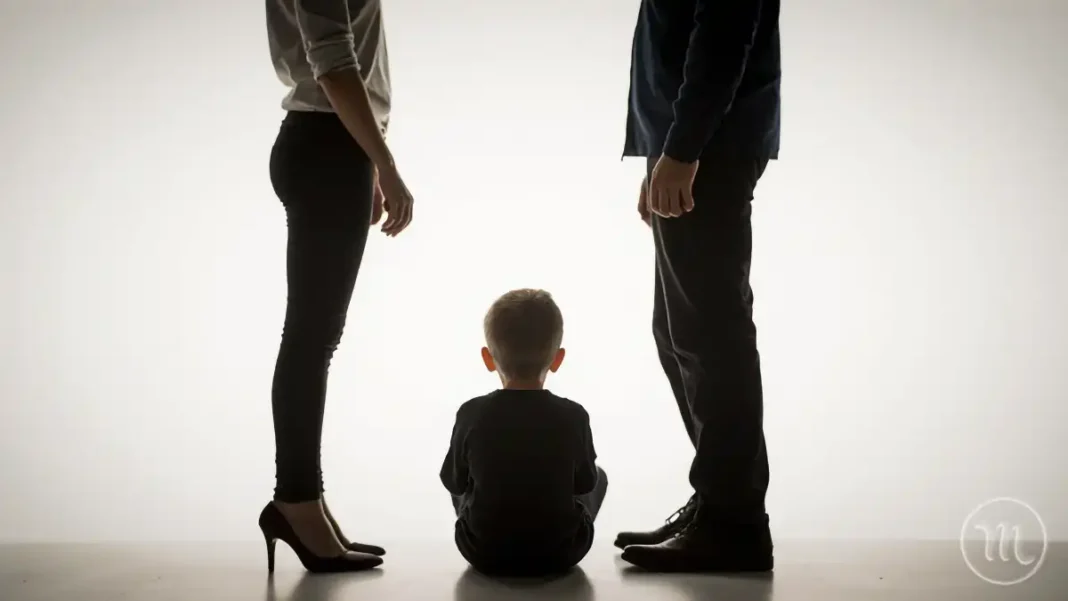
Breakups are always painful, but when they turn into a full-scale war where the child becomes a hostage, we face a phenomenon psychologists call parental alienation. This isn’t just family drama; it’s a subtle, often unconscious manipulation where one parent turns the child against the other. Unfortunately, I often see how adults, in their anger, forget that a child’s heart can’t be torn in half without severe psychological consequences, reports MODISTA.
I’ve researched this issue through the lens of modern psychological studies from 2026, and I have to say: the situation resembles a silent epidemic. Parental alienation is a child’s or teenager’s refusal to communicate with a mom or dad due to the negative influence of the other parent. This creates incredible pressure on a child who’s already disoriented by the collapse of their familiar family model.
History of the Concept and the “Silent Epidemic” of Our Time
The term “Parental Alienation Syndrome” (PAS) entered the lexicon back in the 1980s thanks to American child psychiatrist Dr. Richard A. Gardner. He argued that children suffering from this syndrome become objects of “brainwashing” by one parent, leading to unjustified hatred toward the other. While this concept still sparks debate in legal circles, its destructive power is undeniable.
I’ve noticed that in modern scientific publications, particularly in Psychiatric Times (2022), authors Alan B. Blotcky and William Bernet place this phenomenon on par with physical and sexual abuse. Just imagine: statistics show that about 10 million adults have felt the effects of severe alienation from their own children. In the UK, this is already officially called a public health emergency, as parents who fall victim to such behavior often sink into deep depression and even have suicidal thoughts.
Підписуйтесь, щоб не пропустити нічого цікавого! | Follow us so you don't miss anything interesting! | Subskrybuj, aby nie przegapić niczego ciekawego!
Five Signs That a Child is Under the Influence of Manipulation
How do you know if it’s actual alienation rather than just a child’s temporary resentment? In 2022, a five-factor model was developed to diagnose this condition. I’ve highlighted the key points you should pay attention to:
- The child actively avoids and rejects one parent without objective reasons.
- There was previously a warm and loving relationship between them.
- There are no facts of actual abuse or neglect by the rejected parent.
- Behavior from the “favored” parent aimed at denigrating the other is clearly traceable.
- The child feels no guilt for their rudeness, invents weak arguments for hatred, and often refuses contact even with relatives (grandparents) from the “hostile” side.
Boom! And suddenly the child perceives one parent as “pure evil” and the other as an “ideal hero.” This black-and-white thinking is a classic sign of psychological pressure.
The Triangulation Trap and Its Dangers
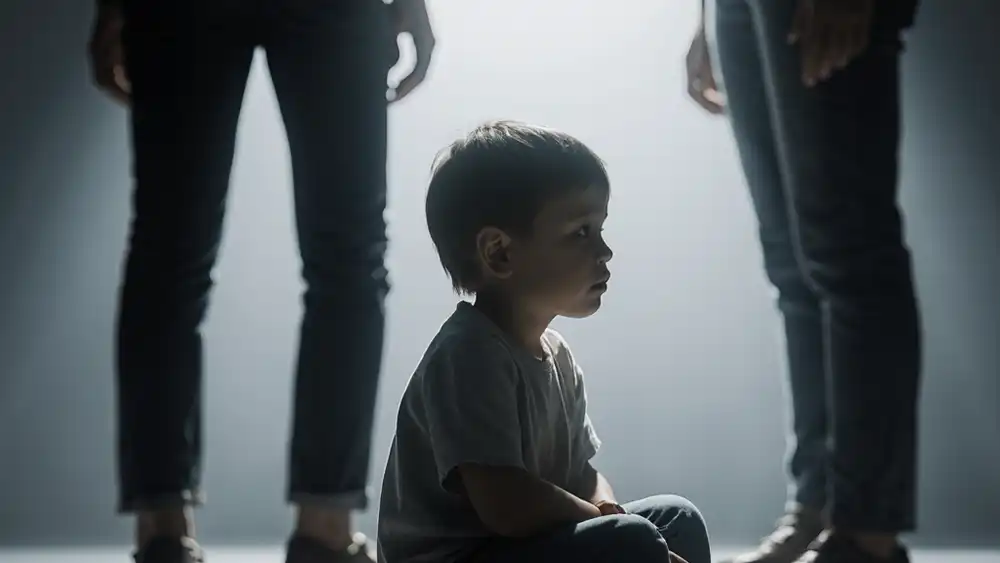
Triangulation in relationships is when two conflicting parties involve a third party to achieve their goals. In a divorce situation, children become this “third party.” Research shows they feel immense pressure: they’re forced to choose sides or provide emotional support to an adult who can’t handle their own feelings. When a parent uses a child as an emotional rug, the consequences last a lifetime.
Destructive Impact on the Child’s Future
We see the short-term consequences immediately: anger, confusion, guilt, and constant sadness. This leads to anxiety disorders and social isolation. But what awaits such a child ten or twenty years down the line?
I’ve looked into results from a recent survey of adults who experienced alienation as children. The list of problems is staggering:
- Eating disorders and depression.
- Post-traumatic stress disorder (PTSD).
- Proneness to addiction and self-harm.
- Total distrust of people and an inability to build their own relationships.
- The risk of repeating this scenario with their own children.
It’s a true cycle of pain passed down from generation to generation.
How to Part Ways Humanely: 7 Golden Rules
For couples in the heat of a conflict, I’ve prepared strategies to help minimize the damage. It’s hard, but it’s necessary.
- Pause and realize the situation. Awareness is the first step to correcting the course. Acknowledge that your relationship dynamics are currently toxic.
- Assess the consequences of escalation. Every scream or hidden insult toward your former partner is a blow to your child’s psyche.
- Set an intention to behave impeccably. Minimize the harm now so you don’t regret your actions years later.
- Remember respect. Your actions speak louder than words. Children watch how you show compassion (or the lack of it) during tough times.
- The bond with the child is priority #1. Don’t use time with your child to discuss problems with your ex-husband or wife.
- Choose lawyers and mediators wisely. Look for professionals focused on peaceful conflict resolution, not “war until the end.”
- Get psychological support. Therapy is needed for all family members to process grief and anger and move forward.
MY OPINION:
I’m convinced that the greatest display of love for a child during a divorce is the ability to leave your grievances at the door for the sake of their peace. Don’t let your pain become the cause of a trauma your child will carry throughout their life.
Advice from MODISTA
- Never force a child to choose who they love more — mom or dad.
- Create a safe space for the child where they can freely express their feelings for both parents without fear of being judged.
- If you feel you can’t cope with your emotions, be sure to see a specialist so you don’t “dump” your anger on the child.
Have you encountered situations where one parent became an “enemy” in the eyes of a child after a divorce? How did you manage to establish contact? Share this article with those going through a tough breakup — maybe these tips will save someone’s childhood.
Join our community where comments are open just for you!
ℹ️ REFERENCE
Psychology Today is a well-known American publication specializing in psychology and mental health, providing expert materials from leading professionals in the field. This article is based on research published in this resource, highlighting the seriousness of the parental alienation problem in modern society 🌐.