



In this article, you’ll learn:
- The secret to a tidy look: why even a wild garden needs a clear structure.
- Hidden threats: how dead trees destroy more than just aesthetics—they’re a safety hazard too.
- Alternatives to artificiality: what to use instead of plastic plants and rubber mulch.
- The art of camouflage: how to elegantly hide trash cans and AC units.
While landscape beauty is subjective, there are certain elements that guaranteed to turn a charming plot into visual chaos. I’ve seen which choices make neighbors look away, and I’m here to tell you how to avoid landscape disasters so your yard looks well-kept and stylish, reports MODISTA.
Overgrown Areas or the “Abandoned Jungle” Effect
When it comes to setting up the area in front of your house, everyone has their own preferences: some love a perfectly manicured lawn, some plant veggies in raised beds, and others turn the space into a blooming meadow. However, regardless of your taste, there are things that look bad everywhere.
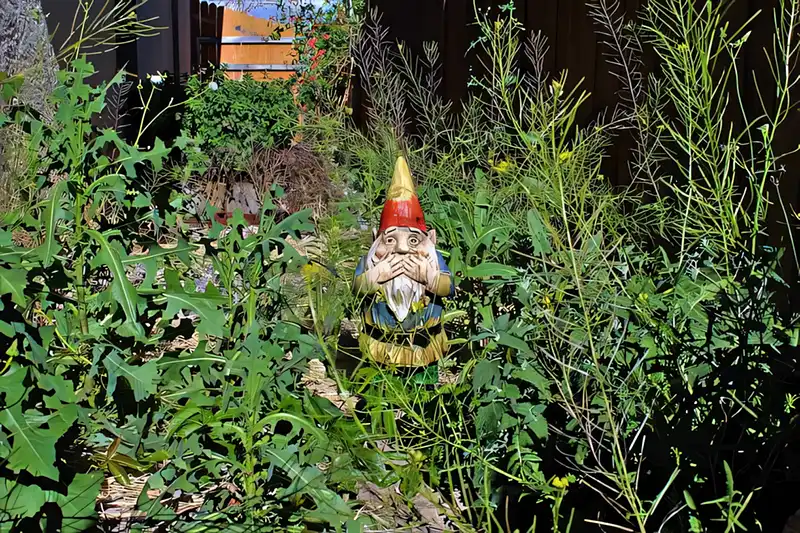
No matter the chosen style, an overgrown yard is always an anti-trend. I’m talking about waist-high weeds, vines chaotically strangling trees, and a gloomy landscape that makes passersby pick up their pace. It’s time to tame this “jungle” and restore order. A space that looks intentional and controlled commands respect rather than causing annoyance to those around you.
Dead Trees and Shrubs
Of course, you can’t always call a garden service instantly, but leaving dead plants in the foreground for a long time is a huge mistake. It’s not just ugly; it’s dangerous. A large dead tree can fall during a storm, damaging your roof or fence. Plus, dry wood near a building increases fire risk. Another crucial point: if a plant died from disease or pests, it can become a source of infection for the entire neighborhood.
Підписуйтесь, щоб не пропустити нічого цікавого! | Follow us so you don't miss anything interesting! | Subskrybuj, aby nie przegapić niczego ciekawego!
Weeds on Walkways and Driveways
Concrete and gravel lose their appeal as soon as grass starts poking through the cracks. It’s an eternal problem with hard surfaces, but you can keep it under control. Regularly repair concrete joints or fill seams with special mixtures. Using organic weed killers will help maintain tidiness where grass keeps popping up.
Artificial Outdoor Plants
It’s totally understandable that not everyone has a “green thumb” or time for finicky flowers. However, plastic imitations are a true visual fail. Most of them look cheap from the start, and over time they fade in the sun, getting covered in mold and dust. Instead of synthetics, it’s better to choose low-maintenance ornamental grasses or decorative shrubs that look natural with minimal effort.
Rubber Mulch and Its Pitfalls
Some people choose rubber mulch because it creates a soft surface and almost never decomposes. However, I’m definitely putting this material on the list of “aesthetic crimes.” Aside from the questionable look, shredded rubber can leak toxic substances into the soil, and on hot days, your yard will smell like scorching car tires. If you’re looking for a cover that doesn’t rot, stick with natural gravel.
Exposed Trash Cans and Utility Blocks
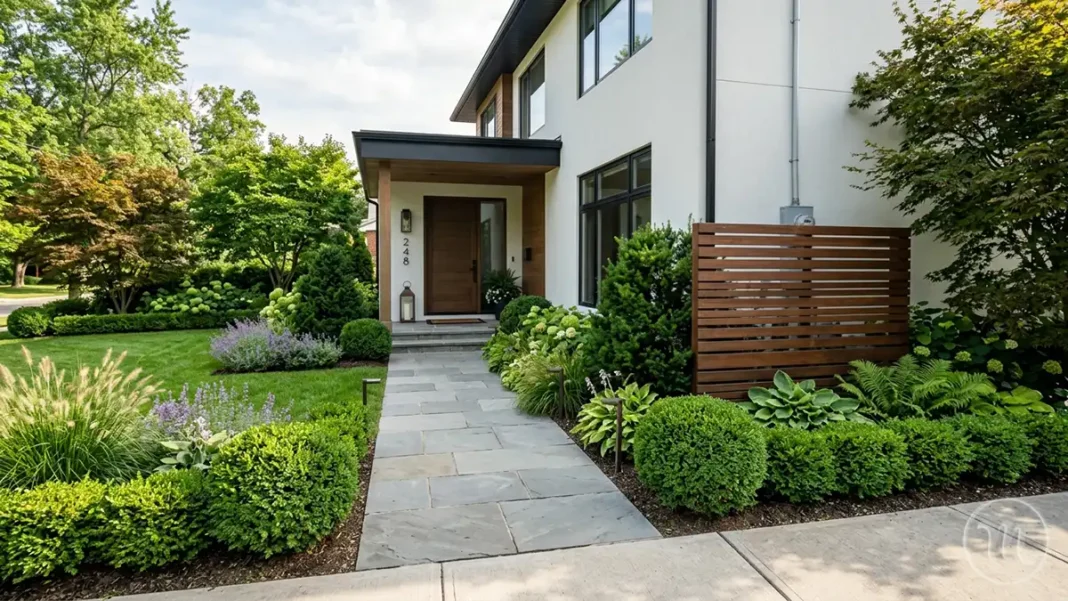
If your trash containers, AC units, or meters are visible from the street, it ruins the whole vibe of the home. Do yourself and your neighbors a favor—find a way to mask them. A small decorative trellis or a single section of a stylish fence can easily solve the problem. You can also plant evergreen shrubs to create a hedge around technical zones. It’s also a great way to hide garden hoses and wheelbarrows from prying eyes.
MY OPINION:
I often notice how a single plastic bush or faded mulch negates the effort of an expensive facade renovation. In my experience, it’s better to keep a minimalist lawn than to clutter the space with artificial elements or “trashy” decor. Trust me on this.
Advice from MODISTA
- Choose perennials native to your region—they look harmonious and require less work.
- Use natural materials (bark, stone) instead of synthetic covers.
- Conduct a “revision” of technical zones once a season to update masking screens in time.
What’s the first thing you notice when walking past neighbors’ houses? Share this article with friends who are currently planning to refresh their landscape design!
Join our community where comments are open just for you!
ℹ️ REFERENCE
Landscape design is the art and practical activity of greening and improving territories. Its main principles are harmony, functionality, and compliance with the regional ecosystem. You can learn more about the basics of garden design on specialized resources or on Wikipedia. 🌐