



- • Why focusing solely on numbers makes you ignore essential proteins, fats, and carbs.
- • How chasing a calorie minimum triggers a dangerous deficiency in vital vitamins.
- • The hidden culprit behind constant hunger and premature diet relapses.
- • The golden 80/20 rule and other secrets for sustainable results without health risks.
A calorie isn’t just a number on your smartphone app; it’s a measurement of the energy your body extracts from food. The basic law of thermodynamics sounds simple: consume more energy than you spend, and the weight goes up; consume less, and the scale moves down. It seems like the math for success is right in your pocket, but nutritionists are increasingly sounding the alarm, reports MODISTA.
When we turn our diet into a series of additions and subtractions, we risk losing something far more valuable than extra inches—our health. Focusing exclusively on the energy value of products while ignoring their quality is a dangerous strategy. Experts from the authoritative publication MH have analyzed the key issues that arise when calories become the only metric of your diet.
If calories are the foundation of your nutrition, then macronutrients (proteins, fats, and carbohydrates) are the walls and the roof. Each of these elements performs an irreplaceable function. Proteins provide the amino acids that build every cell in our body. Healthy fats regulate hormones and nervous system health, while carbohydrates provide us with quick energy and store glycogen for effective physical activity.
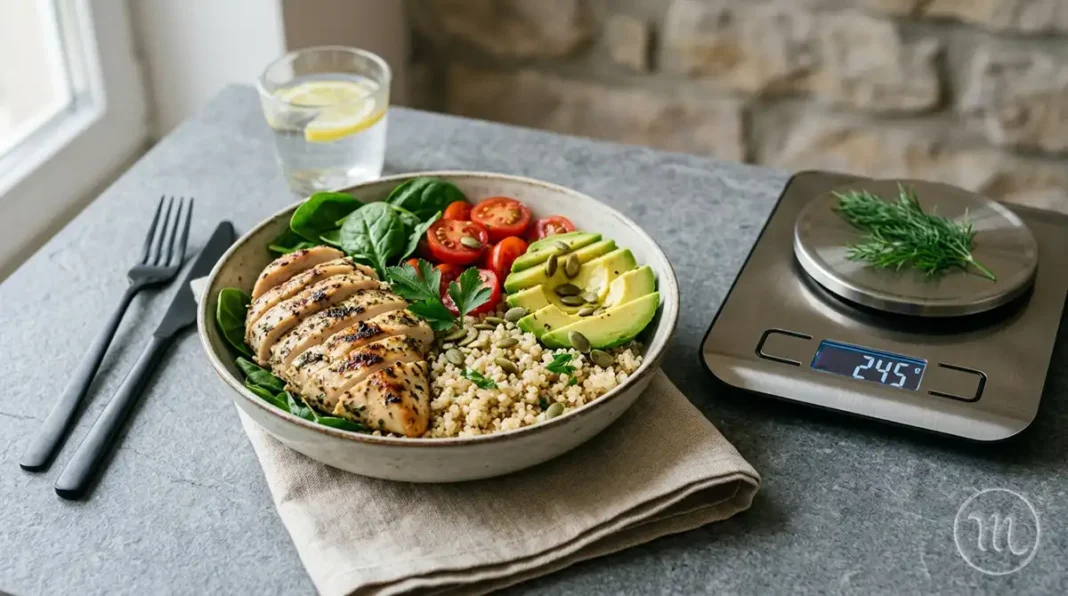
Let’s be real: there’s a massive difference between 500 calories from a chicken breast with vegetables and 500 calories from a sugary donut. While total energy determines your weight, it’s the macronutrient balance that dictates your body composition—whether you’ll have toned muscles or just become a smaller, low-tone version of your current self.
An obsession with “fitting in” to a daily limit often leads people to choose foods based on ease of counting rather than nutritional value. This is a direct path to vitamin and mineral deficiencies. When you only look at the numbers, it’s incredibly tempting to swap a wholesome meal for processed snacks or energy bars that are easy to scan in an app.
Підписуйтесь, щоб не пропустити нічого цікавого! | Follow us so you don't miss anything interesting! | Subskrybuj, aby nie przegapić niczego ciekawego!
As a result, fruits, greens, and vegetables—which might seem “unimportant” because they don’t have high energy value—vanish from the plate. However, it’s exactly this lack of micronutrients that causes chronic fatigue, dull skin and hair, and an overall sense of being run down.
The best diet is the one you can stick to for life. But if your only goal is staying under 1,800 calories and you reach that goal through fast food, you’re dooming yourself to constant hunger. Highly processed foods have a very low satiety index.
This creates a vicious cycle: you hit your daily goal, but your stomach stays empty and your brain stays irritable. Constantly fighting the urge to eat drains your willpower, leading to an inevitable binge and the weight returning with a “bonus.” Rational eating should be comfortable, not a daily form of torture.
The best solution is transitioning to the concept of “flexible dieting.” This means tracking not just total calories, but ensuring your body gets its required dose of nutrients.
What Should You Do?
Here are the three pillars of a healthy approach:
- The 80/20 Rule: Let 80% of your diet consist of whole, minimally processed foods (grains, meat, fish, veggies), and let the remaining 20% be your favorite treats to avoid psychological pressure.
- The Satiety Index: Choose foods rich in fiber and complex carbs that provide a lasting feeling of fullness.
- Listen to Your Body: Learn to distinguish real physiological hunger from the emotional desire to eat away stress.
My Opinion:
I believe that calories are just a tool, not the master of our lives. The true magic of transformation happens when we start respecting our body’s need for nutrients rather than just calculating mathematical errors on a plate.
Advice from MODISTA
- Shift your focus from quantity to quality: choose foods with a rich nutrient profile, even if they’re slightly higher in calories than “diet” alternatives.
- Always add fiber sources to every meal—it’s the best way to curb hunger naturally.
- Don’t be afraid to allow yourself a dessert occasionally; bans only strengthen cravings, while moderation makes the journey enjoyable.
“Have you ever tried counting calories and how long did you manage to stick with it? Share this article with a friend who also dreams of the perfect figure without harsh restrictions!”
ℹ️ REFERENCE
Men’s Health (MH) is a leading global publication specializing in fitness, healthy lifestyle, nutrition, and men’s psychology, providing expert advice from certified nutritionists and trainers. 🌐
Important for our readers
All materials on the MODISTA website regarding health and medical topics are for informational purposes only. We strive to share useful information, but it does not constitute medical advice. Any recommendations, especially regarding treatment or medication use, must be provided solely by a qualified specialist. If you feel unwell, please be sure to consult a doctor.