



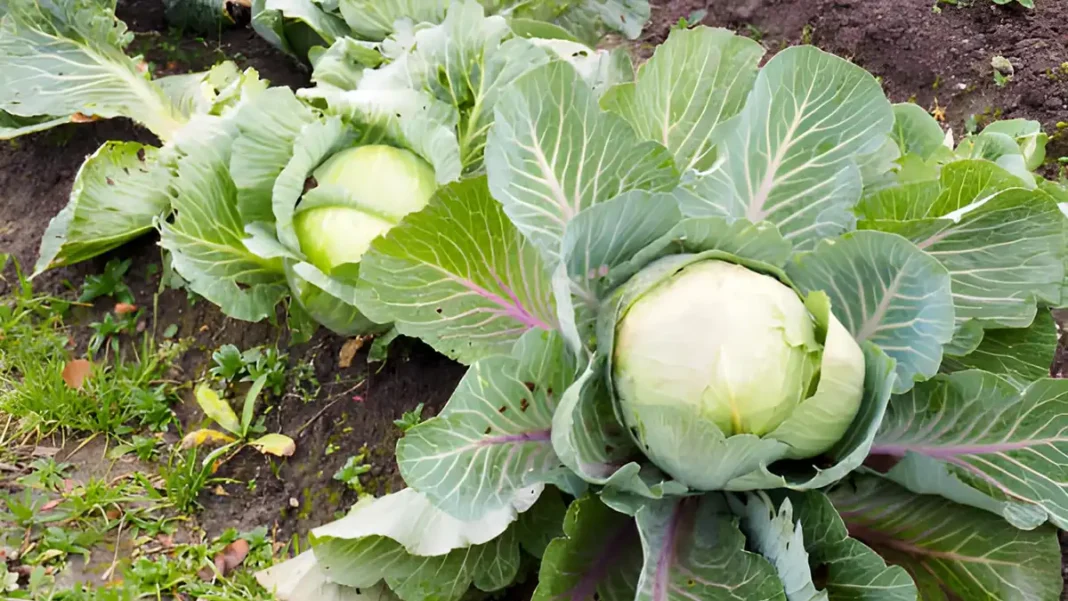
I remember very well how, in my childhood, after harvesting cabbage, my grandmother and I would carefully pull out every stump and throw it onto the compost heap. It seemed logical: clean up the garden and tidy up. However, over time, communicating with experienced gardeners, I realized that this was a critical mistake. It turns out that leaving cabbage root systems in the ground is not just laziness, but a real agricultural technique that can turn your soil into a fertile paradise, reports MODISTA.
Most homeowners, guided by habit, immediately pull out and discard the root systems after cutting the heads. But let me tell you about a secret used by true masters of agriculture: cabbage stumps left in the soil bring extraordinary benefits that are simply unwise to ignore. Let’s delve into why you should change your habit and leave these valuable remains in the garden bed until spring.
Why Leave Cabbage Root Systems for Winter: Secrets of Fertile Soil
When I first heard about this method, I was somewhat skeptical, but the results in my own plot convinced me. The essence is that the root systems left in the ground work as a natural, slow activator of soil fertility throughout the autumn and winter.
Natural Fertilizer That Works Without You
Cabbage roots are a true natural treasure. They contain a significant reserve of organic matter, which, as it decomposes, gradually nourishes the soil. Imagine adding nitrogen, potassium, and calcium for free and without chemicals! This fertilizer acts gently, without overloading the soil, but making it alive and balanced. In the spring, when you start digging, you will be surprised: the beds will be loose, permeable, and completely ready for planting new crops, often without the need for additional chemicals.
Protecting Soil from Erosion and Winter Cold
An equally important function is protective. Stumps left for the winter with their roots hold the soil structure, preventing it from “washing away” during autumn rains and spring thaw. This prevents erosion, especially on slopes or in areas with light, sandy soil that quickly loses its shape. Additionally, these residues create a kind of thermal buffer, partially protecting the top layer of earth from excessive freezing.
Підписуйтесь, щоб не пропустити нічого цікавого! | Follow us so you don't miss anything interesting! | Subskrybuj, aby nie przegapić niczego ciekawego!
Stimulating Life in the Soil
The decomposition of root systems is a feast for an entire army of beneficial inhabitants of your garden. We are talking about beneficial soil bacteria and earthworms. They actively process organic matter, improving the structure of the soil and increasing its ability to retain moisture. The more “food” for them, the healthier and more fertile your soil. I call this the “invisible work” of nature.
An Important Nuance to Consider
Of course, every rule has an exception, and there is one here, and it is critical.
You can only leave plants that were absolutely healthy. If your cabbage was even slightly affected by fungal diseases such as clubroot (the most common and dangerous), blackleg, or vascular bacteriosis, the root systems must be immediately pulled out and destroyed. The best way is to burn them to completely eliminate the infection. If you leave diseased residues, you will essentially create ideal conditions for the spread of pathogens throughout the garden next season.
Additional Benefits in Spring
In spring, when you start digging up the beds, you will easily remove the old, partially decomposed root systems. But the ground beneath them will be soft, loose, and already enriched with organic matter. Some acquaintances of mine even use these spots as ideal holes for sowing crops that need an especially nutritious start, such as cucumbers or pumpkins. They grow wonderfully there, receiving a natural “bonus” from their predecessor.
So, if your cabbage was healthy, do not rush to pull out its stumps. Leave them to work for your harvest! It is economical, ecological, and, most importantly, extremely effective for increasing the fertility of your soil without any extra effort. I believe that such simple tricks form the basis of wise, natural farming.