



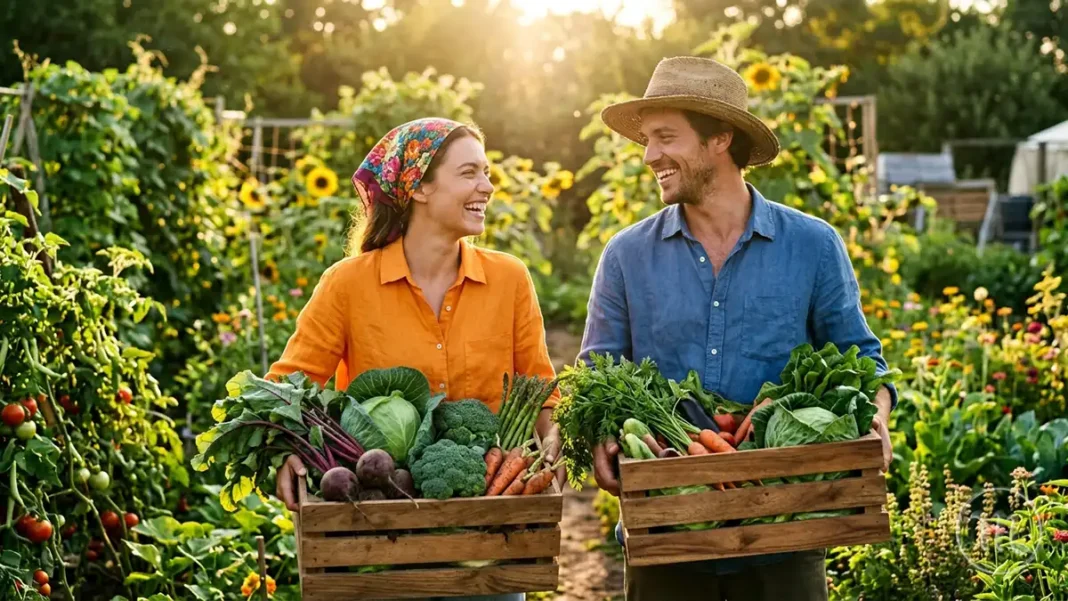
- •Why the “one-inch rule” is the ultimate baseline for most vegetable crops.
- •The foolproof way to check soil moisture and prevent root rot.
- •The golden hour for watering: why morning beats evening every time.
- •Drip irrigation and mulching hacks to save every precious drop.
Every plant in our garden has its own personality and specific needs, which is why just aimlessly spraying the ground with a hose doesn’t always do the trick. Mastering the art of vegetable care requires a deep understanding of soil conditions, plant physiology, and even the unpredictable whims of the weather. Water isn’t just a liquid; it’s the primary transport system for the nutrients that make your tomatoes and cucumbers juicy and flavorful. In this guide, I’ll show you how to turn watering into a professional life-support system for your garden using expert tips and time-tested tricks, reports MODISTA.
Effective hydration is the foundation of a healthy, high-yielding garden. By tuning into your plants’ needs and your soil’s structure, you can create the perfect growing environment all season long—no matter how hot the summer gets. Trust me, your effort and attention to detail will pay off tenfold when you’re harvesting baskets of fresh, homegrown veggies for your table.
How to Calculate Your Garden’s True Water Needs
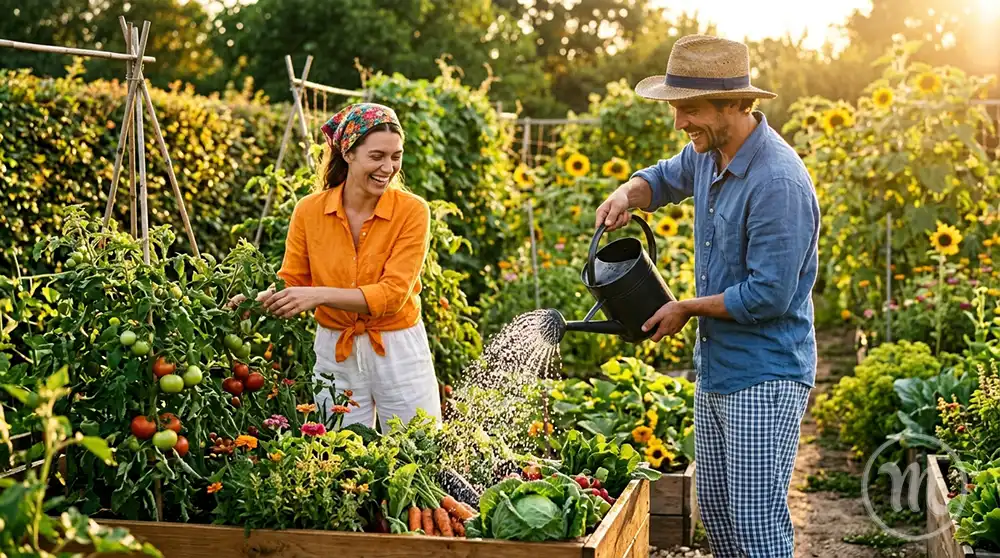
Before you grab your watering can, it’s worth analyzing a few key factors: the type of crop, its growth stage, your soil type, and the current forecast. A universal standard for a vegetable garden is about 1 inch (2.5 cm) of water per week, including rainfall. However, during heatwaves or high winds that dry out the earth instantly, you’ll need to dial up the frequency. On the flip side, during cloudy or cool spells, overwatering can do more harm than good.
Natural Rainfall and Soil Drainage Realities
It’s not just about sticking to a schedule; it’s about “feeling” the earth. Before you water, check the soil: stick your finger or a wooden stake about an inch or two into the ground. If it feels moist, you can hold off. Keep an eye on drainage, too. You don’t want standing puddles—waterlogged soil cuts off oxygen to the roots, which is a one-way ticket to root rot.
When Dryness Becomes a Crisis
If you notice the soil is bone-dry even below the surface, that’s a direct signal to act. Don’t wait for the leaves to start wilting or turning yellow. By the time you see visible signs of dehydration, the plant is already under serious stress. This kind of “thirst” negatively impacts fruit size and flavor, so preventive hydration is your best friend here.
Підписуйтесь, щоб не пропустити нічого цікавого! | Follow us so you don't miss anything interesting! | Subskrybuj, aby nie przegapić niczego ciekawego!
The Ideal Time of Day: Why Timing Is Everything
The best time to water is early morning. The sun isn’t at its peak yet, allowing water to soak deep into the root system without evaporating instantly. Plus, a morning soak ensures foliage dries out by evening, which is the best way to prevent fungal diseases. If you miss your morning window, late evening is the next best thing—just be extra careful not to get the leaves wet.
Watering Methods: From Watering Cans to Automation
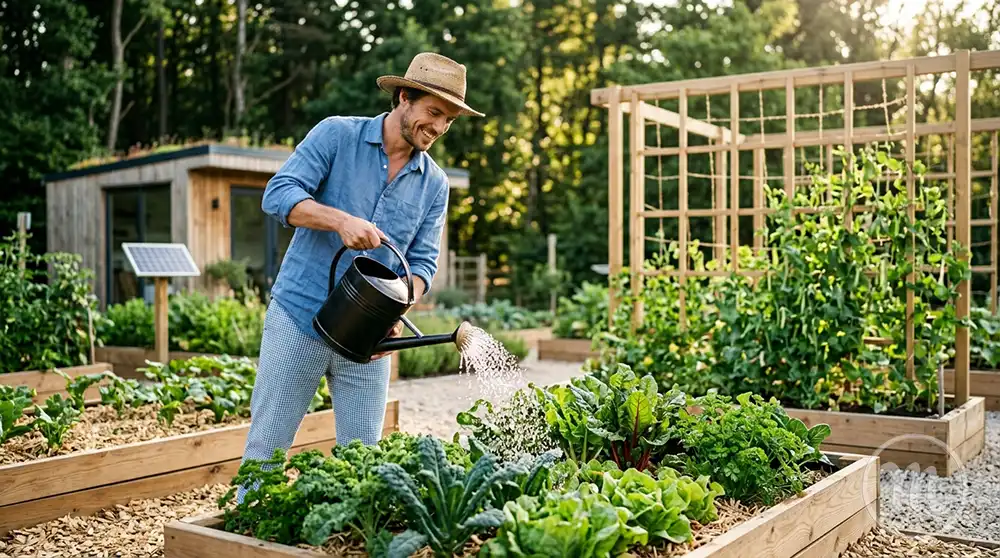
How you deliver the water is just as important as how much you give. Drip irrigation or soaker hoses are the gold standard for vegetables. They provide a slow, steady soak directly to the root zone. This minimizes evaporation waste and keeps water off the leaves—something that’s crucial for finicky plants like tomatoes and zucchini.
Pro Hacks for a Thriving Garden
- Embrace mulching: A layer of straw, grass clippings, or bark locks in moisture, prevents soil crusting, and keeps weeds at bay.
- Know your soil: Clay soil holds water for a long time, while sandy soil lets it run through like a sieve. Adjust your schedule to match your plot.
- Avoid the leaves: Always aim your stream at the base of the plant. Wet leaves can get scorched by the sun or become a breeding ground for infections at night.
- Go deep, not frequent: Frequent light watering encourages weak, shallow roots. Deep soaking forces roots to grow downward, making plants much more drought-resistant.
MY OPINION:
I always say that a garden is a living organism that feels your care with every drop of water. Don’t try to outsmart nature with quick “sprinkles.” Instead, let the earth soak up moisture deep down, and you’ll see your vegetables respond with incredible strength and unbeatable flavor.
Advice from MODISTA
- Use room-temperature water that’s been sitting out to avoid shocking the delicate root systems of your plants.
- Install a rain gauge in your yard—it helps you know exactly how much moisture fell from the sky and how much extra you need to add.
- Always loosen the soil after watering (unless you’re using mulch) so the roots can breathe freely.
Have you already switched to a drip system, or do you prefer the classic watering can for a bit of morning garden meditation? Save these tips to your bookmarks so your garden stays lush and productive all season!
ℹ️ REFERENCE
City Magazine is a leading European publication specializing in lifestyle, gardening, and home tips, offering readers only proven methods and modern approaches. You can check out the original material on garden care on their official website. 🌐