



- •Why seemingly rich soil might be completely drained and how to test it without a lab.
- •Decoding “leaf language”: what those yellow, purple, or crispy brown edges are actually telling you.
- •The hidden link between nutrient deficiency and stunted roots or poor harvests.
- •Mastering the clock: why morning and evening are the only times your plants should “dine.”
When it comes to plant care, there are so many moving parts that it’s easy to feel like your head is spinning. From scouting the perfect seedlings for your zone to obsessive soil prep and pruning at just the right second—your gardening to-do list is likely already bursting at the seams. But here’s the thing: if you skip out on fertilizer, all that hard work could go right down the drain. I like to think of feeding as part of a plant’s natural seasonal rhythm. Give them what they need, exactly when they need it, and they’ll reward you with show-stopping blooms all season long, reports MODISTA.
I’ve reached out to top industry experts to break down the science of fertilization for you. You’re about to learn how to spot those subtle cries for help, pick the perfect formula, and nail the timing for a “vitamin day.” This ultimate guide is designed to help your garden actually thrive, not just survive.
How to tell if your plants are craving a nutrient boost
As a general rule of thumb, most outdoor plants need between two and four feedings a year to hit their peak. I always start in early spring to jumpstart growth, followed by a second round in early summer to support all that blooming and fruiting. A final dose in late summer or early fall helps perennials prep for their beauty sleep. Using organic fertilizers during these windows builds long-term soil health rather than just giving your plants a temporary “sugar high.”
That said, some varieties are a bit more high-maintenance. To figure out if it’s time for a nutrient surge, you’ve got to play detective. Experts point to a few “red flag” symptoms you simply can’t ignore.
Depleted or nutrient-poor soil
A deep dive into your soil’s health is the absolute best way to gauge growth potential. Think of it this way: your soil’s health is a direct preview of how your flowers or trees will look. A soil test tells you exactly what’s missing in the substrate and which specific elements you need to add. It’s like preventative medicine; an analysis can catch a deficiency long before those first physical signs of “sickness” show up on the leaves. Plants need a balanced diet just like we do. While they grab some nutrients from the air and water, their main meal comes straight through the roots. If the soil is empty, even “good-looking” dirt won’t save the day.
Підписуйтесь, щоб не пропустити нічого цікавого! | Follow us so you don't miss anything interesting! | Subskrybuj, aby nie przegapić niczego ciekawego!
Changes in leaf color and pigmentation
For most species, vibrant green leaves are the ultimate health check. Any weird shift in shade is a total warning bell. If you’re seeing yellow leaves—especially on the older, lower parts of the plant—that’s usually a classic sign of nitrogen hunger. When leaves take on a purple or reddish tint? That’s a hallmark of phosphorus deficiency. And those crispy brown “burnt” edges or curling? That often points to low potassium or calcium levels.
A sudden drop in flowers or fruit
Fruiting and flowering plants pour an insane amount of energy into reproduction. When they aren’t getting enough fuel, they start “budgeting” by cutting back on the pretty stuff. It’s important to rule out watering issues or pests first, but if those are fine, a good feeding is usually the missing spark. Organic plant food doesn’t just fix the gap; it boosts stress resistance without the risk of chemically burning those delicate tissues.
A weak or sickly root system
Even though roots are hidden from view, they’re the foundation of everything. If you notice a plant is wobbly or doesn’t seem anchored well, it’s time for a gentle peek. Healthy roots should be firm and resilient, never dark brown, mushy, or smelly. I recommend slow-release organic options to encourage a sprawling, robust root network that can stand its ground.
MODISTA Daily MODISTA Daily MODISTA Daily
The art of proper fertilization
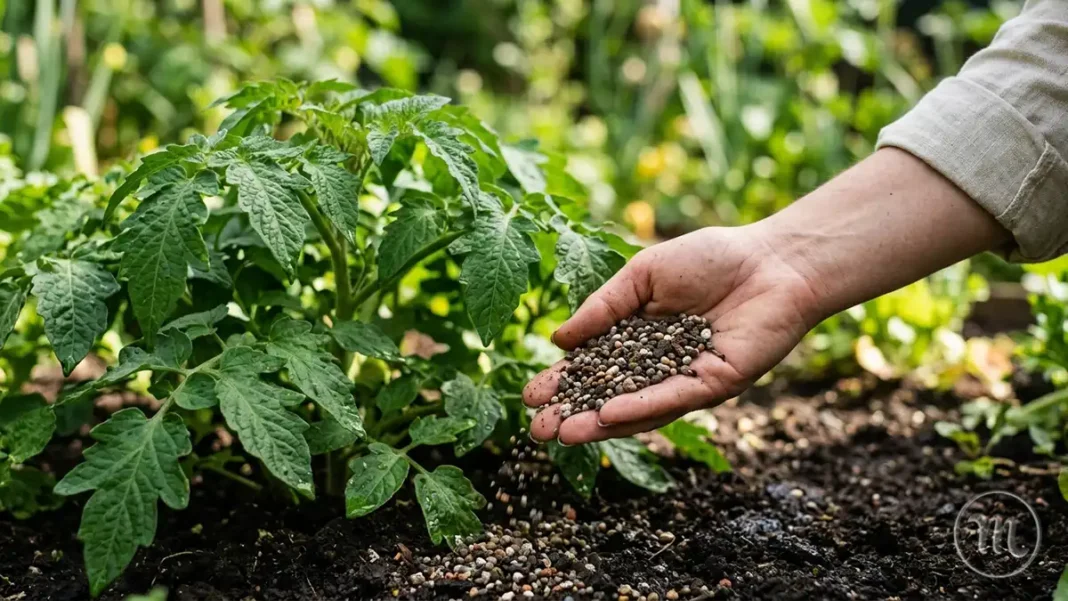
Feeding should be a guaranteed way to get a healthy plant, but if you do it wrong, it’s a one-way ticket to the compost pile. My golden rule: always read the label and stick to the instructions. Apply your fertilizer in the early morning or evening when it’s cooler out. The ground must be moist before you start. Watering after the procedure is a non-negotiable step—it helps transport those nutrients straight to the roots and prevents burns.
- Granular fertilizers: These should be lightly scratched into the top layer of soil around the base, then watered in deeply.
- Liquid concentrates: Mix these with water according to the ratio and pour directly at the root zone.
Stick to a regular schedule, but always keep an eye on how your “green babies” react. Organic products work in harmony with nature, so while the results might take a beat longer than “chemical fixes,” the payoff is way more stable and long-lasting.
How to choose the perfect formula without the guesswork
Most fertilizers are built around three main elements, labeled as NPK on the packaging:
- Nitrogen (N) — The secret to lush greenery and stem growth.
- Phosphorus (P) — The key to strong roots and major flower power.
- Potassium (K) — The ultimate immunity booster for drought and disease resistance.
Traditional synthetic fertilizers deliver these in a concentrated burst that can actually mess with your soil’s biology over time. Instead, look for organic alternatives. They feed the soil gradually and often contain carbon and beneficial microbes that improve the “living” part of your dirt. If you’re unsure, start with a balanced NPK ratio, like a 4-4-4, and see how the garden responds. Formulas with added micronutrients and minerals create long-term value, making your plants truly resilient.
My Opinion:
I’ve always felt that plants are the best teachers of patience because they never lie about how they’re feeling. From my own experience, don’t wait until the leaves are completely yellow; run a soil test now to stay ahead of the game. My top tip is to switch to organics—it doesn’t just “feed” the flower, it brings the earth itself back to life, giving your garden true natural strength for years to come.
Advice from MODISTA
- Always run a soil test before the season kicks off—it’ll save you a ton of money on fertilizers you don’t actually need.
- Opt for slow-release organic fertilizers so the nutrients don’t just wash away during the first heavy rain.
- Keep a quick feeding log on your phone so you know exactly when your roses or tomatoes are due for their next “vitamin” hit.
Have you noticed your indoor or outdoor plants signaling for a meal lately? Share this with a friend who can’t figure out why her ficus is dropping leaves—it might just need a proper lunch!
ℹ️ REFERENCE
Real Simple is a leading American publication specializing in home hacks, gardening, and the art of cozy living. The magazine is renowned for its expert fact-checking and collaboration with professional agronomists for its gardening advice. You can find more home tips on their official website 🌐