



- •How acetylsalicylic acid works at the plant’s cellular level.
- •A recipe for the perfect solution for watering and spraying.
- •Key care rules for the longest possible geranium blooming.
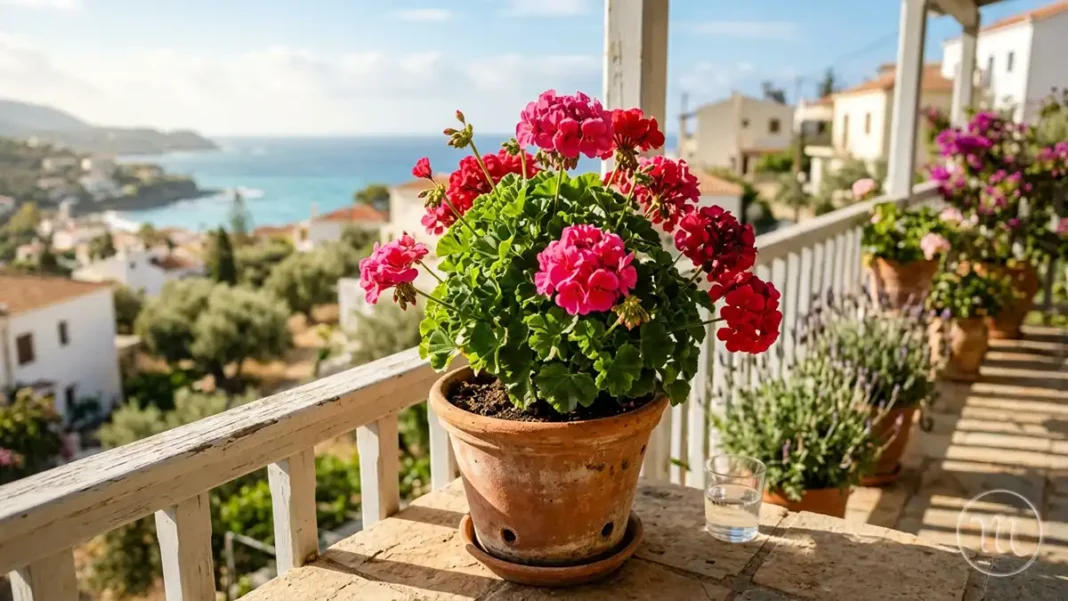
Our favorite pelargoniums, which many of us simply call geraniums, are a true decoration for balconies and windowsills. However, sometimes even with careful care, they refuse to sprout new buds or look a bit weak. It turns out the solution might not be hidden in expensive garden shops, but right in your home medicine cabinet. A simple tablet we’re used to taking for a cold can work real magic on indoor plants, reports MODISTA.
I’ve researched this forgotten but incredibly effective method and noticed that it works on the principle of natural stimulation. I’m talking about aspirin, or acetylsalicylic acid. It turns out this substance doesn’t just treat humans; it’s a derivative of a natural plant hormone responsible for immunity and the development of greenery. Using such “doping” in the right doses helps plants better endure heat, overwatering, or pest attacks.
How Aspirin Affects Plants and Why It Works
Aspirin is the household name for acetylsalicylic acid, which has anti-inflammatory and fever-reducing effects on the human body. However, for the world of flora, this active component is a derivative of salicylic acid. In the plant world, this hormone plays a key role in regulating growth and forming a protective response to stress. These can be biotic factors (bacteria, viruses, insects) or abiotic ones (drought, sharp temperature drops, or excessive humidity).
Interestingly, salicylic acid is naturally found in many cultures, including pelargonium. Adding a small amount of aspirin externally acts as a sort of signal for the flower’s immune system. I’ve noticed that after such a procedure, the plant seems to “wake up”: the root system strengthens, the shoots become sturdier, and most importantly — the process of active flower bud formation kicks off. It’s a magical push that helps the pelargonium show off all its beauty.
However, from a logical and botanical standpoint, it’s important not to confuse a stimulator with full nutrition. Aspirin doesn’t replace complex fertilizers. Moreover, an excessive concentration of the medicine can do the opposite — suppress root growth and cause burns. Only low, precise doses will help improve the condition of your favorites. It’s more of a “vitamin cocktail” for support, rather than the main meal.
Підписуйтесь, щоб не пропустити нічого цікавого! | Follow us so you don't miss anything interesting! | Subskrybuj, aby nie przegapić niczego ciekawego!
Using Aspirin for Pelargonium to Get a Sea of Flowers
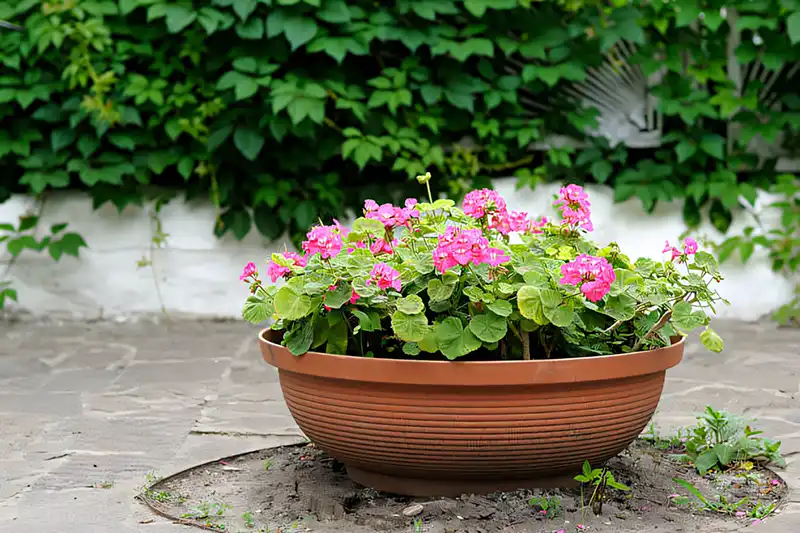
You can use this pharmacy remedy in several ways, depending on the effect you’re looking for. The simplest option I often practice is preparing a special supplement for watering. You’ll only need one tablet of regular aspirin (no flavorings or additives) and one liter of room-temperature water.
The process is very simple: dissolve the tablet in the water and wait about 30 minutes for it to fully dissolve. You can water pelargoniums at the root with this solution, but it should be done no more than once every 5–6 weeks. This schedule helps maintain a high level of resistance to diseases and pests. Also, this solution works wonders as a rooting agent for young cuttings.
Another effective method is foliar feeding, which means spraying. The solution prepared using the same recipe should be poured into a spray bottle. I recommend spraying the pelargonium leaves once every 2–3 months. It’s best to do this in the morning or on a cloudy day so that direct sunlight doesn’t cause burns on the wet leaves. A plant strengthened this way will reward you with incredibly long blooming, but remember that basic care (water and sun) remains essential.
What to Do So Pelargonium Blooms for as Long as Possible
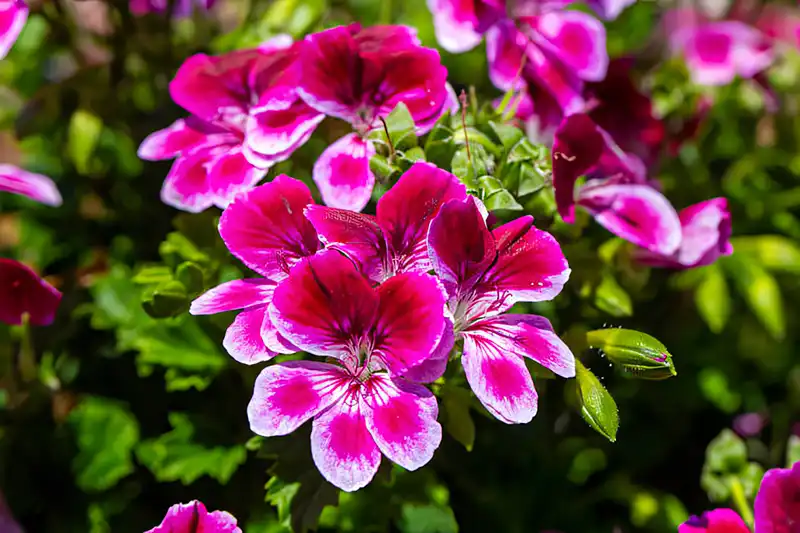
Of course, even the best pharmacy tricks won’t help if the plant is suffering from basic care mistakes. Pelargoniums need a certain level of comfort to show off their bright “caps” of inflorescences all season long. Here are a few fundamental rules you shouldn’t forget.
Location and Lighting
Light is the main fuel for blooming. Pelargoniums need at least 6–8 hours of direct sunlight every day. That’s why they look so gorgeous on south or west balconies. If you put the pot in the shade, the plant will start to stretch, the leaves will pale, and buds might never appear. Sun stimulates the energy production needed for every flower to open.
Correct Soil and Planting
These flowers love light and breathable substrates with neutral acidity (pH around 6–7). I always advise adding a bit of perlite or clean river sand to store-bought soil. This improves the earth’s structure and ensures drainage, which is critical for preventing root rot. It’s better to plant pelargonium in medium-sized pots: if the container is too large, the plant will focus on growing roots, “forgetting” about the flowers. Be sure to check for drainage holes at the bottom.
Watering Regimen
You should water your pelargonium regularly as soon as the top layer of soil dries by 1–2 centimeters. It’s important to water generously but drain the excess from the tray immediately. During summer heat, the plant might need a drink every day. But remember: pelargonium (especially trailing types) handles a slight drought better than a constant “swamp.” When watering, try to keep droplets off the leaves and flowers to protect them from spotting.
Feeding and Pruning
For a non-stop blooming marathon, feed your flowers every 7–10 days with multi-component fertilizers for flowering plants rich in phosphorus and potassium. A vital rule: apply fertilizer only to moist soil so you don’t burn the delicate roots. Pelargoniums also respond well to organics, like vermicompost.
Don’t forget about “hygiene”: regularly remove inflorescences that have finished blooming. You should carefully pinch them off above a leaf node. This doesn’t just save them from fungal diseases; it stimulates the plant to push out new stems. In the spring, I recommend shortening shoots by a third so the bush stays lush and doesn’t get “bald.”
My Opinion:
I’ve seen firsthand that aspirin water isn’t a myth, but a real “alarm clock” for flowers. My pelargoniums became much more resistant to powdery mildew after this watering, and the color of the petals seemed even more saturated. The main thing — don’t make the solution too strong, because in magic, just like in the pharmacy, precision is key.
Advice from MODISTA
- Use only regular white aspirin; effervescent versions with Vitamin C or sugar aren’t suitable for flowers.
- If you’ve just repotted the plant, wait 2 weeks before using the aspirin solution.
- Always combine this method with removing spent flowers — it’ll double the effect.
How are your indoor flowers feeling this spring? Maybe you have your own secret ingredient for a lush windowsill garden? Share this article with a friend who dreams of a blooming balcony!
ℹ️ REFERENCE
Information about the beneficial properties of acetylsalicylic acid for plants is based on research by phytopathologists studying systemic acquired resistance (SAR). You can learn more about the role of salicylates in the life of flora in specialized gardening publications and in relevant sections of Wikipedia. This material was prepared using the experience of experts from the Deccoria portal 🌐.