



In this article, you’ll learn:
- The magic of oxygen: how removing small soil plugs saves roots from dying.
- Alarming symptoms: why puddles on the grass and its toughness are signals for action.
- Maintenance schedule: when’s the best time to perform the procedure depending on your grass type.
- Error cheat sheet: how to avoid damaging your lawn during DIY work.
If your lawn looks dull despite all your efforts, the problem might be deeper than it seems at first glance. Often, roots simply “suffocate” under a layer of compacted soil, and that’s exactly when aeration comes to the rescue. It can cure a multitude of problems: from thinning grass and dry patches to slow growth. Once you see the results, you’ll definitely wonder why you didn’t do it sooner, reports MODISTA.
I spoke with experts in irrigation and home landscaping to help you recognize the seven critical signals your lawn sends when it desperately needs to “breathe.”
What Lawn Aeration Is and How It Works
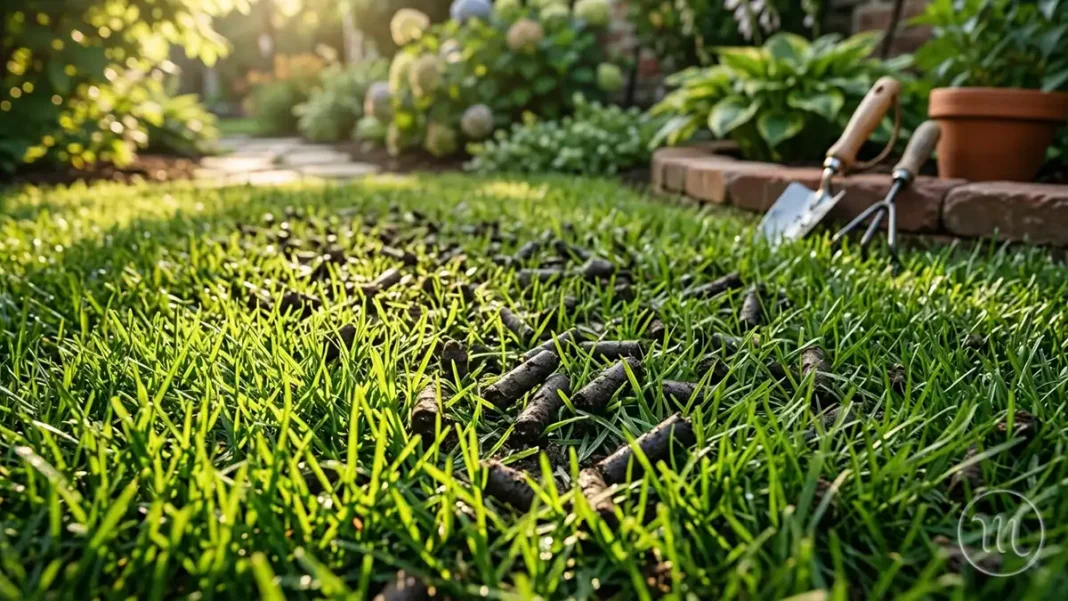
Aeration is a method of maintaining your lawn’s health by extracting small, finger-sized cores (plugs) from the soil, says Daniel Zhao, CEO of SoilDrops, a company specializing in irrigation systems. This process allows the soil to “relax” and creates channels for resources to move freely.
One of the most important functions of aeration is controlling thatch (a layer of organic debris). Microbes found in the soil brought to the surface biologically break down this layer, turning it into useful organic matter. Additionally, aeration ensures better nutrient movement, reduces soil compaction, improves air circulation, and even stimulates root growth through partial root pruning. This practice is absolutely essential for areas with high foot traffic or where children play.
Підписуйтесь, щоб не пропустити нічого цікавого! | Follow us so you don't miss anything interesting! | Subskrybuj, aby nie przegapić niczego ciekawego!
7 Major Signs It’s Time to Act
A lawn showing bald spots, dry grass, or lingering puddles after rain is screaming for help. Soil that’s hard as a rock or, conversely, a surface that feels too spongy—these are direct reasons to grab an aerator.
Erik Halfman, a manager at John Deere, notes that if bald spots or areas of dead grass appear on the lawn, it could be a symptom that the plants aren’t receiving necessary nutrients due to severe soil compaction.
Dry grass can result from many factors: heat, pet activity, poor soil quality, or fertilizer burn. However, a lack of moisture specifically due to poor soil permeability during aeration is one of the main causes. Excessive trampling—by feet, car wheels, or heavy objects—inevitably leads to the ground needing to be “punctured” more frequently.
Keep an eye on the water. It shouldn’t collect in puddles. If it does, the ground’s too dense and isn’t draining properly. Also, don’t forget about thatch—the natural layer of dead grass, leaves, and rhizomes. When it gets too thick, water and air simply don’t reach their destination. Aeration helps break up these layers, opening a path for life.
Dense clay soil is also enemy number one. Clay consists of tiny minerals that stick together so tightly they become airtight. If your soil becomes sticky after getting wet, it’s rich in clay, and aeration is the only salvation here.
How Often Should You Perform the Procedure?
Make aeration a part of your regular lawn care routine. Erik Halfman advises doing it once or twice a year. The timing depends on the climate and type of grass—usually early spring or early fall.
If you live in a region with a cool climate, it’s best to do it in the fall, near the end of the mowing season. This helps relieve soil stress accumulated over the summer. For owners of lawns with warm-season grasses, like Bermuda grass, aeration should be scheduled for late spring when the plant is in its active growth phase.
5 Mistakes to Avoid During Aeration
Experts highlight several critical blunders that can ruin all your efforts:
- Ignoring the grass type. You must know exactly what’s growing in your yard. Aerating at the wrong time will be ineffective or even harmful.
- Working in extreme frost. Aerating during harsh winter conditions can damage the lawn. While you might pick a very mild winter day, it’s better to wait for spring.
- Using inappropriate equipment. True core aeration (removing plugs) is best left to professionals with powerful machines. For DIY work, tow-behind spike aerators are better suited.
- Trying to aerate when dry. The lawn should be moist but not soaking wet. Soil that’s too dry is usually too hard for the equipment to penetrate.
- Manual labor on large areas. Using a manual aerator requires significant physical strength. If your plot is large, you’ll simply exhaust yourself before you’re halfway done.
My Opinion:
I’ve repeatedly noticed how homeowners spend thousands on fertilizers while forgetting about basic air access to the roots. My top tip: start with aeration, and you’ll be surprised how your lawn “thanks” you with vibrant color without unnecessary chemicals.
Advice from MODISTA
- Check the soil with your finger: if you can’t easily push your finger into moist soil, it’s too dense and needs aeration.
- Leave the cores in place: after the procedure, “sausages” of soil will be left on the lawn—don’t remove them; they’ll break down within a week and become excellent fertilizer.
Have you already tried aeration on your plot or are you just planning this garden experiment? Share this article with your fellow gardeners in our Telegram channel so their lawns can also be the envy of the neighbors!
ℹ️ REFERENCE
The Spruce is a popular American publication specializing in home improvement, gardening, and lifestyle tips, providing expert recommendations from practicing professionals. The information is based on years of experience from landscape designers and plant care experts. 🌐