



In this article, you’ll learn:
- Why autumn pruning can be fatal for your shrub.
- The perfect moment in spring when the plant is ready for a “haircut.”
- Buddleja rejuvenation techniques to stimulate new shoot growth.
- How to support the garden ecosystem without limiting yourself to just one plant species.
Buddleja, often called the “summer lilac,” is a true garden star thanks to its unpretentiousness and ability to produce vibrant flower spikes in shades of magenta, purple, white, and pink throughout the summer. These shrubs don’t just decorate the site; they become a source of valuable nectar for winged pollinators that circle over them from morning till night. However, despite the summer riot of colors, many gardeners make the mistake of trying to prepare the plant for winter too radically, reports MODISTA.
Actually, the key to success lies not in autumn cleanup, but in a balanced approach to spring work. Although the bushes can reach 3-4 meters in height, there are also compact dwarf varieties that fit perfectly into small spaces. It’s important to remember that despite the abundance of nectar for adults, Buddleja doesn’t provide food for caterpillars, so to support biodiversity, it’s worth planting other perennials and grasses nearby. But let’s get back to the main point: how to properly care for the shrub itself so it doesn’t become leggy and sparse.
When Exactly Should You Prune Buddleja
Many homeowners strive to bring perfect order to the garden in the fall by cutting away everything extra. However, in the case of Buddleja — it’s a bad idea. Pruning in the pre-winter period makes the shrub vulnerable to frosts, especially in regions with harsh climates. When you expose the plant’s inner tissues before the cold hits, the risk of freezing increases significantly.
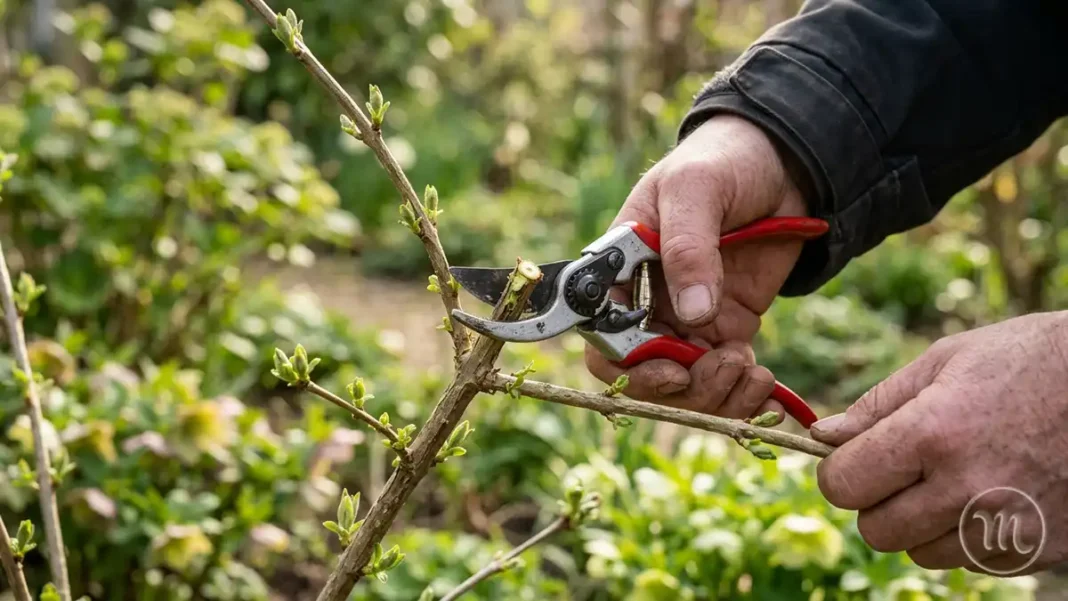
The best time to work with pruners is late winter or early spring, exactly when the first green buds begin to peek through the stems. Even if your bush kept some of its leaves after a mild winter, don’t ignore the pruning. Since Buddleja forms flowers on new wood (current year’s shoots), spring manipulation will only push it toward active bud formation. Don’t worry if the plant stays “asleep” for a long time in spring — it’s one of the last to wake up.
Підписуйтесь, щоб не пропустити нічого цікавого! | Follow us so you don't miss anything interesting! | Subskrybuj, aby nie przegapić niczego ciekawego!
Why Prune This Shrub at All
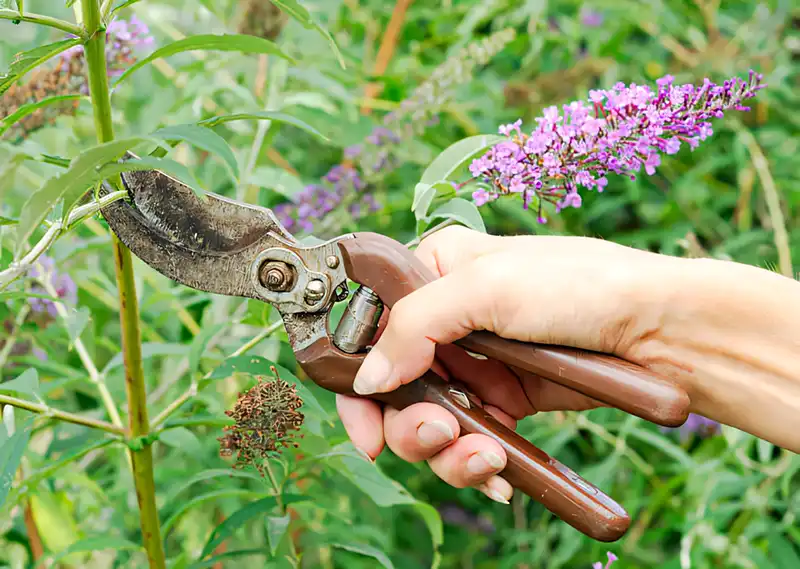
The annual procedure isn’t just a matter of aesthetics; it’s a guarantee of health. Without intervention, Buddleja quickly becomes cluttered, shoots stretch out, and blooming shifts only to the very top, leaving the bottom of the bush bare and unattractive. Regular shortening stimulates the growth of side branches, making the crown dense and the number of flower clusters maximum.
It’s worth noting that dry or broken branches can and should be removed at any point during the season. As for deadheading (removing wilted flower spikes), it’s not mandatory for the plant’s health, but it helps your garden look more groomed and tidy. If the bush hasn’t come to life by the beginning of summer, it likely didn’t survive the winter trials.
How to Prune Properly for the Best Results
The warmer the climate in your region, the bolder your actions can be. You can shorten the bush by a third, half, or even radically — almost to ground level if you want to completely control its size. This is especially relevant for old plants that need a full refresh.
- Prepare sharp pruners or loppers for thick branches.
- Find healthy green buds on the shoots.
- Make the cut directly above a live bud.
- Completely remove dead, grey, or damaged stems down to the base.
- Even dwarf varieties need a light annual correction, although much less mass is removed from them.
Proper pruning ensures that in summer your garden will be filled with a sweet aroma and a vibrant dance of butterflies around a healthy, strong shrub.
MY OPINION:
I’ve noticed that many beginners are afraid to cut Buddleja “to the stump,” but it’s often this radical action that gives the most powerful burst of blooming. Don’t be afraid of the pruners — this plant is incredibly grateful for the attention and will pay you back with a luxurious look in just a few months.
Advice from MODISTA
- Always disinfect your tools before working so you don’t introduce infection into the fresh cuts.
- If you want to support the butterfly population, add sainfoin or lavender to the garden alongside the Buddleja.
- Don’t rush to dig up a bush in April — give it time until mid-May; Buddleja is a real “sleepyhead” among shrubs.
Have you already tried radically renewing your garden plants, or do you prefer a delicate trim? Share this tip with friends who are just getting ready for the start of the gardening season!
Join our community where comments are open just for you!
ℹ️ REFERENCE
Buddleja davidii (Butterfly Bush) is a deciduous shrub in the Scrophulariaceae family, native to China. Thanks to its strong honey scent, it earned the folk name “butterfly magnet” or “summer lilac.” You can learn more about the species and care features on the pages of the free encyclopedia. 🌐