



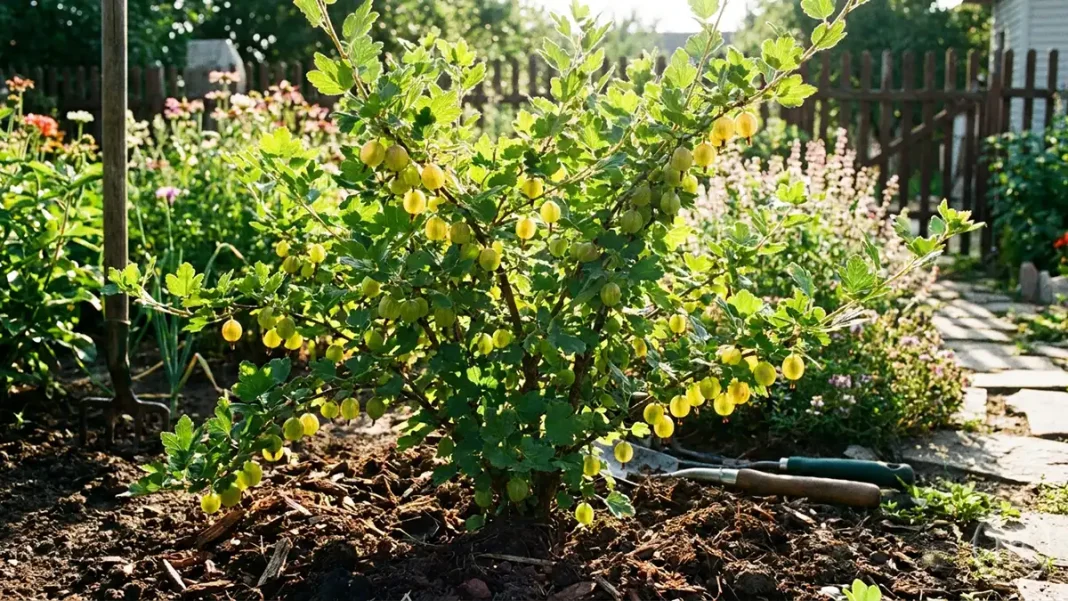
- • Why plenty of sunlight is absolutely critical for growing large, sweet berries.
- • The fatal consequences that low-lying areas and excess moisture have on the root system.
- • Which aggressive neighbor plants will completely steal water and nutrients from your bush.
- • The secrets to proper crop rotation and protecting your plants from damaging drafts.
Read in another language:
Choosing the right location for your berry bushes lays the groundwork for their future health and heavy fruiting. Experience shows that even the most low-maintenance garden crops will take a serious hit in productivity if you make mistakes when planting them out in the open ground. In unfavorable conditions like these, your green investments start to get sick, wither, and fade right before your eyes, reports MODISTA.
Gooseberries, a backyard favorite, are particularly picky when it comes to location. This thorny bush is incredibly sensitive to natural light levels, soil moisture, and the overall quality of the dirt. That’s exactly why you need to carefully plan out its growing conditions. We’re breaking down whether it’s better to plant gooseberries in the shade or the sun, and which green neighbors should never share their bed.
Sun vs. Shade: 6 Fatal Planting Mistakes Gardeners Make
Experienced gardeners know that this bush reacts poorly to even partial shade. When starved of sunlight, young shoots stretch out unnaturally, the lush leaves turn pale, and the berries end up small, sour, and unappealing. Plus, the deep, shady corners of a garden suffer from poor air circulation. This lack of good ventilation creates the perfect breeding ground for aggressive fungal infections.
If you want to pick heavy baskets of sweet fruit year after year, you need an open, sunny spot that gets maximum natural light all day long. Setting up shop on the south or southwest side of your garden is your best bet.
Підписуйтесь, щоб не пропустити нічого цікавого! | Follow us so you don't miss anything interesting! | Subskrybuj, aby nie przegapić niczego ciekawego!
When scouting locations, definitely steer clear of low-lying areas, hollows, or spots where rainwater and melted snow puddle up. The shallow root system of this crop is highly vulnerable to waterlogging. If you ignore this rule, the underground roots will quickly rot, weakening the bush until it loses its immunity and simply freezes to death during the first severe winter frost.
Before you dig in, make sure to prep the soil well in advance. To improve the ground structure, mix in some rich humus, fresh compost, or river sand. If your garden has acidic soil, you’ll need to balance out the pH levels by adding wood ash or dolomite lime.
Bad Neighbors: Plants You Should Keep Far Away
Planting your bush near aggressive plants can totally ruin its development. The no-go list includes popular choices like raspberries, currants, sea buckthorn, and any large fruit or ornamental trees. They all have powerful root systems that will ruthlessly compete for water and vital nutrients in the soil. On top of that, close quarters double the risk of passing around shared diseases and pests.
Many beginners ask if they can plant gooseberries next to strawberries in a tight space. Landscape experts point out that the exact same strict warning applies here—this pairing won’t do either crop any favors. To avoid trouble, always keep a safe distance between your plants. The sweet spot is at least a few meters apart, so never crowd your berry patches or pack them tight against other garden residents.
Constant drafts and cold gusts of wind can also do irreversible damage. Heavy wind hurts delicate spring blossoms, drastically cuts down your berry yield, and freezes young, one-year-old shoots. It’s much better to choose cozy, sheltered zones—like near the house, garden sheds, or along thick hedges that act as a natural shield.
Another classic rookie mistake is planting a young sapling in the exact spot where an old gooseberry or black currant bush lived for years. Pests and specific pathogens accumulate in that exhausted soil over time. Even the healthiest, toughest little bush will immediately weaken, stop growing, and struggle to survive in such a toxic environment. You should only bring this crop back to an old location after letting the soil rest and completely restoring its fertility by growing cover crops (green manure).
My Opinion:
Once you know what to keep away from your gooseberries and how to pick the perfect spot, you’ll easily set up your bushes for success—and enjoy a fantastic harvest of giant, juicy berries as a result.
Advice from MODISTA
- Before you start planting, sketch out a garden plan to make sure you keep a clear two-meter distance from raspberries and trees.
- Take the extra step to toss a little wood ash into the planting hole; the bush will reward you with sweeter fruit if the soil acidity is perfectly neutral.
- Steer clear of low spots. If you don’t have another option, build a raised mound for the bush and build in excellent drainage.
How do you handle shady spots in your yard, and what’s growing next to your berry bushes? Save this article to your bookmarks or share the link in our Telegram channel to keep these crop rotation tips handy for the upcoming season!
Join our community where comments are open just for you!
ℹ️ REFERENCE
Best practices for growing garden crops and agricultural techniques for berry bushes are based on years of horticultural research. Detailed care guides for members of the Grossulariaceae family can be found on the relevant pages of the popular free encyclopedia. 🌐