



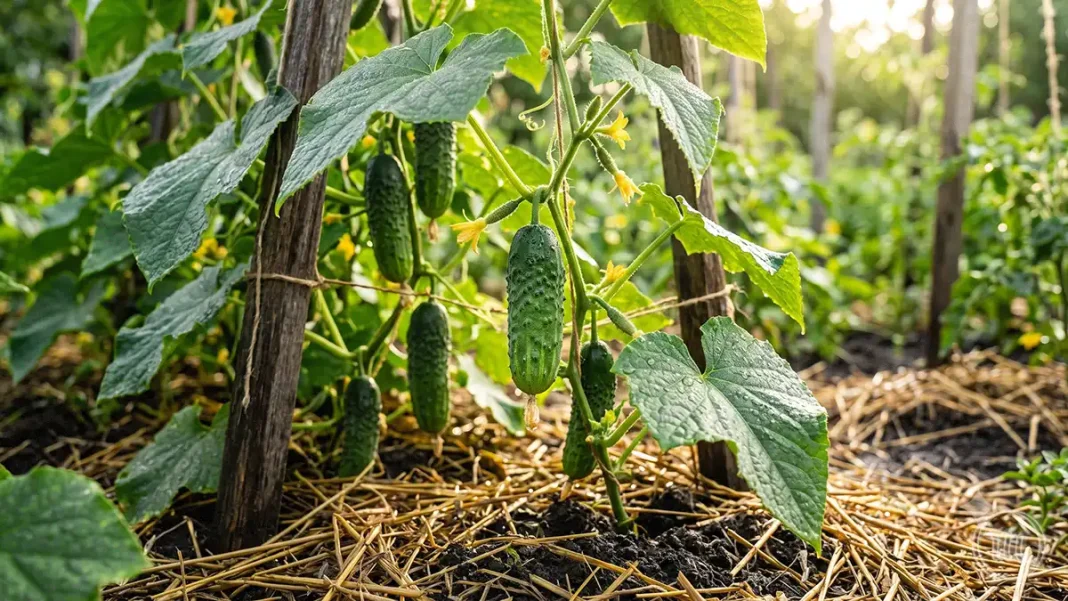
- • Fix pale leaves and misshapen fruit fast with a simple, budget-friendly routine that restores vital nutrients within days.
- • Midsummer pruning is absolutely vital—trimming extra shoots channels all the plant’s energy into growing juicy cucumbers instead of heavy foliage.
- • Attract tiny garden helpers effortlessly with a quick, sweet trick that keeps bees buzzing around your patch even during intense summer heat waves.
- • Boost greenhouse performance with a clever trick that naturally ramps up carbon dioxide levels to supercharge photosynthesis and speed up growth.
Read in another language:
Many backyard gardeners assume that by midsummer, cucumber patches have reached their peak and only require a standard watering routine. However, the true potential of your plants is much higher, and a few smart moves in July can trigger a massive second wave of fresh fruit. Stepping in at the right time in the plant’s life cycle helps extend the harvesting window and keeps your vines from aging prematurely—which is exactly what you need during those sizzling summer days, reports MODISTA.
To get the absolute most out of your garden, a holistic approach is key. This means combining clever vine shaping, targeted feeding, and protecting your plants from harsh summer stress. Even if you’ve planted low-maintenance varieties, these simple, proven tricks will dramatically improve the quality of your cucumbers, keeping them perfectly straight, beautifully crisp, and completely free of that frustrating bitter taste.
Smart Pollination Methods and Bee Management
By late summer, the natural activity of pollinating insects noticeably drops off, which directly impacts how many new cucumbers form on traditional bee-pollinated varieties. To turn things around, it is highly recommended to use a time-tested trick: spraying the vines with a basic sugar solution. Simply dissolve 100g of sugar in 1 liter of warm water and mist the plants to instantly bring bees, bumblebees, and wasps straight to your garden beds. For massive growing operations, placing an actual beehive right next to the plot is a game-changing, ultra-efficient solution.
Keep in mind that these helpful insects have an incredibly sharp sense of smell and absolutely hate strong, harsh odors—especially smoke. To keep pollination rates high, you should completely avoid burning yard waste or trash anywhere near your cucumber patch, and make sure your backyard grill or bonfire area is situated as far away from your vegetable garden as possible.
Підписуйтесь, щоб не пропустити нічого цікавого! | Follow us so you don't miss anything interesting! | Subskrybuj, aby nie przegapić niczego ciekawego!
When the weather takes a turn and bees aren’t flying at all, you can take matters into your own hands with manual pollination. Using a soft watercolor brush, gently collect pollen from the male flowers (the ones on thin stems with just stamens) and carefully transfer it to the pistils of the female flowers. This precise task guarantees a steady harvest even when insects are completely absent. Of course, if you are growing modern parthenocarpic hybrids or self-pollinating varieties, you can skip this step entirely, but for heirloom classics, it is an absolute lifesaver.
10 Simple Hacks for an Epic Cucumber Harvest in July
The main goal in July is to keep your cucumber vines safe from the stress caused by blazing daytime heat and chilly summer nights. When environmental pressure builds up, the plant will start dropping its blooms or producing bitter, misshapen fruit. Let’s break down 10 highly effective steps to support your garden beds and ensure a steady, reliable supply of the crunchiest, most beautiful cucumbers all season long.
1. Helping cucumbers pollinate
As summer rolls into its second half, natural pollinator activity slows down. To keep bees and wasps visiting your vines, try a sweet attraction method. Mist your plants with a quick mixture of 100g of sugar dissolved in 1L of warm water. The scent instantly draws in your winged helpers. While a full beehive works wonders for huge homesteads, a light sugar mist is perfect for the average backyard plot.
Just remember that bees cannot stand smoke. Skip burning brush near your garden while the vines are in bloom, and keep the barbecue grill at a safe distance. If a cloudy spell keeps insects away, take the lead: use a small paintbrush to gently move pollen from male blooms (on thin stems) to female flowers (which already show a tiny baby cucumber at the base). If you’re growing self-pollinating or parthenocarpic hybrids, you can skip this entirely.
2. Removing side shoots
This tactic is a must for late-season plantings. In late July, make time for a thorough pruning session to remove extra side shoots and suckers forming in the leaf axils. For early and mid-season varieties that are already producing well, try leaving just a few strong, young shoots at the end of the month. These will eventually take over for the old, exhausted vines as they finish up their lifecycle.
By regularly trimming away extra green growth, the plant stops wasting precious microelements on useless leaves and directs all its energy straight into plumping up the fruit. Overcrowded vines are often the hidden culprit behind a sudden drop in yield. Pinch off side shoots when they hit about 4–6 cm long to keep from damaging the main vine. You can use clean garden shears or simply use your fingers while holding back the larger leaves. This is especially crucial in greenhouses where every bit of sunlight counts.
3. Trellising the vines
Growing vertically is a fantastic way to double your yield, keep your veggies clean, protect them from hungry slugs, and make harvesting a breeze. Leave young plants alone if they are under 30 cm so you don’t snap the delicate stems. For mature vines, secure them safely to a trellis, net, or garden arches. You can opt for a horizontal line setup for long rows, or use individual vertical strings for each plant.
Getting your plants off the ground protects them from accidental damage when you’re walking between the rows. Plus, keeping the leaves away from damp soil minimizes contact with the fungal spores that thrive on the ground and cause common diseases.
4. Smart watering habits
Cucumbers are incredibly thirsty and picky about soil moisture. Hold back on water, and you’ll end up with hollow, misshapen, and bitter fruit. For outdoor beds, aim for a deep soak every 2–3 days, using roughly 6–12L of water per square meter. In hot greenhouses, dial that up to every 1–2 days and increase the volume to 10–15L per square meter.
At the same time, avoid turning your patch into a muddy swamp, which causes root rot almost instantly. Keep an eye on leaf tension: if they look firm and perky, your routine is on point. Always use water that has been warmed up by the sun, and pour it directly at the base of the plant in the evening. Hosing them down with a harsh blast of cold water will destroy the plant’s immune system. On chilly, overcast days, cut back significantly on watering since the roots barely drink when it’s cool.
5. Feeding with milk and weed tea
Organic milk is a wonderful source of natural potassium, which is key for abundant blooming and fruit development. Even better, a diluted milk mixture creates a brilliant environment for beneficial soil bacteria to multiply around the root zone. To mix up this feed, stir 1 cup of fresh, low-fat milk into a bucket of warm water and give the soil a good soak. You can repeat this every two weeks. Just remember: never pour straight, undiluted milk onto your plants, as it will turn the soil sour and ruin the roots.
For an extra boost, pair this with a fermented weed tea. Chop up fresh nettles, dandelions, or any juicy weeds, fill a bucket about one-third full, and top it off with water. Let it ferment in the sun for 3 days, then strain it. For a root drench, dilute 1L of this potent liquid into 10L of fresh water. This homemade cocktail gives your cucumbers an amazingly sweet, crisp flavor profile.
6. Mulching and hilling
Proper mulching is your golden ticket to a long-lasting harvest. A thick layer of organic material locks in moisture, smooths out dramatic temperature swings between day and night, stops weeds from taking over, and saves you from endless hoeing. Your cucumbers stay clean, dry, and look gorgeous. Great mulch options include:
- dry straw or clean hay;
- aged sawdust;
- peat moss or high-quality compost.
Pro Tip: Never use fresh, wet lawn clippings or pulled weeds as mulch. As they decompose on damp ground, they quickly become a breeding ground for nasty plant diseases and attract pests.
It’s definitely not too late to do this in July. Just make sure to leave a little breathing room right around the main stem so it doesn’t rot out. If mulching isn’t your thing, try hilling your plants instead. Since cucumber roots grow very close to the surface, gently mound up some damp soil a few centimeters high around the base. This protects the shallow root system from heavy winds and encourages the vine to sprout extra roots for a stronger foundation.
7. Loosening the soil
If your garden beds are bare, a hard crust will form on the dirt after every heavy downpour or deep watering. This crust cuts off the vital oxygen supply to the roots, causing young cucumber starts to turn yellow and drop off. Regularly loosen up the topsoil to keep it airy. On heavy clay or dense soil, you don’t even need to dig—just carefully poke the ground around the plant with a pitchfork about 3–4 cm deep.
Take extra care here! Cucumber roots sit right near the top of the soil, so deep cultivating or aggressive digging will easily tear them up, causing major stress and stalling growth.
8. Boosting carbon dioxide
For fast photosynthesis and rapid fruit setting, greenhouse plants often run out of carbon dioxide (CO_2). When levels drop, the vines look weak and flowering stalls out. The fix is incredibly simple: place a large bucket of fermenting manure or compost tea right inside the greenhouse. The natural gases released during fermentation act as a brilliant growth booster.
Commercial growers often use dry ice for an easy bump. If you can get your hands on some, place small pieces along the paths in the morning, using about 2g per square meter. You’ll notice your cucumbers plumping up beautifully in just a couple of days.
9. Pest and disease protection
When vines trail all over the garden paths and get stepped on during harvest time, the plants suffer from chronic stress. Damaged stems are an open invitation for infections. Plus, humid July storms can easily bring on various types of rot. Keep things healthy by pulling competing weeds and feeding the vines with potassium sulfate (15g per square meter, repeated 2–3 times before fall). To build up overall resilience, spray the leaves with an organic stress-recovery tonic like Epin according to the package directions.
To ward off common summer pests like spider mites, aphids, or whiteflies, use a trusted natural remedy: dust the plants with sifted wood ash or spray them with a strong tobacco tea infusion to keep bugs away naturally.
10. Regular harvesting
Never let your cucumbers grow too large until they turn into giant, yellow blimps. Overripe fruit hogs a massive amount of the plant’s nutrients, completely stopping new flowers from opening. Check your patch and pick them every two days as soon as they reach a nice, crisp 10–15 cm in length.
It’s best to harvest early in the morning when the fruit is plump with overnight moisture, or late in the evening. Always snip off any crooked, damaged, or weirdly shaped cucumbers so the vine doesn’t waste energy on them. When harvesting, never yank, twist, or pull hard on the vines, as you’ll crush the delicate stems. Instead, use sharp scissors or garden snips to cleanly cut the stem, leaving the main vine perfectly intact.
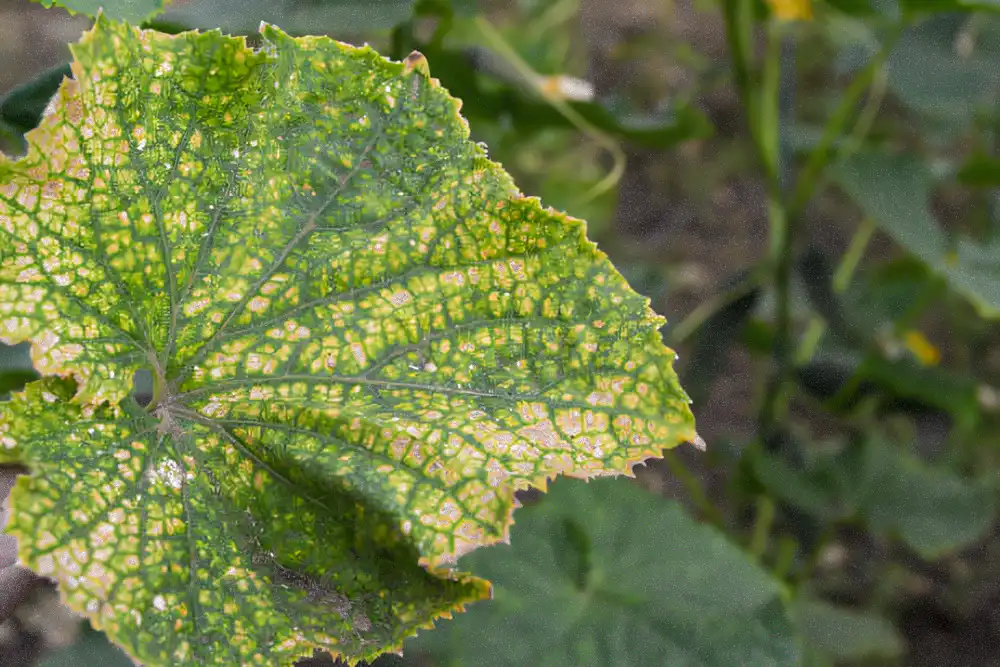
Why Leaves Turn Yellow: Main Culprits and Quick Fixes
Right in the middle of summer, many gardeners notice a frustrating issue: their vibrant green leaves start losing their color. Here are the main reasons why this happens:
- Watering mistakes: Yellowing can pop up from a simple lack of moisture or from cold water pooling around the roots.
- Nutrient deficiencies: A lack of nitrogen turns the lower leaves a pale yellow; if only the edges look scorched, your plant needs potassium or magnesium.
- Fungal issues: Downy mildew (peronosporoz) shows up as blocky yellow patches on top of the leaves with a grey fuzz underneath. Fusarium wilt causes the roots to fail, drying the plant from the bottom up.
- Pest pressure: Hungry spider mites, whiteflies, or aphids love to suck the sap right out of the undersides of the leaves.
- Weather swings: Sudden temperature drops at night coupled with a lack of sunlight inside a tangled, overgrown vine.
Quick rescue plan: where to start?
- Check the soil: Poke a finger into the dirt. If it’s dry, give it a deep drink of warm water; if it’s soggy, hold off on watering and gently loosen the soil.
- Feed them fast: Apply a quick nitrogen-potassium liquid feed like potassium humate or a light organic tea.
- Inspect the leaves: Look underneath the foliage. If you spot tiny webs or bugs, treat the vines immediately with wood ash or a tobacco infusion.
- Adjust for the weather: If the nights are getting chilly, cut back on evening watering and add a good layer of mulch to keep the roots cozy and warm.
What to Pour for an Instant Growth Spurt
If your vines need a quick pick-me-up to bounce back, try one of these three reliable homemade liquid plant food recipes:
- Organic weed tea: Fill a large container two-thirds full with chopped greens (fresh stinging nettle works best), top it with water, and let it brew in the sun for 5–7 days. Strain it well, dilute it 1:10 with fresh water, and pour 1 liter at the base of each plant for a fantastic nitrogen boost.
- Mineral mix: If you prefer standard garden fertilizers, dissolve 1 tablespoon of urea or ammonium nitrate in 10 liters of warm water. Always pour this onto pre-moistened soil after a regular watering to avoid burning the tender roots.!
- The milk-iodine shield: Mix 1 liter of low-fat milk or fresh whey into 10 liters of warm water, add 30 drops of standard iodine, and stir in 1 tablespoon of potassium humate. Give the roots a deep soak. You can strain the leftovers and use a sprayer to mist the leaves in the evening—this creates a brilliant natural shield against common summer fungal issues.
My Opinion:
The first time I tried mulching my patch with clean straw and treated the soil with a homemade milk-iodine drench in July, I was absolutely blown away by the results. My gardening experience clearly proved that constant hoeing without a protective organic layer on heavy soil just tears up the shallow roots, leaving the plants vulnerable to disease. The biggest lesson I learned is that it’s much better to mulch your beds properly with dry straw and keep up with a regular evening picking schedule than to spend every day blasting the roots with a cold hose and dealing with bitter fruit.
Advice from MODISTA
- Always pick your cucumbers every two days early in the morning when they are at their crunchiest, and use clean snips so you don’t twist or damage the main vine.
- If you notice the bottom leaves losing their deep green color, act fast with an organic nutrient drench made from fermented nettles to get those nitrogen levels back in balance.
- Don’t forget to add a few drops of iodine to your milk watering routine—it feeds the plants vital nutrients and helps protect them against mildew during humid July rain spells.
Have you noticed how picking those small, crisp cucumbers right away helps the vine set tons of new flowers? Save these clever July garden tips to your bookmarks so you don’t lose our go-to milk and iodine routine for perfect summer vines!
MODISTA Daily MODISTA Daily MODISTA Daily
ℹ️ REFERENCE
The common cucumber (Cucumis sativus) is a widely cultivated, trailing annual plant in the gourd family Cucurbitaceae, originating from the tropical regions of India where it has been grown for over three thousand years. For more helpful information regarding vine management, natural pest control strategies, and the cultivation history of this popular vegetable crop, visit the open online encyclopedia. 🌐