



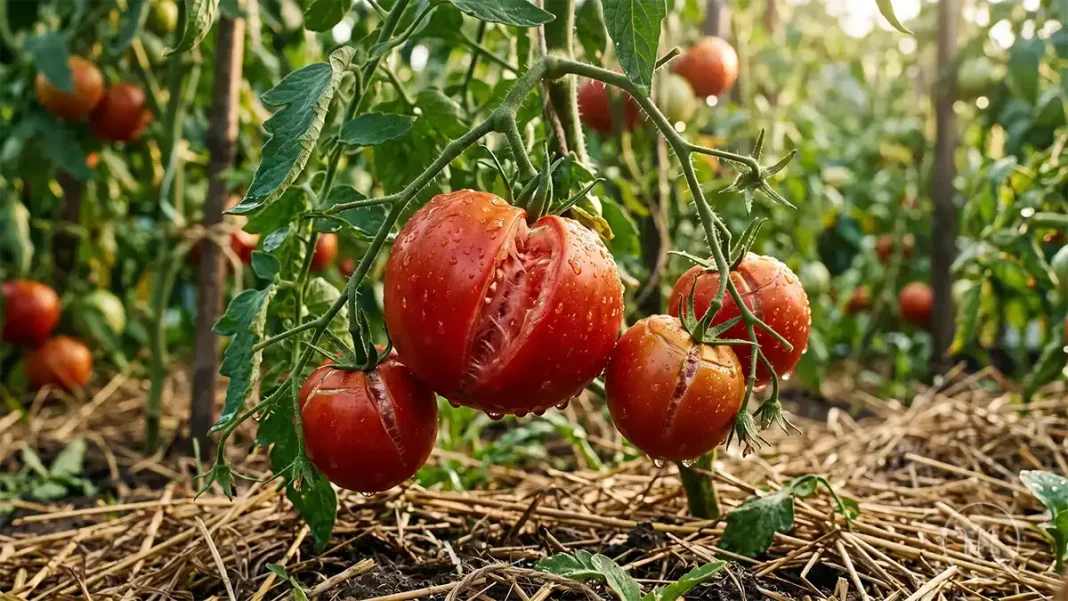
- • Why water imbalances cause tomatoes to split open: how mulching shields delicate skin from sudden moisture surges.
- • The impact of extreme summer heat on fruit density: a clever shading trick that brings temperatures back down to a comfortable 71–77°F.
- • The hidden danger of heavy pruning: why aggressive defoliation triggers severe plant stress and massive splitting.
- • Proactive defense against whiteflies and mole crickets: proven organic solutions to save your root systems and juicy harvest.
Read in another language:
Many of us pour incredible amounts of energy, time, and care into growing a flawless vegetable patch. It feels like everything is going exactly to plan: your seedlings survived transplant shock, the plants are covered in blossoms, and healthy fruits are finally filling out nicely. But right when you think you’re in the clear, you might face a devastating setback: your gorgeous, homegrown tomatoes start splitting open right on the vine. These deep, painful cracks are an open invitation for nasty fungal infections and bacterial rots, turning a prize-winning harvest into a mushy, ruined mess in record time.
Sounds familiar? Don’t panic just yet! Experienced growers agree that you can still turn things around and save your hard work from total ruin. All it takes is a quick pivot in your daily routine to fix a few hidden slip-ups. Let’s break down the common garden care mistakes that trigger this nightmare and how to bring your tomato beds back to vibrant health, reports MODISTA.
Simple Gardening Mistakes Ruining Your Harvest
Fixing Your Watering Schedule
The absolute biggest culprit behind split tomatoes is a roller-coaster ride of soil moisture levels. Think about it: if you neglect your garden during a dry spell, the ground turns bone-dry. When you finally notice and try to make up for it with a massive, heavy soaking, the plant drinks up the water way too fast. That sudden hydro-static surge goes straight to the fruit. A tomato’s tender skin simply can’t stretch quickly enough to handle that intense internal pressure, so it bursts.
Here’s the thing: you can’t let your soil turn into a parched desert. To maintain a perfectly steady balance, put down a thick blanket of organic mulch like straw, grass clippings, or wood shavings. If you really want to take the guesswork out of it, set up a simple drip irrigation system to keep moisture levels beautifully consistent.
Підписуйтесь, щоб не пропустити нічого цікавого! | Follow us so you don't miss anything interesting! | Subskrybuj, aby nie przegapić niczego ciekawego!
Managing Extreme Summer Heat
For pristine development, tomatoes are happiest when temperatures hover between 71°F and 77°F. The moment a scorching summer heatwave hits, the plant’s natural growth grindingly stalls. Under the blistering sun, the skin of the tomato begins to harden and toughen up. But as soon as the weather cools back down to its sweet spot, the fruit tries to balloon in size again, cracking along its taut seams almost instantly.
It actually works: you need to give your plants some relief during peak afternoon hours. Keep greenhouses well-ventilated with continuous cross-breezes, apply a temporary shade cloth over your beds, or use a light white row cover to block the harsh rays. Plus, that mulch we mentioned will do wonders to prevent your root systems from overheating.
Step-by-Step Pruning: Don’t Strip Vines Bare
It’s a popular theory that hacking away excess foliage redirects vital nutrients straight to your developing crop. However, taking off too many leaves all at once is a fast track to disaster. Pruning must be done mindfully and gradually—aim for just two or three leaves a week, working your way up from the bottom of the plant. If you strip the vine bare overnight, it throws the plant into a massive state of shock. Water that would normally be distributed throughout a lush canopy gets slammed directly into the fruit, causing it to split wide open from the sudden pressure.
Balancing Your Fertilizer
Overfeeding your soil acts as an aggressive stimulant, forcing a violent growth spurt that the tomato’s outer skin just can’t accommodate. Stick to your feeding schedule religiously, never exceed the recommended doses, and don’t overdo the complex mixtures. Keep this golden rule in mind: avoid high-nitrogen fertilizers entirely in the late summer. They only encourage excessive leafy growth while softening the fruit’s cellular walls, making them highly susceptible to damage.
A Quick Heads-Up: Certain heirloom and large pink varieties are genetically predisposed to thin skin and easy splitting. You’ll want to treat these delicate plants with an extra dose of TLC.
If you already spot cracked tomatoes on your vines, harvest them immediately. As long as the split is fresh and there are no signs of mold or rot, they are perfectly safe to eat! Toss them into fresh summer salads or use them right away for homemade pasta sauces, purees, or fresh tomato juice.
How to Protect Your Tomatoes from Destructive Pests
Beyond environmental stress, your precious garden face constant threats from hungry insects. If you want to actually enjoy the fruits of your labor rather than leaving them to the bugs, you need an aggressive defense strategy.
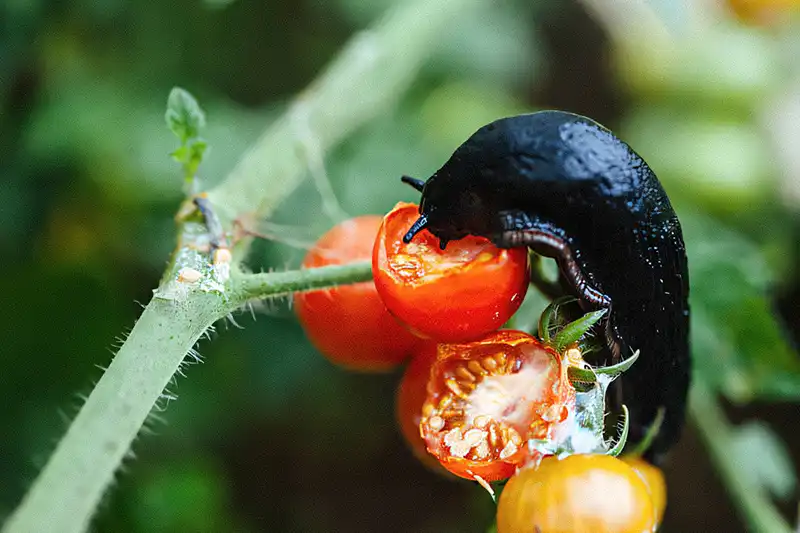
- Slugs. These voracious nighttime intruders love to munch on both fresh green leaves and ripening fruit. Create a simple, eco-friendly barrier by scattering wood ash, dry tobacco dust, or crushed eggshells around the base of your plants to stop them in their tracks.
- Whiteflies. These tiny pests colonize the undersides of your leaves, sucking the life out of the plant until the canopy turns a sickly, pale yellow. Knock them out by spraying your plants with a concentrated organic garlic wash or a diluted neem oil solution.
- Mole Crickets. A nightmare for root systems, these subterranean monsters chew through underground tissue and can kill an entire mature plant in days. Drive them away by pouring a mixture of water, spicy cayenne pepper, and a drop of dish soap directly into their visible tunnels.
- Wireworms. These pests can wreak absolute havoc, tunneling directly into the central stems and destroying the plant from the inside out. The best prevention happens in the fall: regularly amend your soil with lime or dolomite powder to raise the pH, since wireworms thrive in highly acidic environments.
- Spider Mites. You’ll spot their presence by fine webbing and tiny white speckles on the leaves. Get rid of them with a thorough spraying of a natural dandelion and crushed garlic steep, adding a bit of liquid castile soap so it sticks to the leaves.
My Opinion:
When I first dealt with a massive wave of cracking tomatoes in my own garden, my knee-jerk reaction was to drench them with water, assuming they were just thirsty in the heat. Big mistake. That frantic watering completely ruined the remaining crop, leaving me with split, rotting fruit. It wasn’t until I laid down a thick layer of clean straw and stopped watering in the middle of scorching hot days that everything stabilized. Trust me, patience and mulch are the ultimate secrets to keeping your tomatoes looking glossy and perfect.
Advice from MODISTA
- Always test your soil with your finger a few inches below the surface before grabbing the watering can; surface dryness can be incredibly deceiving.
- Only use sun-warmed, ambient water for your garden; icy water straight from a deep well sends a shockwave through sensitive root systems.
- Apply preventative organic garlic or soap sprays every two weeks instead of waiting for a full-blown pest infestation to take over.
Have you noticed how sudden weather shifts alter your vegetable patch? Don’t forget to bookmark this guide so you always have these organic pest-control remedies right at your fingertips!
MODISTA Daily MODISTA Daily MODISTA Daily
ℹ️ REFERENCE
The garden tomato (Solanum lycopersicum) ranks among the most widely cultivated crops globally, requiring meticulous management of soil moisture and calcium levels to prevent physiological fruit disorders. For comprehensive scientific guidelines on nightshade crop management and disease control, explore the detailed documentation on Wikipedia 🌐.