



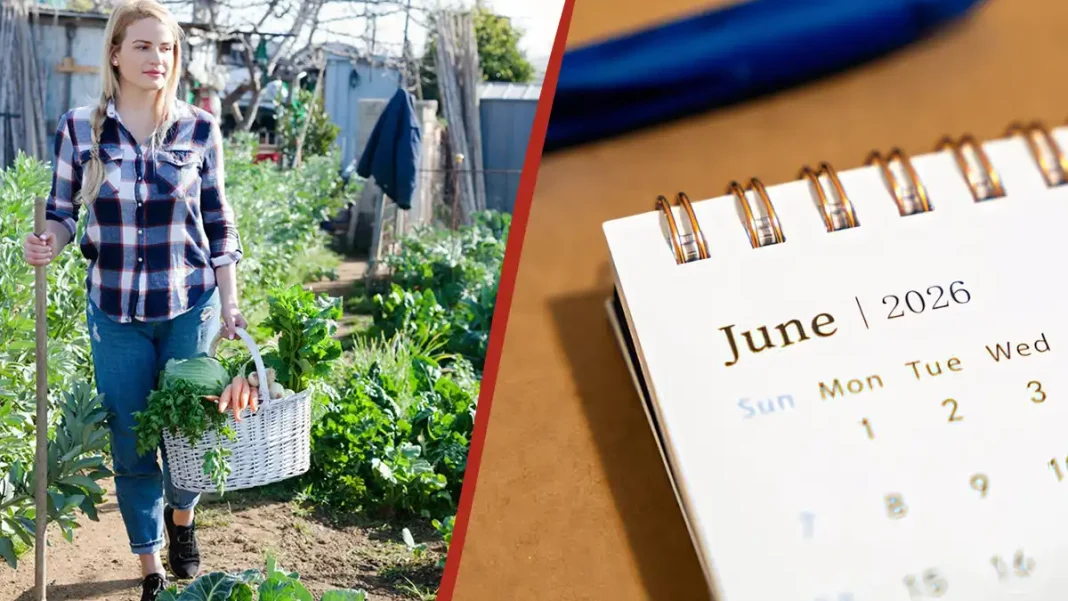
- • The secret behind massive yields lies in matching your planting schedule with lunar cycles.
- • A breakdown of the exact dates that are perfect for rooting seedlings and sowing summer crops.
- • When to drop your tools entirely to keep from ruining your future sprouts.
- • The ultimate list of crops that will give you a stunning second harvest early in the season.
Read in another language:
June is easily one of the busiest months of the year for gardeners. The soil is beautifully warm, the threat of spring frost is long gone, and plants are kicking into high gear, reports MODISTA.
Right now, it is all about successional sowing, getting those heat-loving varieties into the ground, and tackling essential summer maintenance. To lock in a heavy, reliable harvest, plenty of experienced growers look beyond the weather app and sync their routine with the lunar planting calendar. It is a simple way to figure out exactly when crops will take root faster and grow stronger.
Throughout June 2026, the Moon will move through its standard phases, each bringing its own rulebook for your backyard plot. By lining up your to-do list with these cosmic rhythms, you can make working the soil a whole lot easier.
- The Waning Moon (June 1–14) — This window is prime time for root vegetables like carrots, beets, and radishes. It is also the ultimate phase for soil maintenance, pruning, and aggressive weeding.
- The New Moon (June 15) — A brief period of absolute rest. You will want to pause all planting projects today and let both the soil and your plants take a breather.
- The Waxing Moon (June 16–29) — The ultimate growth phase. This is your green light to plant anything that yields above-ground crops, including cucumbers, zucchini, fresh leafy greens, and beans.
- The Full Moon (June 30) — Nature hits peak energy, but it is not ideal for planting. It is best to skip the sowing today and stick to basic, minimal garden upkeep.
Tuning into these phases lets you organize your garden chores effortlessly while boosting your chances of an incredible harvest. Sounds familiar? It actually works.
Підписуйтесь, щоб не пропустити нічого цікавого! | Follow us so you don't miss anything interesting! | Subskrybuj, aby nie przegapić niczego ciekawego!
The Best Days for Planting in June 2026
Based on the lunar cycle, there are specific windows in June where plants anchor themselves better and grow noticeably faster. If you arrange your routine around these natural shifts, even struggling seedlings will bounce back in no time.
Your ultimate green-light days: June 1–4, 7–8, 12–13, 17, and 22–29.
Mark these dates for your major sowing projects, moving seedlings into open beds, and getting tender summer vegetables situated. Crops established during these windows show excellent resilience against typical pests and diseases.
Days to Avoid Major Garden Projects
On the flip side, June also has a few dates where you should definitely put down the seed packets. Even high-grade seeds can struggle to sprout or end up rotting in the ground if sown during these low-energy dips.
The no-go windows: June 5–6, 14–16, and 30.
Keep things low-key during these stretches. Focus on regular watering, light soil aeration, clearing out stubborn weeds, or mapping out new beds. I have noticed a common mistake where people try to rush out and sow fresh greens during a Full Moon, only to wonder why the patch looks patchy later on.
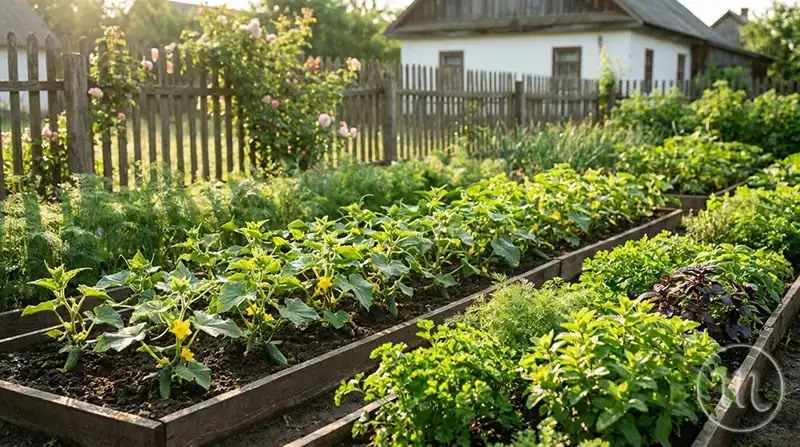
What to Plant This Month for a Second Harvest
The arrival of early summer means you can easily start a second wave of crops, filling in the empty spaces left behind by early radishes and spring salads. On high-success days, load up your beds with:
- Summer Vegetables — Cucumbers, zucchini, pumpkins, squash, and melons thrive in the summer heat, making them perfect candidates for June sowing.
- Root Crops — Carrots, beets, radishes, turnips, and parsnips are great for successional planting now, setting you up for a massive autumn harvest that stores well through winter.
- Leafy Greens & Fresh Herbs — Dill, parsley, arugula, spinach, cilantro, loose-leaf lettuce, and basil grow rapidly and will give you a steady supply of fresh flavors.
- Beans & Corn — Bush beans, peas, chickpeas, and sweet corn can go right into the ground now for a full, productive summer lifecycle.
- Companion Flowers — Marigolds, zinnias, asters, and nasturtiums do double duty: they make the garden look stunning and naturally deter pests with their aromatic essential oils.
- Cover Crops — Mustard, phacelia, and oats are perfect for rejuvenating tired soil and rebuilding its structure after you clear out early spring varieties.
Essential Summer Maintenance Tasks
Sowing seeds is only half the battle. June requires focus and a solid maintenance game to keep the whole plot thriving. Boom! Summer is officially here, and things move fast.
Make sure you stay on top of these crucial routines:
- Deep, consistent watering, especially during intense, dry spells;
- Applying organic or mineral fertilizers to heavy feeders during their peak growth spurts;
- Pruning, staking, and properly securing tall varieties before they get unmanageable;
- Staying proactive with organic pest control and checking for early signs of disease;
- Spreading a thick layer of mulch between rows to lock in moisture and cool the soil.
Advice from MODISTA
- Save your grass clippings and use them to mulch around your cucumbers and tomatoes—it stops the soil from baking and keeps moisture where it belongs.
- When putting down successional greens in the heat of June, give the seeds some light shade so the harsh midday sun doesn’t scorch the delicate new sprouts.
- Always feed your plants on overcast days or late in the evening to completely avoid leaf burn from strong sunlight.
Have you noticed how much faster your seeds pop up when you match them to the lunar cycles? Go ahead and bookmark this detailed guide so you have the best summer planting dates right at your fingertips!
ℹ️ REFERENCE
The lunar sowing calendar tracks the synodic period of the Moon and its gravitational pull on moisture levels within soil and plants. For an in-depth scientific breakdown of how our lunar satellite impacts the earth’s biosphere and living organisms, explore the comprehensive resources available on Wikipedia. 🌐