



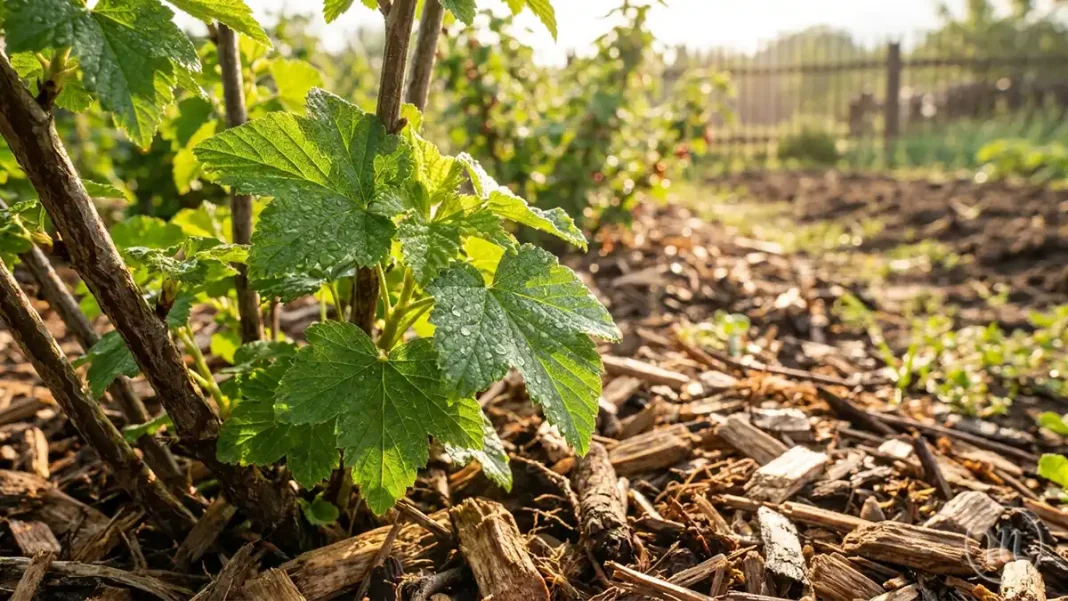
- • The secret to using natural wood ash to boost the sugar levels in your berries.
- • Why using the wrong organic fertilizer can fry roots and completely kill off blossoms.
- • How potassium can save your fruit set during sudden spring frost snaps.
- • The clever trick behind foliar spraying with boric acid during the budding stage.
Read in another language:
Spring care for your berry patches is absolutely crucial. This popular garden staple wakes up from its winter slumber much earlier than most other plants. During this early window, the plant actively sets its future harvest. That means choosing the right nutrients at the right time directly dictates not just the quantity, but the sheer size of your future fruit. A balanced spring feeding schedule determines whether your berries will be bursting with sweet juice, growing plump and firm, or remaining tiny, sour, and unappealing, reports MODISTA.
To turn ordinary shrubs into a bountiful source of vitamin-rich fruit, experienced gardeners rely on a comprehensive approach, blending mineral and organic components. Each method plays a unique role at specific stages of the growing season. Sounds familiar? Plenty of gardeners make the same mistakes year after year, but the right feeding strategy can completely flip the script.
Organic and Mineral Elixirs for Maximum Plumpness
Natural wood ash is widely considered the perfect remedy for boosting growth and enhancing the flavor profile of your berries. It’s one of nature’s richest sources of potassium, phosphorus, and a whole complex of trace elements that directly influence juiciness. To get noticeable results, I just evenly scatter one cup of dry ash around the base of each bush, lightly scratch it into the soil with a cultivator, and always follow up with a generous watering. Beyond feeding the plant vital macronutrients, this garden staple helps gently lower soil acidity, creating the ultimate environment for root development.
Relying on fully matured compost or high-quality humus guarantees a slow, steady release of nutrients over time. Layering half a bucket of this mature organic material under each adult plant doesn’t just feed the roots nitrogen — it significantly improves soil structure, leaving it loose, airy, and moisture-retentive. Boom! But there’s a major warning I always tell fellow gardeners to keep in mind: you can only use fully decomposed material. Fresh manure can cause serious damage, sparking a massive explosion of green foliage while stealing the vital energy needed to form fruit clusters.
Підписуйтесь, щоб не пропустити нічого цікавого! | Follow us so you don't miss anything interesting! | Subskrybuj, aby nie przegapić niczego ciekawego!
Weather Protection and Budding Boosters
During unpredictable spring weather, when sudden heavy rains or chilly nights threaten to make your blossoms drop, potassium sulfate is my absolute lifesaver. Working about 20 to 30 grams of this mineral fertilizer into well-moistened soil helps build up the plant’s immunity, locking in the fruit set and saving your future harvest. Potassium compounds ensure the berries plump up much faster, developing a firm texture and a distinctly sweet flavor. It actually works, shielding your bushes from environmental stress factors.
For a powerful and eco-friendly biostimulant, I love using a fresh nettle infusion. When young shoots are growing rapidly, a 1:10 diluted root drench gives the bushes a massive energy boost without the risk of chemical overload. It’s a gentle, natural source of nitrogen, but my top tip is to only apply it before the first blossoms open so you don’t accidentally delay fruiting.
Once the budding stage hits, foliar feeding with boric acid is a game-changer. Spraying the leaves with a weak solution — mixed at a ratio of 5 grams of powder to 10 liters of clean water — dramatically boosts pollination and encourages a record number of berries on every single cluster. Here’s the thing: to avoid nasty sunburns on delicate leaves, make sure to do this in the evening or on a cloudy, dry day.
Bonus Gardening Hacks for Flawless Results
Aside from timely feeding, the general growing environment plays a huge role in the final quality of your harvest. In the spring, sanitary and formative pruning is a must. Clearing out old branches ensures excellent airflow and lets sunlight reach every developing berry cluster, which is the ultimate secret to high sugar content.
Consistent watering is another critical piece of the puzzle, especially if spring is on the dry side. Berry bushes crave moisture most during blooming and the early stages of fruit formation. To prevent precious water from evaporating and to give the roots maximum benefit, layer a thick blanket of peat or straw mulch around the base of the plants. This simple trick keeps the soil cool and hydrated, even when the days heat up.
My opinion:
Spring garden care isn’t just a list of chores; it’s a special dialogue with nature. When we feed the earth with care and timing, the bushes reward us with a lush, sweet harvest. The effort always comes back to you in spades. Embrace this beautiful rhythm of renewal.
Advice from MODISTA
- Combine a root application of wood ash with an evening boric acid foliar spray to simultaneously nourish roots and maximize blossom pollination.
- Always check how decomposed your compost is: it should have a rich, earthy forest scent and a uniform texture with no traces of fresh manure.
- Never skip mulching after watering — currants have a shallow root system that can dry out in seconds under the spring sun.
Have you ever tried using wood ash to feed the berry bushes in your garden, and how did it change the sweetness of your fruit? Share this helpful guide with your fellow gardeners or bookmark it so you don’t lose these tried-and-true fertilizer ratios before the season starts!
MODISTA Daily MODISTA Daily MODISTA Daily
ℹ️ REFERENCE
The primary source of information for this guide comes from long-standing recommendations by expert agronomists and specialized gardening publications that detail the vegetative processes of fruit and berry crops. Additional details regarding the biological characteristics, care guidelines, and classification of shrubs in the currant family can be found on Wikipedia 🌐.