



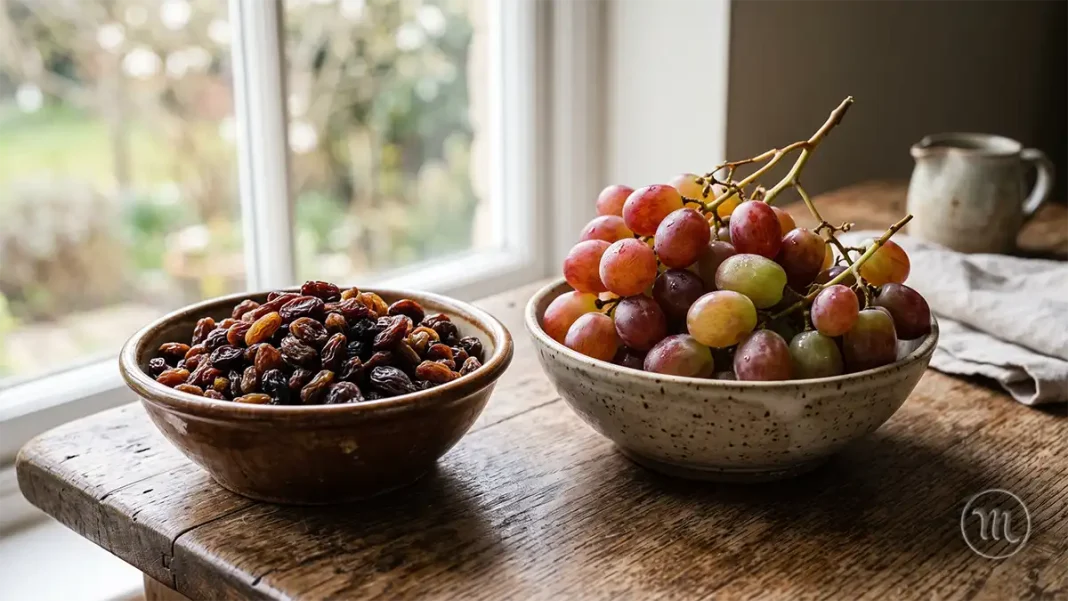
- • The texture secret: sweet seedless varieties yield a soft bite for baking, while seeded grapes pack a punch in broths and compotes.
- • The dry prep rule: when using dry-dehydration techniques, never wash the fruit with water to keep its natural coating intact.
- • The oven shortcut: evaporate moisture at 150°F (70°C) with the door cracked, flipping the baking sheet regularly.
- • Triple the power: drying fruit boosts antioxidant and potassium levels threefold compared to fresh grapes.
Read in another language:
The first time I tried drying a bunch of fresh fruit on a sheet pan, I expected picture-perfect results. Instead, I got shriveled, rock-hard pebbles. That’s when I realized that turning juicy grapes into soft, sweet homemade raisins is a real science with its own hidden tricks. Most people don’t think about it, but dried grapes hold plenty of secrets, starting with moisture evaporation. We’ve previously covered bizarre food trends of the past that shock modern foodies, so let’s ditch the boring textbook theory and dive into how this process actually works in your kitchen.
How Grapes Turn Into Raisins
To get a real treat rather than sour rubber, the basic rule is simple: pick the sweetest clusters with high sugar content. The original fruit color dictates the final shade of your dried fruit. Grab a green or white variety, and you’ll end up with golden-light raisins. Red and dark grapes give a rich, almost dark brown color.
Then comes the eternal debate about seeds. I’ve tried drying both ways. Going seedless is pure bliss for home baking because the fruit stays soft, tender, and won’t crunch in your teeth when you bite into muffins or bread. If you dry seeded grapes, those tiny hard bits will crunch. Not ideal, right? However, for brewing rich drinks or compotes, seeded varieties offer a deep, delightfully complex flavor.
Now, let’s talk about the biggest mistake beginners make: washing. You can prep fruit two ways: wet or dry. If you choose the dry method, forget water! Washing the cluster beforehand is a big no. Carefully pluck each grape, toss any spoiled bits, and remove stems or debris. Water only slows down dehydration and invites mold.
Підписуйтесь, щоб не пропустити нічого цікавого! | Follow us so you don't miss anything interesting! | Subskrybuj, aby nie przegapić niczego ciekawego!
If you don’t own a fancy dehydrator, a standard oven saves the day. Turn it to 150°F (70°C). Line a sheet pan with parchment paper, laying the fruit out so they aren’t piled up. Pop the pan in and leave the door cracked just a tiny sliver to let steam escape. Don’t forget to shift the pan or flip the fruit every 10–15 minutes, or they’ll scorch on one side. The whole process doesn’t take long once the temperature stabilizes.
Why Raisins Pack More Benefits Than Grapes
Fresh fruit is delicious, but the dried version blows it away in biochemical density. For instance, dried grapes contain three times more antioxidants than fresh ones. These compounds act like a shield, helping your cells recover from stress and fatigue. It’s like a concentrated energy shot packed into a tiny snack.
Let’s break down what you actually get with every handful of this sweet treat:
- A high amount of dietary fiber keeps a sluggish digestive tract moving smoothly.
- A solid supply of iron provides great support when fighting fatigue and low energy.
- A massive dose of B vitamins (B1, B2, B5) along with magnesium helps calm stressed nerves.
- Potassium supports kidney function, drains excess fluid, and restores a healthy glow to your skin.
- Key trace minerals stimulate hemoglobin production and give a powerful boost to your immune system.
- Dried fruit gently cleanses blood vessels and supports heart health during heavy workouts.
Alright, we’ve covered the nutrient perks. The main thing is not to overdo it, as the natural sugar adds up quickly. A small handful a day is all it takes to reap the rewards.
If you love exploring fascinating nature facts, check out whether color truly matters to hummingbirds when they search for food.
MY OPINION:
When I tried dehydrating my first batch in a home oven, I accidentally shut the door tight and ended up with mush instead of chewy dried fruit. My experience proved that a cracked oven door and picking sweet seedless grapes guarantee 90% of your success.
Advice from MODISTA
- Select fully ripe, sweet fruit with zero signs of damage or decay.
- Keep the oven door cracked open during dehydration to let moisture escape freely.
- Store the finished snack in airtight glass jars in a cool, dark pantry.
Have you ever tried making your own raisins in the oven or a dehydrator, or do you prefer buying store-bought snacks? Share your experience in the comments or save this guide to your social feed so you don’t lose this handy kitchen trick!
ℹ️ REFERENCE
Dehydrated grapes (raisins) have been cherished since ancient times as one of the most popular and nutritious dried fruits in global cuisine. The drying process preserves essential vitamins and minerals, concentrating them per unit of weight through water evaporation. You can explore more about the history and varieties of this snack on Wikipedia 🌐.