



- • Why pushing sofas flush against walls ruins your cozy vibe and leaves a dead, empty zone in the center.
- • The unexpected perks of “floating furniture”—and how pulling pieces away from the perimeter creates the ultimate conversation setup.
- • When a traditional layout actually makes sense for your home’s unique layout.
- • A simple, step-by-step guide to test-driving this fresh living room design layout in your own space today.
Read in another language:
When it comes to arranging a home, most of us fall back on total subconscious autopilot. Our ultimate default move? Pushing every single piece of heavy furniture right up against the walls. On paper, the logic feels completely foolproof. Maximizing that open floor space in the center should theoretically open up the room, ease up traffic flow, and leave plenty of square footage for extra accent chairs or decor. It’s the intuitive furniture arrangement shortcut deployed in almost every standard apartment, reports MODISTA.
But Louis Lin, a visionary interior designer at the forefront of the Next Wave movement, is ready to officially retire this outdated rule. According to him, real-world living room design proves the exact opposite happens. When your seating is strictly banished to the perimeter, the heart of the room is left entirely vacant, unfinished, and totally lacking a cohesive focal point. Even worse, it stretches the distance between guests, creating an awkward, cold void that absolutely kills intimate conversation. He isn’t saying you should completely fear walls, but he insists that true layout success hinges on a room’s architecture, purpose, and visual weight. In most spaces, a slight shift toward the center makes your apartment arrangement feel infinitely more inviting, balanced, and functional.
The Game-Changing Benefits of “Floating Furniture”
No matter your architectural setup, there are so many brilliant reasons to pull your interior pieces away from the walls. It completely redefines your home ergonomics, boosts natural airflow, and instantly elevates the entire aesthetic feel of the space.
For starters, shifting your main lounge setup inward builds an incredibly intimate, cozy atmosphere. Louis Lin notes that when armchairs and sofas face one another toward the center, the living room design naturally brings people together rather than scattering them into far-off corners. Think of it as a modern, clever take on the classic conversation pits that used to rule retro design—just entirely mobile and zero renovation required.
Підписуйтесь, щоб не пропустити нічого цікавого! | Follow us so you don't miss anything interesting! | Subskrybuj, aby nie przegapić niczego ciekawego!
It is also the ultimate trick for open-concept layouts. While the extreme studio-apartment hype might be cooling down among design purists, millions of us still navigate large, combined rooms. These expansive areas can easily feel echoing and uninviting. Ditching the wall-hugging layout allows you to effortlessly zone the square footage into distinct, functional hubs: a cozy lounge area here, a dining spot there, and a sleek workspace just a few feet away.
Plus, a floating layout completely unlocks your creative thinking. Shifting things around forces homeowners to look at every square foot with fresh eyes. A standard sunroom or glazed veranda can seamlessly morph into a multifunctional oasis featuring a chic game table, a compact home bar, or a dedicated reading nook. The design boundaries vanish the second you stop lining everything up like a strict military formation along your wallpaper.
Beyond the furniture itself, this design strategy frees up major real estate for gorgeous wall decor. Walls are your best free resource for showcasing statement art, styling custom built-in bookshelves, or layering complex lighting. Once you rescue those spaces from a bulky sofa back, the wall becomes a beautiful blank canvas that injects genuine depth and personality into the room.
Smoother Interaction and Better Traffic Flow
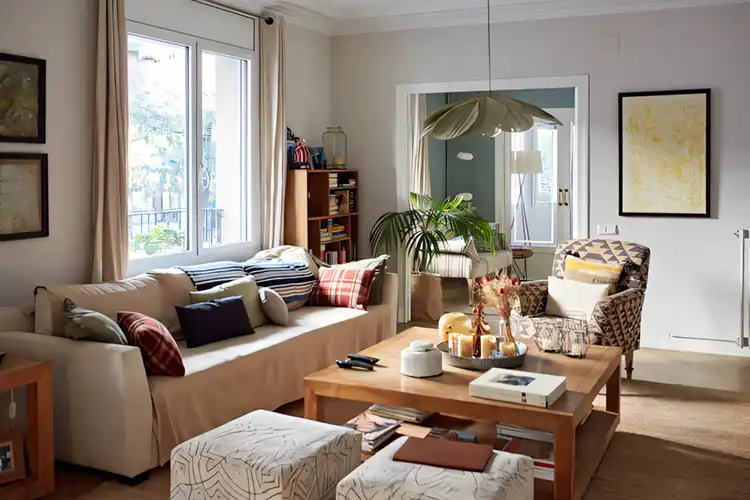
Floating your furniture isn’t just a clever visual illusion; it is a total upgrade for your daily traffic flow. By opening up entirely new pathways, you create a dynamic, energetic space. When your furniture arrangement has room to breathe, the whole space opens up, a sense of airy lightness takes over, and suddenly, your living room looks significantly larger than before.
Even better, this technique highlights the actual beauty of your furniture. Now, you can appreciate the gorgeous curve of an accent chair or the high-end upholstery texture on the back of your sofa. Your interior investments become full three-dimensional statements that you can walk around and admire from every angle. It makes hanging out feel so much closer—a friend can stroll up behind you to chat without forcing you to awkwardly twist around in your seat.
When Keeping Furniture Against the Wall Actually Wins
Despite the endless perks of modern interior design trends, certain rooms still demand a traditional layout. The bedroom is the ultimate example. A bed almost always needs the grounding support of a solid wall—not just for headboard stability, but because it satisfies a deep psychological need for security and calm while you sleep.
If you are dealing with an ultra-small apartment, a fragmented floor plan, or a super narrow layout, pushing pieces to the perimeter is often the smartest choice. In these tight quarters, keeping things in a clean line helps maintain a wide, clear path to move through the room without bumping into corners.
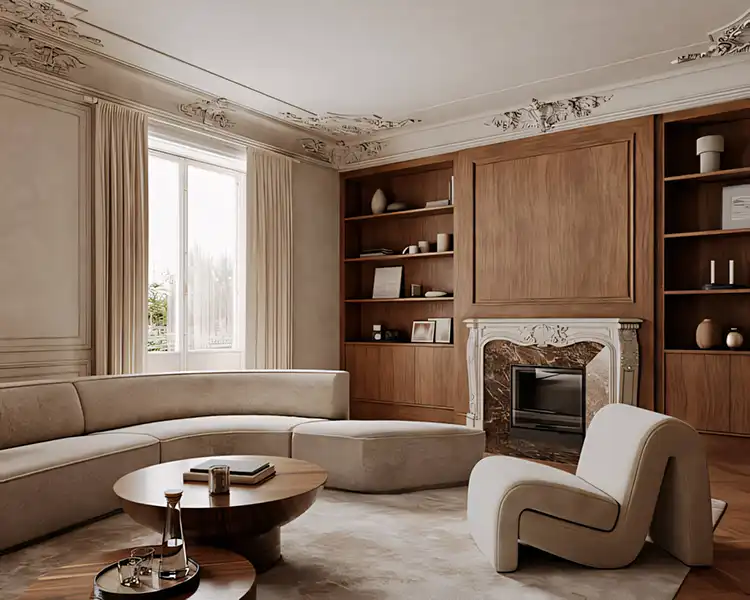
You should also avoid floating your furniture if the architecture already features a dominant, stunning focal point—like a gorgeous historic fireplace, a massive panoramic window, or floor-to-ceiling built-in shelves. Every design choice should be a custom solution for your specific home, not a copy-paste replica of a glossy magazine spread.
How to Test-Drive This Design Trend in Your Own Space
Before you go pulling a muscle moving heavy cabinets, take a second to look at your family’s daily habits and lifestyle. Map out where spontaneous chats happen, how people navigate between rooms, and where you naturally feel most relaxed. A great furniture arrangement should always feel effortless to live in.
If you’re feeling a little hesitant about a radical overhaul, start small. Try pulling your main sofa out just about 8 inches to a foot from the wall and live with it for a few days. You don’t need a sprawling, high-end living room to make this work. Even this tiny adjustment creates an incredible illusion of extra depth and instantly makes your lounge feel more tightly knit. People are always shocked by how much cozier and more sophisticated the room feels after this one simple switch. Great design isn’t about hoarding every single inch of floor space—it’s about maximizing your comfort, vibe, and emotional connection to your home.
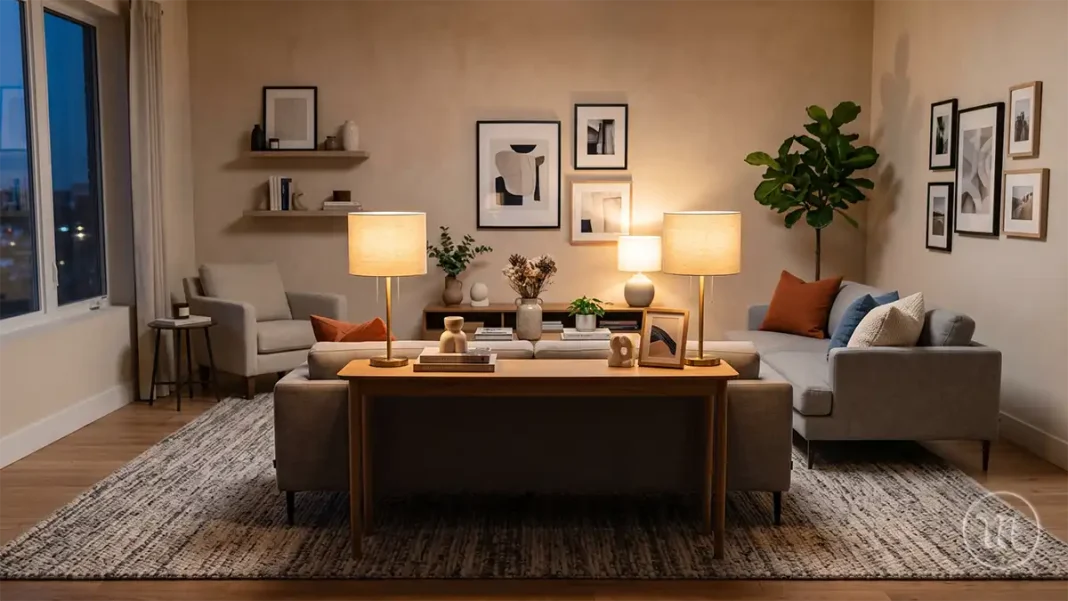
If your furniture looks a bit unmoored or awkward after the shift, it just means it hasn’t been properly “anchored” into the overall living room design. The pro fix here is to give the back of your seating a clear purpose. Slide a slim, elegant console table right behind a floating sofa, top it with a sleek floor lamp, tuck a tall indoor plant nearby, or lay down a large, plush area rug to tie the whole furniture arrangement together. By mixing table lamps, statement lighting, and layered rugs, you can easily create beautiful, distinct zones that turn a basic room into a masterclass in interior design.
My Opinion:
When I first tried pulling my bulky sectional away from the wall and into the center of my space, I was honestly terrified of losing precious walking room. But my personal experience completely changed my mind. The room instantly transformed from a boring, standard box into a chic, open studio vibe where it feels so much easier to breathe. I styled a narrow oak console with some beautiful lamps right behind it, and now that cozy little hub has become the absolute favorite spot for family reading nights.
Advice from MODISTA
- Don’t be afraid to experiment with your spacing—even a tiny 8-inch gap between the wall and your seating creates a beautiful, airy optical illusion.
- Always utilize large statement area rugs to ground your setup—they act as a visual anchor that holds your sofas and armchairs together perfectly.
- Check the backs of your pieces before buying if you’re planning a floating layout, ensuring the back panel is fully finished in high-quality matching fabric.
Have you ever tried pulling your furniture away from the walls, or do you still feel like it’s a total waste of good square footage? Share this article on your feed or bookmark it to keep this handy living room guide close by for your next layout refresh!
MODISTA Daily MODISTA Daily MODISTA Daily
ℹ️ REFERENCE
The iconic magazine House Beautiful, the original inspiration behind these brilliant layout insights, is one of the oldest and most respected American authorities on interior design, architecture, and home decor, publishing since 1896. Their expert editorial team collaborates with top-tier global architects and stylists to shape international interior design trends. 🌐