



- • Why a classic treat turns fatal: how cow’s milk triggers deadly digestive issues in adults due to unique biological traits.
- • The terrifying truth about fearless wildlife: why a total lack of fear toward humans is the primary symptom of an incurable virus.
- • Invisible bacteria riding on quills: the dangerous infections targeting the liver and kidneys that can be caught from a tiny, accidental scratch.
- • Debunking the backyard rescue myth: why attempting to shelter a woodland creature in a modern home is bound to end in tragedy.
Read in another language:
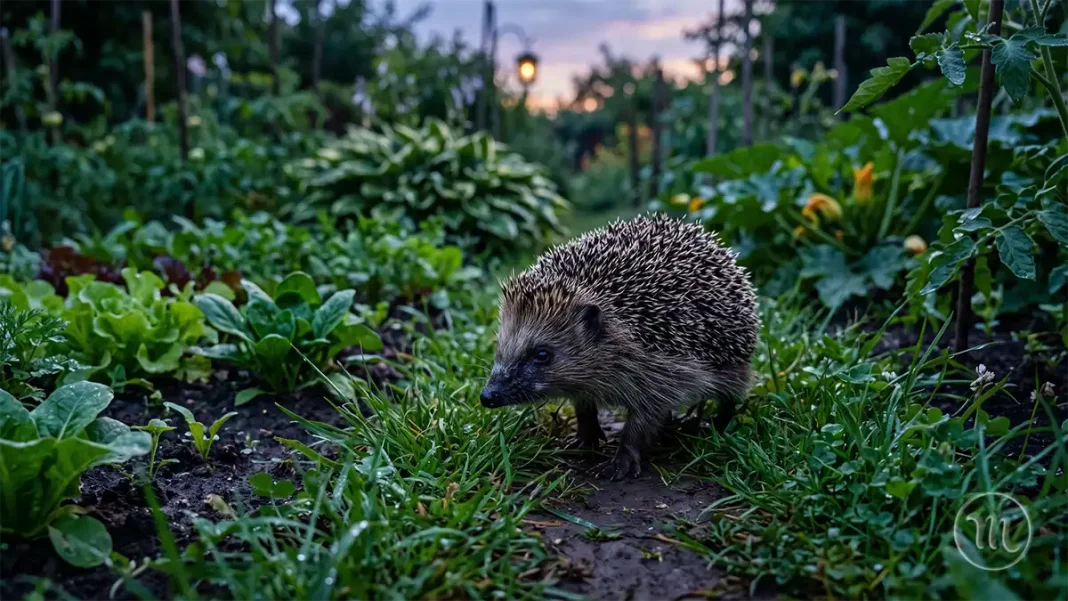
When a cute little spiky ball rolls onto your property, the immediate reaction for most homeowners is pure delight. Spotting wildlife in the garden always catches the eye of both kids and adults, sparking an instant urge to get a closer look, follow them around, or even pet them. Many consider this encounter a lucky charm, as these creatures are traditionally viewed as helpful helpers that clear out pests. But behind that adorable exterior lies a wild predator whose presence near your home is actually a major red flag, reports MODISTA.
Most folks don’t realize that woodland guests answer only to the laws of the wild. Any sudden shift in their behavior—especially a bold urge to wander right up to human doorsteps—stems from specific, underlying causes that are usually trouble. Instead of setting up a cozy sanctuary for the newcomer, it’s time to take a hard look at why this unexpected visit can quickly turn into a full-blown nightmare.
Why You Should Never Give Milk to Hedgehogs
One of the most stubborn myths out there, thanks to childhood cartoons, is that the ultimate treat for a spiky traveler is a saucer of fresh milk. But the reality is a world away from storybooks. The digestive systems of these woodland creatures are built completely differently than your household cats or dogs. Trying to feed a wild guest dairy products can have a tragic ending, as lactose intolerance is the absolute norm, not the exception, for adult animals.
As these insectivores mature, their bodies completely stop producing the specific enzyme needed to break down lactose. When an adult consumes dairy, it doesn’t digest; instead, it sits and ferments inside the gastrointestinal tract. This triggers severe toxic digestive distress, extreme dehydration, and ultimately leads to the animal’s death. If you have a genuine desire to help out, you’re much better off leaving out clean water or a bit of raw meat.
Підписуйтесь, щоб не пропустити нічого цікавого! | Follow us so you don't miss anything interesting! | Subskrybuj, aby nie przegapić niczego ciekawego!
The Biggest Threats: Rabies and Hidden Infections
When a wild animal loses its natural fear of humans, it’s the single most alarming symptom that your forest visitor might be carrying the rabies virus. Healthy wild critters typically steer clear of large beings, scurrying away or curling into a tight, protective ball when you approach. If one wanders right up to you, lets itself be handled, or actively seeks out contact, that’s a serious reason to worry. Rabies attacks the central nervous system, making behavior completely erratic and unpredictable.
On top of that, a massive amount of pathogenic microorganisms hitches a ride on their quills and teeth. Some of the most dangerous illnesses linked to them include:
- Leptospirosis — a nasty bacterial infection that can breach human defenses through a microscopic scratch from a quill, causing severe damage to the liver and kidneys.
- Tularemia — an acute illness that triggers intense fevers and painful, swollen lymph nodes.
- Salmonellosis — a brutal intestinal infection that leads to severe full-body toxicity.
The sneakiness of these diseases is that the first symptoms might not show up for weeks or even a month after the encounter, long after you’ve completely forgotten about that tiny scratch.
The Risk to Your Garden and Household Pets
Even if you avoid direct physical contact, the mere presence of wildlife in the garden leaves a negative mark behind. Like all mammals, these nocturnal hunters leave their droppings right in the middle of your vegetable patches, herb gardens, and berry bushes. Parasitic infections, parasite eggs, and hazardous bacteria seep straight into the soil, staying active for a long time and creating a quiet health hazard during harvest time.
Your beloved domestic pets—especially dogs and cats trying to defend their home turf from an intruder—face a real risk too. During a backyard scuffle, a dog can easily suffer nasty puncture wounds in its mouth. The infection can spread to your pet in an instant through the saliva or blood of the spiky attacker. That’s why wanting to safely usher an uninvited guest off your property as quickly as possible is the smartest move to protect your home environment.
Why Bringing Them Indoors Is a Recipe for Disaster
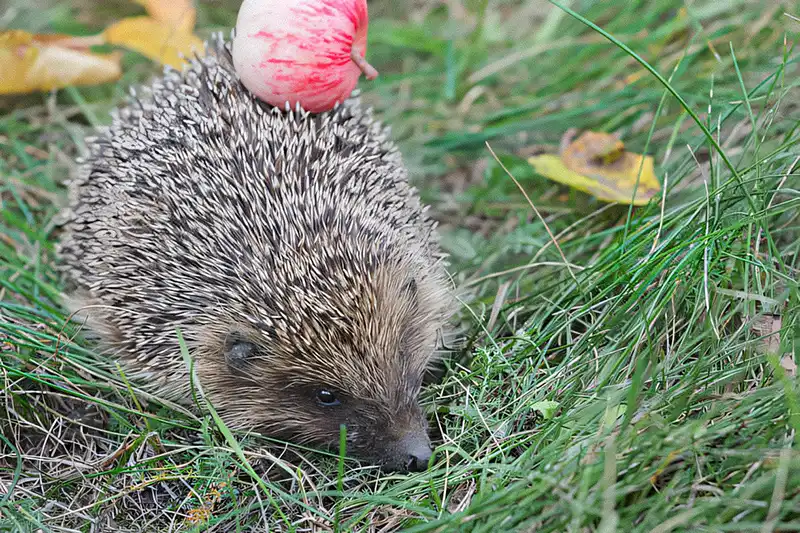
The impulse to turn a woodland creature into a quirky domestic pet often comes from a sweet place, but it almost always ends poorly. These animals are nocturnal predators that cannot be trained and will never see you as a master. Once the sun goes down, they become incredibly loud—stomping around, scratching at things, and acting aggressively as they try to find a way out. Being locked in a confined space puts them under immense, harmful stress.
Besides, a standard human home is entirely unnatural for them:
- Overly dry, heated indoor air ruins their skin and causes their quills to fall out.
- Skipping their natural winter hibernation completely wrecks their hormonal balance and drastically shortens their lifespan.
- The lack of their highly specific diet (bugs, larvae, snails) inevitably brings on severe vitamin deficiencies.
If you spot a little critter that genuinely seems to be in trouble or has visible injuries, the best option is to get in touch with the pros. Reaching out to a local wildlife rescue center ensures they get expert care without putting your own health on the line.
My Opinion:
When I first spotted this spiky visitor wandering near my strawberry beds, I also felt that strong urge to bring out some treats and snap a few cute photos. But experience has taught me that too much sentimentality when dealing with nature usually backfires. Trying to domesticate or feed these wild creatures disrupts their natural survival instincts and exposes us to genuine biological risks. I’ve learned firsthand that the best way to care for our forest neighbors is to keep a safe distance and simply let them live their lives in peace.
Advice from MODISTA
- Never handle wildlife with bare hands. If you absolutely must move an animal for its own safety, always wear thick, heavy-duty work gloves or wrap it in a thick blanket.
- Always thoroughly wash all vegetables, herbs, and berries harvested from your garden beds, as nocturnal visitors can leave behind invisible traces and dangerous microbes.
- If you happen to get even a minor bite or a tiny scratch from a forest guest, clean the wound immediately with an antiseptic and consult a healthcare professional to prevent serious infections.
Do these unexpected forest visitors drop by your property often, and how do you handle it? Be sure to bookmark this guide so you always have the rules for a safe, healthy relationship with local wildlife right at your fingertips!
MODISTA Daily MODISTA Daily MODISTA Daily
ℹ️ REFERENCE
Leptospirosis and tularemia are acute infectious diseases shared by both humans and animals, frequently carried by wild rodents and insectivorous mammals. The primary vectors for these infections within local ecosystems include open bodies of water, untreated woodlands, and residential plots that share borders with natural forests. For more detailed insights into symptoms, preventative measures, and epidemiological control strategies for managing these conditions, you can consult official public health platforms and Wikipedia. 🌐